Front Door Locksets and Handles
DEAR TIM: I'm getting ready to install a new front door. I went shopping for a fancy door knob and handle lockset. However, once in the store, I was overwhelmed and confused by the different types of locksets. Are there any clear cut advantages between the different types? If you don't mind my asking, what type do you have on your own home? S. J.
DEAR S. J.: It doesn't surprise me that you were confused by the different types of residential locksets that are currently available. Many of the locksets look identical or similar, however there are vast differences between them.
Residential locksets, for the most part, fall into two different classifications: mortise or cylindrical. The advantages and disadvantages of each type are rooted in the way each lockset is constructed and installed.
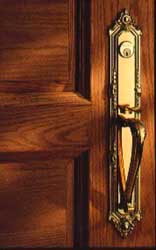
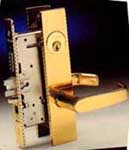
Mortise locksets derive their name from the mortise you must create in a door in order to install the lockset. A mortise is a deep cavity, usually rectangular, which is created in the edge of a door. The successful creation of this cavity can often only be achieved with specialized tools and skill. Once created, you can then install the lockset case which is filled with levers, cams, and springs.
One advantage of a mortise lockset is the ability to operate the door latch and the deadbolt by inserting a key into just one slot. By turning the key just 90 degrees past a full turn you can unlock both the latch and the deadbolt. Often, exterior mortise locksets have massive 1 inch throw deadbolt locks that are an integral part of the lockset. Newer models offer a special interior emergency release feature which allows you to operate the deadbolt and door latch simultaneously in the event of a fire or other emergency.
Highly polished solid brass knobs, backplates, thumblatches, etc. are common. It is even possible to obtain a lifetime guarantee on some polished brass finishes. These locksets, as you might imagine, can be quite expensive. Also, they require a significant investment in time to properly install. However, mortise locksets, in my opinion, offer the ultimate in security, design, and ruggedness.
Cylindrical locksets, on the other hand, offer ease of installation, wide selection of styles and finishes, and affordability. The cylindrical lockset gets its name from the actual shape of the lockset mechanism and the cylinder into which the key fits. The installation of this type of lockset is achieved by drilling two simple holes. A large hole is drilled on the face of the door for the lockset mechanism, while a smaller hole is drilled in the edge of the door for the latch. Often you can purchase doors with the holes pre-drilled.
You have a wide range of durability available when purchasing cylindrical locksets. These locksets frequently are available in three categories: residential, light commercial, and heavy duty, all of which can be installed in residential doors. Rarely, if ever, do these locksets have an integral deadbolt lock.
If you choose to install a standard cylindrical lockset and want a deadbolt lock as well, you often must drill two additional holes. Locking and unlocking these mechanisms requires that you insert the key into an additional key slot. What's worse, if you don't plan ahead and buy the same brand locks, you may have to use two different keys.

You can obtain high quality locksets either way you go. Personally, I have both. My front door features a classic solid brass thumblatch mortise lockset, while the other doors in my house have cylindrical locks. I am satisfied with the performance of both. Plus, one key operates all doors!

Tim built custom homes and did ultra-custom remodeling for 20+ years before launching his Ask the Builder media presence. He was selected as one of the Big 50 by Remodeling magazine in 1993. This award gave birth to Ask the Builder in October 1993. Tim also operates https://DrawPlumbingPlans.com. His @askthebuilder YouTube channel was the first home improvement channel on YouTube.
My brother recently purchased a short-sale home. The house he purchased didn't even have a lock on the front door. I didn't realize that there were two different types of locks that he could choose from and that each has different installation techniques. I'll let him know about this information because he's serious about using his handles as a decorative statement, but safety is also an important aspect.