A Walk Through Checklist Will Wake Up the Builder
DEAR TIM: My husband and I are building a new home. It is nearly finished but the builder seems to be ignoring many small details that are not finished to our satisfaction. We are concerned that there may be significant defects that we are unable to identify. How can we protect ourselves? What is the best way to list all imperfections and nudge the builder to fix them? Becky D., Dallas, TX
DEAR BECKY: What a common scenario! It seems that many builders lose interest in projects as they near completion. The challenge of the job has long faded. They want to move on to a new, refreshing project. In many instances the builder fails to return phone calls and ignores repeated requests to complete all of the punch list items. There are several ways to protect yourself and insure that one way or another the job will get done to your satisfaction.
Let's talk first about money. It is your only true leverage when dealing with a builder. If you pay the builder for work that is unsatisfactory or not complete, you have become a lender. You hope that he will repay the loan by completing the work. All too often the builder defaults on this loan and leaves you high and dry. If your builder vanishes and you have withheld enough money to cover the cost of all repairing all defects, you can hire another builder to finish the job.
The bank or savings and loan that holds the construction loan or mortgage is not necessarily going to look out for you when it comes to this matter. You need to ask them early in the loan process if there is a way that money can be withheld at the closing to cover the cost of work that is unfinished or of poor quality. This sum of money that is held back is often referred to as an escrow account. After the closing takes place and the builder completes the work to your satisfaction, the bank or savings and loan releases the last bit of money to the builder. Not all lending institutions offer this service so it is vital that you check into this when you apply for a construction loan.
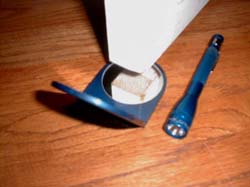
Approximately one week before the closing, you should schedule a walk-through inspection. This task should take you about 3 to 4 hours to complete. You need to inspect every square foot of the interior and exterior to locate defects, imperfections and things that don't work. You will need a flashlight, a small mirror, a detailed checklist, notepad and lots of patience. Proceed with a room-by-room inspection and note all imperfections. Operate every mechanical device, door, window, lock, appliance, faucet, etc.
It is very important to note the lack of cracks or defects in foundation walls, concrete surfaces, flooring, walls, ceilings, ceramic tile grout, caulking, etc. If a defect occurs in these areas after you have moved in, your inspection report will validate that the defect was not present at the time of the inspection. If there are indeed structural problems and the defect gets consistently worse, your written inspection report will be worth its weight in gold.
Don't try to do your own walk through inspection unless you are armed to the teeth with my 100% Satisfaction Guaranteed Walk Through Inspection Checklist!
Little things can cause big problems at a later date. For example, the tops and bottoms of all doors need to be painted or sealed to prevent warping and twisting. Your handy mirror will allow you to check these areas with ease. Listen as you perform the inspection. Do the floors squeak? Does the plumbing rattle when faucets are turned on or off?
Consider purchasing a copy of the building code that was in force at the time the house was built. Many items in the code are written so a lay person can understand them. The building inspector may not have the time to do as thorough an inspection as you may like. Check to make sure that the exterior grading, handrail heights, window glazing and mirrors all meet or exceed the building code. Do not close on your property unless all inspections are complete and a certificate of occupancy has been issued by the building department.
If you feel uncomfortable about overlooking defects during this inspection, it might be a great idea to hire a professional inspector. Many home inspectors belong to associations that require intensive training, written testing, and continuing education. These pros know exactly what to look for when inspecting a new home. Be sure the builder or his agent signs any walk through inspection checklist acknowledging the condition of the home at the time of the inspection walk through.
Column 277

Tim built custom homes and did ultra-custom remodeling for 20+ years before launching his Ask the Builder media presence. He was selected as one of the Big 50 by Remodeling magazine in 1993. This award gave birth to Ask the Builder in October 1993. Tim also operates https://DrawPlumbingPlans.com. His @askthebuilder YouTube channel was the first home improvement channel on YouTube.