Skylights and Skylight Leaks
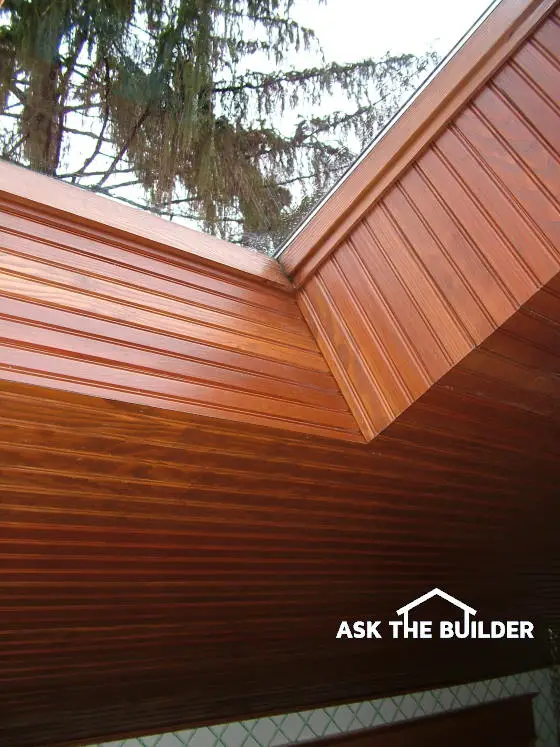
A leak in this skylight could quickly ruin the beautiful wood interior. The rain falling on this skylight stays outdoors because this skylight has a superb flashing system. PHOTO BY: Tim Carter
DEAR TIM: I have three skylights in my house. They don't seem to leak during rain or the summer months but during the winter I get a drip in the family room and bathroom. It is damaging the drywall. I'm not sure if it's from condensation, ice or an actual leak. Due to the locations on the roof, I don't feel safe doing the work myself. If I call a contractor what should I ask or be looking for? How do I know they can actually correct the problem? Should I call a roofer or other type of contractor? Bev A., Sylvania, OH
DEAR BEV: It sounds to me as if you have spent some time in my kitchen and in my wife Kathy's sunroom. The five skylights in those two rooms are awash in natural light each day, even on overcast days. One wall of the sunroom faces east. When the sun is out and streaming through the single east-facing skylight, you feel like you are in paradise with the plants and brilliant sunshine.
Are skylights a good idea?
I am a big fan of skylights for any number of reasons. I can clearly remember back in the 1970's when the plastic bubble skylights were the rage. I installed many and never had a problem with leaks from rain, ice or snow. But condensation was indeed the bane of these older-technology windows to the sky.
Those who installed them near kitchens, bathrooms or other rooms that had lots of live plants suffered as the invisible warm, humid air from these rooms floated up into the skylight tunnel. There the cool surface of the skylight caused the water vapor in the air to rapidly condense.
High-quality skylights that come from the factory with insulated glass as well as pre-engineered roof flashing systems are your best defense against leaks from external water sources as well as interior water vapor. But extreme exterior temperatures combined with abnormally high interior relative humidity can tax the limits of this technology. Even my skylights will drip when the exterior temperature drops below -10F .
How do I know if my skylight is leaking or condensation?
Based upon your description, I don't feel you have a true roof or flashing leak. If the skylight is dry during severe summer rainstorms that often create lots of wind-driven rain, then the flashing system must be doing its job. Ice damming can indeed defeat most flashings that were not installed over the top of ice-dam membranes. These pliable membranes are applied in direct contact with the roof deck and the sides of the exterior of the skylight before the flashings are installed. They create a fantastic barrier to ice dam water that backs up under shingles and flashings. However, if your skylight drips when there is no snow on the roof, I think it is safe to assume the source of the annoying water is condensation.
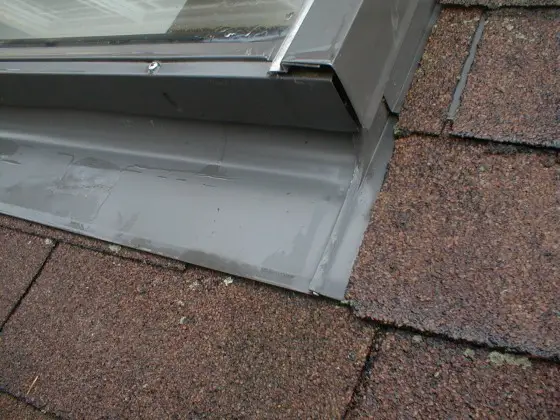
The problem may not be with the insulated glass. My instincts tell me the source of the water is quite possibly condensation that is forming on the underside of the metal flashings as warm, moist air from your house escapes around the rough opening that was created for the skylight. The resulting liquid water probably is running down the underside of the flashing much like water runs down the mirror in your steamy bathroom. But once at the bottom of the flashing system, it is finding a pathway back into your home.
How do you stop the condensation from leaking into the house?
I have solved similar leaks with a two-fold approach. The first step is to remove the flashing system on the exterior of the skylight so that an ice-dam membrane can be installed between the wood roof deck and the sides of the skylight. These membranes often are a combination of asphalt and rubber compounds and are very sticky. When carefully lapped and folded, the membranes completely block the pathways between the skylight and the rough framing of the roof. This ensures no water that gets past the flashing will run into your home.
The second step is slightly more painful because the drywall must be removed from the sides of the skylight tunnel all the way up to the underside of the skylight. Dust and debris is often created during this process and it can spread throughout your home. Once exposed, the gap between the rough framing lumber and the skylight can be carefully filled with a spray-urethane insulation.
Once the foam has cured, trim away any excess foam, extend a vapor retarder film over the sides of the skylight tunnel or roof framing and then bend this film over the foam-filled gap so the vapor retarder stops right at the finished edge of the drywall or finished wall material. This interior vapor retarder will stop or hinder the water vapor from working its way to the colder surfaces of the skylight where it can condense and cause chaos.
To do this work I would hire an experienced remodeling contractor. He will undoubtedly have as part of his team an experienced roofer and drywall repair person who will do a majority of the work. If the remodeler is good, he will know how to work with the urethane foam insulation.
CLICK or TAP HERE to get FREE QUOTES from local companies that can solve your skylight problems.
Never underestimate the sources of water vapor in your home. Large numbers of live plants can significantly contribute to elevated levels of indoor humidity as they transpire water from roots to the leaves. Cooking pasta and boiling water for just about any purpose liberates vast amounts of water into the air. Steamy baths and showers produce clouds of water vapor. Hanging wet laundry inside homes produces water vapor as well. Crawlspaces that do not have vapor retarders over the soil can also be condensation culprits.
Authors' Notes: After this column was posted to the website, I received an email from the owner of a company in Colorado that specializes in skylight repairs and installation. Here is part of the email:
"...... When asked where to search for a skylight repair person you failed to inform your patrons that the best choice is to look for a skylight specialists. These expert skylight repair technicians can be found in the yellow pages under Skylights ...."
Well, consider yourself informed. I always appreciate these nuggets of helpful information and encourage people to send them to me as often as possible.
Column 559

Tim built custom homes and did ultra-custom remodeling for 20+ years before launching his Ask the Builder media presence. He was selected as one of the Big 50 by Remodeling magazine in 1993. This award gave birth to Ask the Builder in October 1993. Tim also operates https://DrawPlumbingPlans.com. His @askthebuilder YouTube channel was the first home improvement channel on YouTube.
We live in Whitehorse, Yukon, Canada, and have skylight leakage problems when it warms up above freezing during winter. I think the leakage is because large ice dams form below our skylights. We had the roof replaced 18 months ago and we complained to the contractor last year that it still leaked; he replaced the ice dam membranes under warranty, but this winter, same thing, ice dams, and leakage during a winter chinook. What should we do? Is adding the spray foam insulation as you describe above, the solution? I really don't think condensation is the issue - leaks actually come through the ceiling below the kitchen skylight; no condensation is visible and there is no leakage/dripping during sub-zero C weather)? However, maybe more insulation would help minimize the ice dams...?
And I suppose we'll need to replace those membranes again?
Thanks!
I have exactly the same problem as Kate. I have leaks happening right now and can't afford a repair contractor. I just hope my wood finish is not damaged too much!
I have a VELUX fixed skylight installed over an almost enclosed shower in my motorhome. Most RVs only have a plastic dome there that becomes cloudy with very little age. Fun to be taking a shower and watching stars or clouds. 20" x 20" inside adding 8" additional headroom above the raised shower pan. Why aren't all RVs equipped with the VELUX