Brick House
DEAR TIM: I live in the Midwest and my daughter lives on the coast of the Florida panhandle. Her house is constructed with concrete block and it leaked like a sieve during last year's hurricanes. I am getting ready to build a new home and wonder what is the best type of exterior skin I can use to resist water, hail, and wind damage. Brick seems like a good idea, but the leaks my daughter experienced make me a little uncomfortable about building with masonry. What would you do? Ben P., Lafayette, IN
DEAR BEN: Millions of people that live east of the Rocky Mountains live in areas where wind storms and hurricanes can cause all sorts of problems. Water intrusion is but one of these problems. Hail damage, impact damage from blowing debris and house facades that are peeled back like an onion are some other common problems created by different weather events.
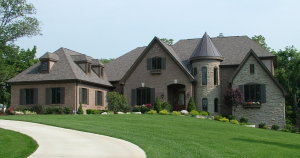
The brick on this house can take a terrible beating from wind and survive. PHOTO BY: Tim Carter
Masonry homes, if built correctly, suffer the least cumulative damage during windstorms of any other type of conventional residential home. The author of the Three Little Pigs fable no doubt had enough life experience to see that masonry stands the test of time. Many of the great wonders of the world such as the Great Pyramids are also made from masonry. Mother Nature will destroy all of these in time, but she really has to work hard to accomplish that goal.
Hurricanes are in the news now, but each year hundreds if not thousands of thunderstorms and vigorous northeasters affect just about every state of the USA east of the Continental Divide. The wind in these storms can blast all sorts of objects against the walls causing serious damage. I have seen photos of hail-damaged houses that moments before the storm had beautiful vinyl siding. Ten minutes later, the house looks like it was blasted with a giant shotgun, as there are hundreds of holes in the siding caused by the wind-driven hail.
The wind also creates havoc with the rain in these storms. Water is fairly heavy, even a drop of water. Thousands and thousands of drops of water traveling at 35, 60 or 100+ miles per hour crash into the sides of homes. Each successive drop of water drives the water from the previous drop that much farther into the wall. The process is not much different from that of a hammer driving a nail into a piece of wood.
This wind-driven water can absolutely pass through brick veneer walls and concrete block structures that are only one brick or block wide. The water commonly passes through the wall at the contact point between the mortar and the brick or block. The mortar joints may look as if they are waterproof, but believe me, water can and does pass through these joints, especially vertical mortar joints.
Older solid masonry buildings are pretty much immune to this water infiltration because the masonry walls are thicker and the weight of the structure bears down on the masonry. This extra thickness and weight minimizes the amount of water infiltration.
Brick veneer homes built today need special care and attention in order to keep the water from causing problems in the wall cavity behind the brick skin. Special flashings need to be installed at any and all horizontal breaks in the masonry. This includes, but is not limited to, the bottom course of brick where the brick rests on the foundation, above and below windows and doors, above brick that stops at one story and another exterior material continues up the building and chimney crowns.
The water that is captured by the flashings is then redirected to the exterior of the structure through regularly spaced weep holes that are wide open and free from clogs caused by excess mortar.
If you live in an area that has frequent windstorms, you might want to ask your insurance agent if a brick home has a lower annual premium. Insurance companies operate much like casinos. They bet each day that your home will not sustain damage and you are on the other side of the bet expecting payment when the damage happens.
Since the insurance companies employ very smart mathematicians who analyze data, they know brick homes fair well in most storms. These insurance company employees know that brick lowers the risk on the part of the insurance company, so they can pass that lowered risk on to you in the form of lowered annual premiums.
It might be a very smart thing to actually meet with a seasoned insurance agent and have this person advise you on other aspects of your new home. You might find it makes great financial sense to install things like fire sprinklers, wireless smoke detectors and other things that significantly lower the overall risk to the insurance company. The agent should be able to show you how each feature you add lowers your overall insurance cost.
Column 579

Tim built custom homes and did ultra-custom remodeling for 20+ years before launching his Ask the Builder media presence. He was selected as one of the Big 50 by Remodeling magazine in 1993. This award gave birth to Ask the Builder in October 1993. Tim also operates https://DrawPlumbingPlans.com. His @askthebuilder YouTube channel was the first home improvement channel on YouTube.