Painting Vinyl Shutters
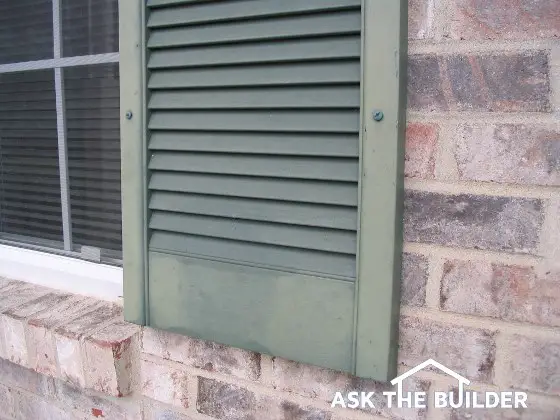
Painting Vinyl Shutters | These faded green shutters can be made to look just like new with soap, water, and some urethane resin paint.
DEAR TIM: I have some 8-year old green vinyl shutters that have faded badly. These shutters are in very good condition otherwise, but they are chalky and just plain dingy looking. Is it possible to paint them? They do have some oil stains on them from wasp spray. I would prefer to rehabilitate them rather than send them to the shutter graveyard. What do I have to do? David D., Westland, MI
CLICK or TAP HERE to get FREE QUOTES from local painters who can paint your shutters.
DEAR DAVID: If you would have asked me this question several years ago I would have told you to put on a pair of work gloves and grab a round-point shovel. It would have been wiser to buy new shutters than try to paint them. But fortunately, you can now paint any badly-faded vinyl surface with fantastic results.
Related Link:
How to Successfully Paint Vinyl Siding
Why Do Vinyl Shutters Fade?
Many people do not know that vinyl products such as siding, fencing, and shutters come in different levels of quality. Vinyl manufacturers can alter both the quality and quantity of key ingredients as they make the vinyl. For example, one of the primary ingredients in vinyl products that helps prevent fading and ultraviolet(UV) light degradation from the sun is titanium dioxide.
Is Titanium Dioxide Expensive?
High-quality titanium dioxide is expensive. More importantly, this key ingredient only needs to be near the surface of the vinyl, not mixed throughout the entire piece of vinyl, to be effective. Putting the titanium dioxide near the top surface of your shutters may have been too difficult for the manufacturer and/or they used too little titanium dioxide in the vinyl
Since it often costs more money to use the best ingredients and manufacture products in the best way, price is a very good barometer of quality. If we could go back in time, I'll bet your shutters were not the most expensive ones available.
How Do I Restore My Shutters?
To make your shutters look like new is going to be fairly easy. The first step is to wash them much like you would a car or a deck. You should use a very good soap, a sponge, different brushes and possibly a scrub brush. I'd also use certified organic Stain Solver oxygen bleach to get them extremely clean.
The goal is to remove all of the wasp-spray residue, all dirt, and any UV damaged vinyl pigments from the surface of the shutters. You can clean them while they are on the house, but you may find it easier in the long run to remove the shutters and both clean and paint them on the ground in a horizontal position.
What is the Best Paint for Vinyl Shutters?
I would suggest that once the shutters are clean to paint them in a shaded area, not in direct sunlight. The paint you need to use must be one that has a blend of both acrylic and urethane resins.
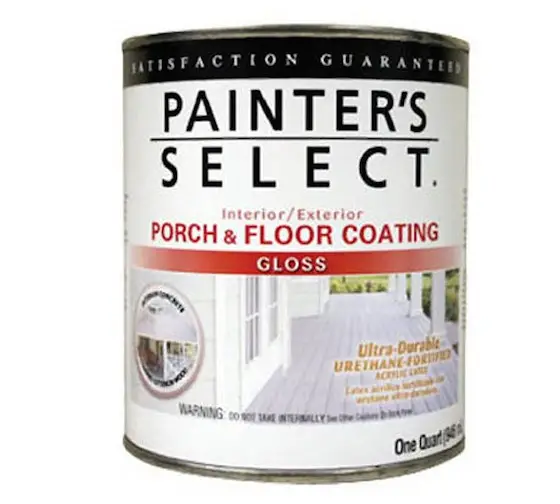
Here's a great urethane-fortified paint. That's why on the label it says it's for porches and floors! It's tough enough to use for your vinyl shutters! CLICK or TAP HERE or THE IMAGE NOW TO ORDER IT.
These special paints are easy to find at national-brand paint stores, not home centers. Some larger national retailers that have a paint and hardware division also carry these fantastic paints.
Why is Urethane Paint the Best?
The urethane resin in the paint is the key ingredient. Urethanes are very sticky and once they cure, they bond tenaciously to anything they touch. In many respects they behave like epoxy. I have used these special paints and when they dry on your hands, it is nearly impossible to remove them. This is a great attribute for paint as you do not want it to peel from the vinyl surface.
Is Urethane Approved for Use with Vinyl?
Several of these special paints actually state on their labels that they can be applied to vinyl surfaces. You simply need to follow their directions and often this means selecting a pint color that is nearly identical to the original vinyl color. The paint manufacturers do not want you to paint a light-colored vinyl a dark color. This can cause excessive heat buildup in the vinyl which can lead to excessive expansion and contraction of the vinyl. Since you had green shutters to start with, though, you can paint them a similar color of green and expect no problems.
If you paint vinyl products with regular exterior paint, there is a very good possibility the paint will fail. Vinyl has a very high expansion/contraction coefficient. Each day as the vinyl heats up from sunlight it expands. At night the vinyl contracts as temperatures drop. Not all paints are designed to stretch and expand to this degree much less going back and forth each day.
Is Power Washing the Best Way to Clean the Shutters?
Cleaning the vinyl by hand is extremely important. Do not think for a moment that power washing the vinyl is the best way to clean the surface. Power or pressure washing can and does leave a slight dirt film behind unless you position the tip of the cleaning tool dangerously close to the surface being cleaned. Since vinyl is smooth like a car, it is very easy to clean it using a sponge and soapy water. Be sure to rinse the surface immediately with clean water so the dirt film does not dry on the surface.
Column 584

Tim built custom homes and did ultra-custom remodeling for 20+ years before launching his Ask the Builder media presence. He was selected as one of the Big 50 by Remodeling magazine in 1993. This award gave birth to Ask the Builder in October 1993. Tim also operates https://DrawPlumbingPlans.com. His @askthebuilder YouTube channel was the first home improvement channel on YouTube.
Having trouble finding the acrylic urethane based paint you talk about for painting vinyl shutters. We've been to Sear's and Sherwin Williams. Where can we find this product. Thank you!!!
Gail, your question require lots of typing and I have some questions for you. You should consider investing in a 15-Minute Consult with me. Look at my cart for that. Lot's to discuss. I just do short pithy answers here.
Did you find this type of paint? Where, please??
at Sherwin Williams
I just spray painted my vinyl raised panel exterior shutters and they look great and I did not have to remove them. I washed them by hand, rinsed them, then used poster board strips and slid them in behind the shutters to protect the siding. I used painters tape along the side of the window where I couldn't slip the poster board under the shutters and then poster board strips down the length of the window. It was pretty easy, even on my second story windows using a ladder.
Can you use 100% acrylic latex paint to paint vinyl shutters and also will I have to primer them first
Can you use the same type of paint on the steel exterior door? I want them to match.
We have faded green shutters and want to paint them brown. Will this be a problem? Can you suggest a type of paint?
Thank you.
Robert,
I haven't touched this column in years, but after getting your question I inserted links to the exact paint you should use. Look above.
My shutters had started to fade and I used a brand name foam tire spray on a rag so not to spray on alum. siding and applied on shutters. They have looked new for several months now.
How can I tell if my shutters are vinyl or plastic?