Septic Tank Garbage Disposal
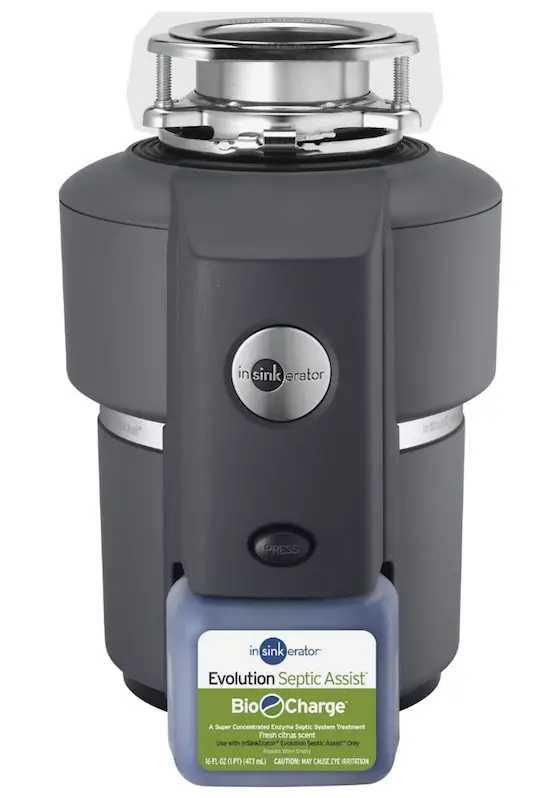
This is a special garbage disposal for septic systems. See that container at the bottom? A small amount of that liquid is injected into the disposal each time it turns on. This helps the waste decompose in the septic tank. CLICK THE IMAGE NOW TO BUY ONE OF THESE GREAT DISPOSALS.
Septic Tank Garbage Disposal TIPS
- Special disposals for septic tanks
- Squirt an enzyme into mush in disposal
- Helps break down waste in tank
- Pump out sludge from septic tanks
- CLICK HERE to Get Tim's FREE & FUNNY Newsletter!
How Many Homes Have Septic Tanks?
How many homes in the United States do you think rely on a septic system for their household sanitation needs? Five million you guess? Go higher. Fifteen million, maybe? Still higher.
Try twenty-seven million homes. If there are an average of 3 people in each house, that's nearly 81 million people!
How Many Septic-Tank Houses Have Disposals?
Past studies indicate that of these twenty-seven-million homes, only twenty-two percent have elected to install a garbage disposal.
The seventy-eight percent who do not have garbage disposals choose not to do it largely because they feel these devices will harm their septic tanks or drain fields.
What are Septic Garbage Disposals?
There are special garbage disposals that are made for homes with septic systems. These come with a small container of enzymes that are injected into the mush to help break them down in the septic tank. CLICK HERE to buy one now.
Do Garbage Disposals Hurt Septic Systems?
The truth of the matter, as stated by the Federal Housing Authority and other key industry groups such as the Small Flows Clearing House, is garbage disposals don't harm a septic system. You just have to make sure the system has been sized correctly and is maintained on a regular basis.
What Happens When the Disposal Grinds Food?
When you send solid particles into a 1,500-gallon septic tank, they can begin to accumulate. This only happens if they don't break down within the tank.
Some things can't break down. You may wash sand, clay and silt, and/or other solid non-organic things down into the tank. Small army men are also in this group.
This accumulation is called sludge. Some organic waste particles that can be broken down by the bacteria within a septic tank can sometimes become sludge if the bacteria doesn't have a chance to attack it.
Do Food Particles Break Down in a Septic Tank?
The organic food particles must remain in suspension for a long enough period of time for the bacteria to eat them.
If the particles are too big or don't float, the bacteria that break down waste simply doesn't have enough time to "eat" the waste. As sludge begins to build in a septic tank, it effectively reduces the capacity of the tank and beneficial bacteria.
How Much Sludge Can Be in a Septic Tank?
In our case, let's say that 400 gallons of sludge is in the bottom of the tank. This means we only have 1,100 gallons of bacteria filled water left to attack food and other waste particles. This is one reason septic tanks need to be pumped out at least every three years.
You need to get rid of the sludge.
Is it starting to become clear why regular tank maintenance is important? For the same reason, you should avoid sending solid objects such as cat litter, plastic Star Wars figures, and other objects towards the septic tank.
Are There Good Septic Tank Additives?
You can purchase countless good septic tank and system additives. The Small Flows Clearinghouse in West Virginia did a study on these years ago. At the time, they couldn't determine if the popular additives really did any good. You adding them to your septic tank may be just making you feel better, not necessarily your tank.
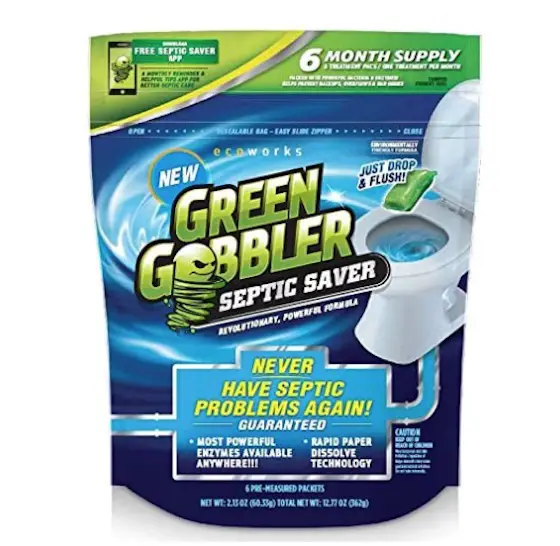
Here's one septic tank treatment product. CLICK or TAP HERE to see others.
Should Oxygen Be Added to a Septic System?
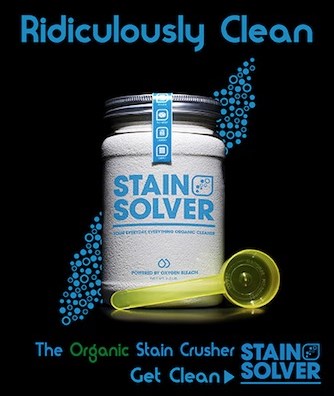
Stain Solver can inject lots of oxygen into your septic tank. It's MADE in the USA with USA ingredients that are food-grade quality. CLICK THE IMAGE to order some NOW.
You can add oxygen bleach to your septic system. Oxygen is what the big municipal sewage-treatment plants use to break down sewage. The second stage of sewage treatment is called aeration.
You can add Stain Solver oxygen bleach to your septic system once a week to give it a boost of oxygen. Just pour in 1/4 cup of Stain Solver into your toilet and flush it twice to get the powder down into the septic tank.
Stain Solver is Made in the USA with USA ingredients. It's certified organic so it's SAFE for your septic system.
When you add it, trillions of oxygen bubbles invigorate the beneficial bacteria in the septic tank.
Can Some Additives Hurt a Septic Tank?
Yes, some additives might be harmful to the biological activity within the septic system. In fact, some additives can rapidly kill the bacteria within the tank. Any product that contains chlorine bleach is bad for your septic tank and septic system.
The chemical name for chlorine bleach is sodium hypochlorite. Look for this fancy name on the labels of products.
If this happens you will quickly ruin your entire system as solid particles of waste will be carried to the drain field. When this happens, it is curtains.
The solid particles clog the gravel and soil that surrounds the perforated drain pipe in the leach field. Clogged gravel and soil means the polluted water has nowhere to go but the surface or it can travel through the soil to contaminate other groundwater resources.
Related Articles: Septic Tank Maintenance, Garbage Disposal for Septic Tank Manufacturer, Safe Septic Tank Additives, Disposals Harm Septic Systems - Garbage!
Column B225

Tim built custom homes and did ultra-custom remodeling for 20+ years before launching his Ask the Builder media presence. He was selected as one of the Big 50 by Remodeling magazine in 1993. This award gave birth to Ask the Builder in October 1993. Tim also operates https://DrawPlumbingPlans.com. His @askthebuilder YouTube channel was the first home improvement channel on YouTube.
Tim I've read a bunch of your articles on home repairs and find them to be helpful and informative, for the most part. I have to disagree with you on this one for the reasons you state in the displacement part of your article. Use of a garbage disposal that is not made for septic systems with a septic system places more sludge and creates less anarobic bacteria to digest this sludge so it accumulates in the tank making the need to have it serviced sooner a greater likely hood, It also contributes to failure of the system because of non digested solids clogging the drain fields. Just my opinion as a Master Licensed Plumber for over 30 years and still working at a trade I enjoy.
John,
There's two schools of thought on this. One says keep as much food out of the tank as possible. Another says a healthy tank can digest and break down the waste. The disposer grinds up the waste creating far more surface area making breakdown easy. If you REALLY want to enhance the bacteria in the tank to help them, you add one-half cup of Certified organic oxygen bleach each week to the tank. Things break down faster in the presence of oxygen. Septic tanks are devoid of oxygen because the methane gas production forces it out of the tank.
What is your opinion of the InSinkErator Disposal Evolution assist?