Painting
Painting
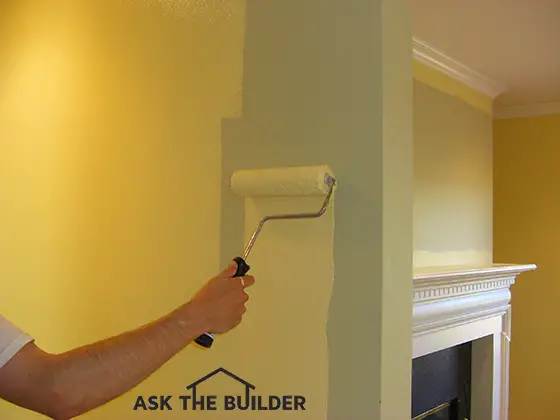
Anyone can paint you might think. The truth is you are right. I would agree that anyone who can fog a mirror and is able to move their arms and hold a brush can apply finishes. They may not do it very well, but they can do it.
Talk with a seasoned and experienced painting professional and you will quickly discover there are many techniques and special materials that professionals use on a daily basis to create satin smooth walls and gorgeous wood trim that radiates all of the natural warmth that Mother Nature intended for it to have.
Using a light before painting
Great painters have a keen knowledge of light and what it does. Light rays radiate in a straight line from their source and can bounce off of reflective objects such as mirrors and high-gloss surfaces such as counter tops, glass and polished floors. Walls that look smooth as silk in daylight might begin to look like the surface of the moon at night when artificial light washes over a wall or a ceiling. Light rays striking walls and ceilings at a low angle highlight bumps and depressions in a wall.
Before you or your builder paints a wall or ceiling, use a hand-held lamp or light and place it close to the surface. The harsh light streaking nearly parallel across the surface should reveal each and every imperfection. Use a wide thin-bladed scraper to knock off any small nibs or particles that might be encapsulated in previous coats of paint or simply stuck to the surface. Use a fine pencil to gently circle any depressions or other imperfections. Once the inspection is complete, use spackling compound or other patching material to cure the defects.
Should you use a primer on new drywall?
New drywall or plaster, as well as repaired surfaces, need to be primed with a special primer-sealer paint. These products contain special resins that seal surfaces so the porosity is uniform. They also contain larger pigment particles that help to even out the texture of the surface. When you apply the second coat of finish paint, you truly end up with a uniform surface that shows up well under any light.
Do your walls need painting? Find the most professional painters by using my Interior Painting & Staining Checklist. I offer a 100% Money Back Guarantee.
If you are going to paint woodwork or walls with a semi or high-gloss paint, eliminating surface imperfections is even more critical. The gloss surfaces of the dried paint accentuate surface imperfections. This once again is a light issue as the light rays striking a glossy surface will reflect away in different directions when they hit imperfections. This is why dimples and door dings in automobile car door surfaces show up so easily.
How can you extend paint drying time?
Because the chemistry of many paints is different, they dry at different rates. Paints that dry or flash quickly, can create headaches as your eyes can see brush strokes or overlap marks left by even the best brushes and paint rollers. This problem can be minimized if the paint manufacturer allows you to add an extender liquid to the paint. These products retard the drying time allowing you to always maintain a wet edge unless you are working in a region with extremely low humidity.
It is important to realize that the variance in quality of wall and woodwork paints is as wide as mouth of the Mississippi River. Be aware that your builder's painting subcontractor might be applying a low-quality paint in an effort to save money or produce a more competitive bid. This may not be in your best interests as low-quality paints do not wear well, they are nearly impossible to clean and they may peel at a later date.
If at all possible, visit several paints stores and discover what the top product is in each paint line. Make a list of these paints and submit them to your builder when you are working together to determine the cost of your new home. Ask if one of the high-quality paints can be used on your job. Make sure the language in your contract clearly states which paint is to be used on all interior and exterior surfaces. As your home is painted, stop by frequently and make sure you see those paint cans open and being used.
Column NH044

Tim built custom homes and did ultra-custom remodeling for 20+ years before launching his Ask the Builder media presence. He was selected as one of the Big 50 by Remodeling magazine in 1993. This award gave birth to Ask the Builder in October 1993. Tim also operates https://DrawPlumbingPlans.com. His @askthebuilder YouTube channel was the first home improvement channel on YouTube.