Borate Treated Wood Stops Rot & Termites
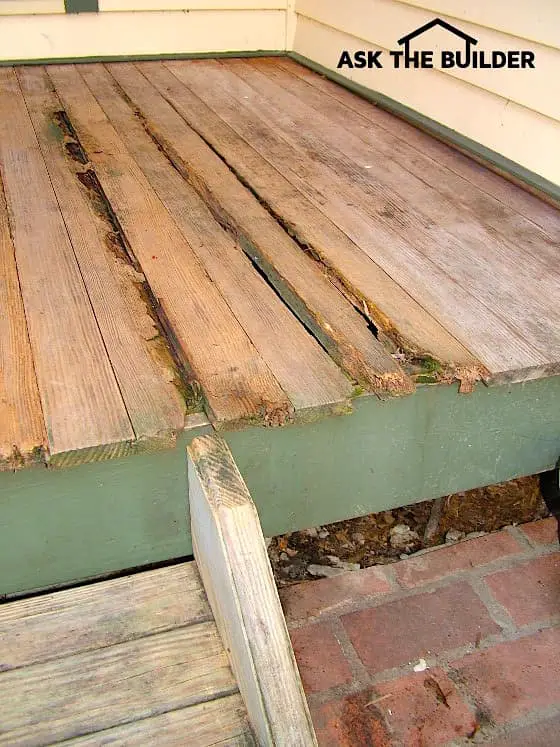
Borate wood treatment would have prevented this wood rot. This tongue and groove porch flooring is exposed to the weather. It suffered serious wood rot because it was not treated with a borate preservative. ©2018 Tim Carter
"The borate chemicals are a diffusible preservative. This means they can actually - and do - penetrate wood cell walls."
Borate Wood Treatment - An Effective DIY Wood Rot Trick
Related Links
Borate Chemicals for Wood Preservation
Termites - Soak Wood with Safe Borates
Free & Fast Bids
What is Borate Wood Treatment?
Borate wood treatment is a powder you mix with water. You then soak lumber in this solution to prevent wood rot and termite attack. Boron is the primary ingredient in the borate wood treatment. The fancy chemical name is disodium octaborate tetrahydrate.
Boron is found in glass fiber insulation, glass wool, high-temperature glass, enamels, detergents (remember the mule team stuff!), ceramics, flame retardants, magnets, fertilizers, and wood preservatives. It's also found in pesticides.
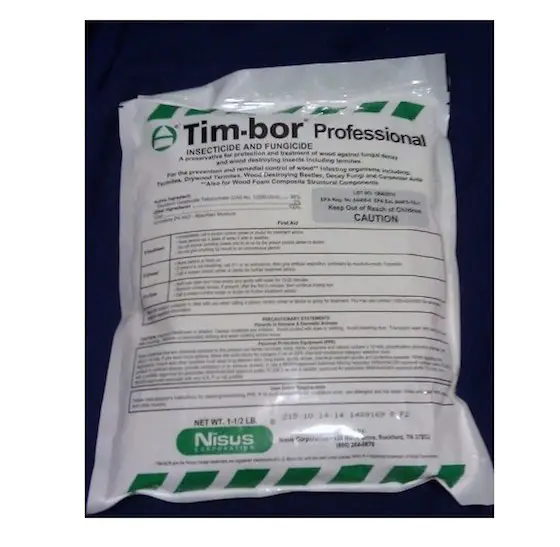
This bag of powder is but one of a few borate wood treatments. You mix the powder with water. CLICK ON THE IMAGE now to have it delivered to your home in a few days.
Is Boron Mined in the USA?
A major boron mine has been located in the United States since the 1800's. It's in California.
The positive properties of boron and borate wood have been known for some time, it just has never caught on. Borate treated wood is one of the best DIY termite treatments you can do, especially in new construction.
Is Borate Wood PreservativeWater Soluble?
Borate wood preservative is water soluble. The primary drawback is that the borate chemicals are water soluble. This means you dissolve it in water and use the water as the transport vehicle to get it into the wood.
This also means that water can extract the protection! Thus, if you pre-treat wood with borate chemicals at a factory and they get wet, there may be a loss of protection. Get the wood really wet, and the borates can completely leave the wood.
What is Borate Wood?
Borate wood is regular wood that has had borate solution sprayed on it or the wood has been put in a vat of the solution allowing it to soak deeply into the wood. The solution soaks up best in the ends of cut lumber or timber. Lumber mills sometimes paint or seal the ends of 2x material that can inhibit the borate treatment for wood to soak into the wood.
Are Treated Lumber Chemicals Water Soluble?
The old CCA (chromated copper arsenic), modern alkaline copper quaternary (ACQ), and LSOP (light organic solvent preservatives - i.e. creosote) methods of treating lumber are more popular because these chemicals are not water soluble.
This is why the CCA lumber - when it first came out - had a lifetime warranty. I clearly remember that back in the mid- 1970s.
What are the Advantages of Borate Wood Preservative Products?
The borate wood preservative products are easy to work with. They're safe and have very low toxicity to mammals. That's you - you're a mammal in case no one told you. I wish I had known about them when I built my home! They protect wood against a broad range of insects and fungi - wood rot!
Can Borate Wood Rot?
Borate wood will not rot if you keep it dry. That's not hard to do if you build your house or rood addition correctly and keep water from getting to all the house framing.
The borates can disperse readily in wood. If the wood is kept dry after treatment, the borates persist indefinitely.
The wood properties stay the same after treatment. The borates are odorless, have a low volatility, and they don't corrode iron, galvanized metal or aluminum. The best part is that they are cost effective.
Does Borate Wood Treatment Stop Insects?
The borates are effective at controlling:
- brown, white and red rots
- powderpost beetles
- furniture beetles
- old house borers
- subterranean termites (Reticulitermes, Coptotermes, Heterotermes)
- damp wood termites
- dry wood termites
- carpenter ants!
- cockroaches
- ants
- silverfish
- earwings
- crickets
The bad news is that they do not deter carpenter bees. Man, do I hate those devils! They have drilled hundreds of holes in my current house!
How Does Borate Wood Treatment Work?
The borate chemicals are a diffusible preservative. This means they can actually - and do - penetrate wood cell walls. Some other common preservatives are called envelope biocides (creosote, CCA, and pentachlorophenol) as they can produce an envelope of protection several inches from the wood surface.
The borates kill fungi and wood rot because they interfere with the enzyme systems in the microorganisms. When wood destroying insects eat wood that contains borates, it is a slow-acting stomach poison.
Worker termites transport wood back to the rest of the colony to eat. As such, the rest of the termites get sick over time, exhibit sluggish behavior, stop feeding and become moribund. In other words, the borate chemicals kick butt and take names!
If you decide to use the chemicals, be sure to follow all safety and handling guidelines!
Column B272


8 Responses to Borate Treated Wood Stops Rot & Termites