Cold Air Kitchen Exhaust Fan
Maggie Scofield is suffering from cold air that's coming down through her kitchen exhaust fan in Raleigh, NC. Allow her to give you a full report:
"It's been frigid here in NC yesterday, and expected to get down to 0 degrees over the next few days. I never noticed before, but there is a very cold downdraft from the exhaust opening over the stove, where the vent fan is installed.
What can I do to stop this downdraft? It would be great if the fan had a damper like our fireplace does, but it doesn't, and unfortunately the chasework for the fan goes straight through the stick-built cabinets that are above it.
I thought about just putting some aluminum foil over it to stop the air. Is that silly? Here's a photo of where the air is leaking."
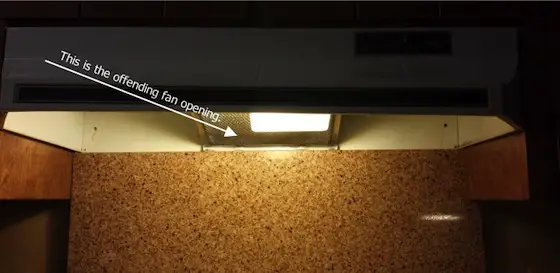
You can see the vent opening above the stove. It's not going to be easy to seal this off. Photo credit: Maggie Scofield
Maggie, this is a common problem. Believe it or not, there's probably a damper at the end of the exhaust cap where it exits the house. Unfortunately, they don't fit too tight because they need to swing open when the fan comes on.
Add to this that the dampers can get stuck in the open, or slightly open position, over time with a buildup of condensed cooking grease.
Instead of using aluminum foil, I'd recommend an old dishtowel that you hold in place with strips of hook and loop material. You can now buy this in all sorts of configurations including clamps. In your case, you may need to epoxy the hook part to the sides of the filter box and then sew the loop part to the dishtowel.
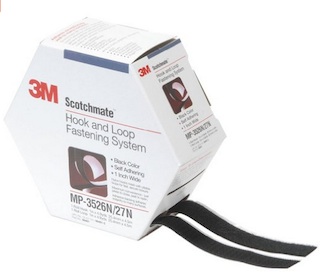
The advantage of this method is you can then wash the dishtowel as required so it looks nice and clean as it will get pretty gross unless you clean the underside of the hood on a regular basis. We don't here at my house because it's such a miserable job.
You'll need to cut the dishtowel so it doesn't block the light in the hood. If you cover that light up with the towel and someone turns on the light, it could overheat and cause a fire.
The other option, and I don't like this one too much because you can't see it, it to stuff a rag up under the filter cover. This rag plugs up the exhaust pipe completely. Once again, this is a fire hazard in case someone turns on the exhaust fan FORGETTING about the rag. The fan can overheat and cause a fire.
If you decide to do this, then come up with a reminder tag similar to what the US Navy and Air Force use on parts and munitions attached to planes. They say: REMOVE BEFORE FLIGHT. In your case, it needs to hang down over the stove and say: REMOVE RAG BEFORE FOOD.

Tim built custom homes and did ultra-custom remodeling for 20+ years before launching his Ask the Builder media presence. He was selected as one of the Big 50 by Remodeling magazine in 1993. This award gave birth to Ask the Builder in October 1993. Tim also operates https://DrawPlumbingPlans.com. His @askthebuilder YouTube channel was the first home improvement channel on YouTube.
Great idea, Tim! I'll definitely do that. The air coming out of that vent is extremely cold! And I will remember to remove the towel when cooking!
I had the similar problem with cold air coming down the vent.
To solve the problem I went to a sheet metal store and purchased a butterfly valve that fits onto the pipe at the junction of the range hood and the exhaust pipe. Make sure it is installed with the airflow arrow pointing toward the outside.
Hi Tim,
Can you debunk a practice I've heard about to stop this? I have heard of people doing is to put two 90degree elbows in the duct run to act as a trap for the cold draft. If you were venting up through the attic and the added elbows didn't add too much run resistance to the duct, would it help?
On a side note, we have the same problem with a basement kitchen exhaust hood, but it isn't actually a draft coming past the damper. It's being caused by the cold being transferred into the back of the hood front the ductwork that is coming through the cold concrete wall and there not being a thermal brake or barrier. If this lady was to tape a bag over the exhaust vent outside on a windy day, this would confirm if it is a draft that is getting past the damper or if it is a draft being caused by thermal convection from a cold hood like ours.
Tim, up here in Maine I had the same problem and solved it by removing the mesh screen to get to the fan assembly.
Simply remove the fan holder (mine has 2 straight slot screws) and unplug the 2 prong power cord for the fan.
With the fan out, I cut a piece of solid 1" foam insulation to size (approx.12" X 6") and pushed it up against the opening to the outside where all the cold air is pouring in.
With the fan power still unplugged, I re-installed the fan assembly. But before replacing the mesh screen, I put it in a 1 gal. clear plastic storage bag. This is an extra layer of draft protection and the clear bag signals that the fan is unplugged.
In my situation, I enhanced the process by blocking the outside vent with the same solid 1" blue foam board.
It's below zero here and we have no cold drafts!
Hello,
I put in a kitchen stove vent about 5 years ago with a "Round Soffit Exhaust Vent". One cuts a hole in the soffit and installs it so it sits vertically with opening facing downwards. A very weak spring keeps it closed. It hasn't frozen in place now at 45 below C (touch wood) here in Northern Ontario and there is absolutely no down-draft inside. I'm sure they are available in the States. It and the bathroom vent pipe rest on the ceiling with almost 2 feet of insulation above them to keep them warmish.
In my kitchen I have an exhaust fan. In the winter it is extremely cold because of the openness of this fan. It measures 12" x 12" and the Brand name is Progress. I've been online and have seen many magnetic covers which would be great only thing mine is larger than what they are showing. It measures about 5/8" higher in the center. Is there anything out there that I'm missing? They call in Vintage I call it old...
A kitchen vent cover that has flapper for $5 at Rona. You install on the outside wall of the house.
just put the fan on low - no more cold