Copper Water Pipe Corrosion – Aggressive Water
DEAR TIM: I'm getting ready to build a new home. I am deeply concerned about my drinking water lines. I have heard from some friends in different parts of the country that copper water lines can corrode from aggressive water. Is this possible? What is aggressive water? My parents had copper water lines that never were a problem. Is there an alternative pipe I can use? A.N.
DEAR A. N.: Aggressive water is drinking water that can cause corrosion. It is a real and growing problem in many parts of the country. Leaks are developing in new homes that are less than 2 years old in some cases. These leaks can cause high water bills and structural damage. Homeowners or municipal water systems that obtain their water from wells are susceptible. Rarely, does surface water (that obtained from rivers, lakes, etc.) become aggressive.
The causes and mechanisms that are responsible for the corrosion are not always the same. Water that is slightly acidic is sometimes to blame. High levels of dissolved minerals and carbon dioxide also can cause problems. High levels of chloride or sulfate can be serious.
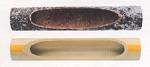
Poor workmanship can lead to corrosion. Plumbers who use excessive amounts of flux when soldering and/or leave excess flux on copper pipe and fittings are to blame as well. Flux is an acid that is brushed on copper pipes and fittings that allows solder to bond more easily to copper. Municipal waters works usually have chemists who regularly test the quality of the water being drawn from wells, rivers, lakes, and aquifers. These chemists are responsible for maintaining water quality. Not only do these individuals treat water to make it safe to drink, they sometimes alter the water chemistry to make it less aggressive. Some municipal water works add corrosion inhibitors to the water.
Believe it or not, these chemists try to adjust the acidity and hardness of the water so that it actually coats the inside of your pipes with a thin scale of calcium carbonate. This scale can protect copper pipes from corrosion by insulating' the copper from the aggressive water. This may be the reason why the pipes in your parents house are not suffering from corrosion. New copper is very susceptible to corrosion, as the protective scale has yet to form.
Water chemistry can change. Those parts of the country that are experiencing growth may find out that their municipal water works are either drilling new wells, or sinking existing wells deeper. In either case, aggressive water may be mixed or injected into a previously non-corrosive water system.
For this reason, you may wish to consider plumbing piping which is not affected by aggressive water. CPVC plastic piping is a good choice. This piping has been used by the plumbing industry for over 40 years. It is regularly tested by the National Sanitation Foundation to make sure that it can deliver water which meets all U.S. EPA standards. However, CPVC piping should be used carefully in outdoor underground installations. There have been instances where solvents in polluted ground have actually migrated into the piping. Choose your piping materials carefully.
Read in my September 10, 2009 Newsletter about Jenee's question about PEX vs Copper tubing.
Author's Notes:
July 6, 2001
I just received an email from Gold Pipe and Fittings and they have information that says solvents in polluted ground areas do not migrate into the piping. Stay tuned to the website to get the facts.

Tim built custom homes and did ultra-custom remodeling for 20+ years before launching his Ask the Builder media presence. He was selected as one of the Big 50 by Remodeling magazine in 1993. This award gave birth to Ask the Builder in October 1993. Tim also operates https://DrawPlumbingPlans.com. His @askthebuilder YouTube channel was the first home improvement channel on YouTube.
Tim,
As an instructor in the public drinking water industry for the last ten years, I would say that your answer to this question is excellent. Thank you especially for informing those who will read this response about the fact that public water purveyors actively protect the customer's plumbing from corrosion in the way their water is treated. It is just one example of the diligent practices of professional water operators that often goes unnoticed and unappreciated.
It has been widely reported by training programs/resources in the industry that chemical permeation/penetration of plastic pipe materials is a concern, though I know of no specific example where it has been proven to happen. Whether this is related to older types of pipe manufactured before it was know to be a concern or caused by improper storage of the pipe prior to installation, I do not know. Certainly, anyone considering the use of plastic pipe, due to the many advantages it provides, would want to consult a local professional to determine if there are any existing conditions that would be an issue.