Caulk Removal
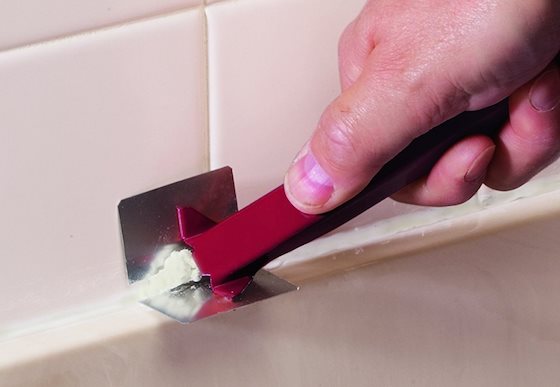
Caulk removal is easy if you use a caulk removal tool that will cut caulk out of corners. CLICK THE IMAGE NOW TO ORDER ONE.
"The best caulk remover might be your wife's hairdryer. This unusual tool is probably the best silicone caulk remover. Be sure to get her permission to use it!"
Caulk Removal TIPS
- Remove old caulk with sharp tools and heat
- Some solvents can soften silicone caulk
- Isopropyl alcohol softens non-silicone caulks - Flammable
- Watch Caulk REMOVAL VIDEOS Below!
- CLICK HERE to Get Tim's FREE & FUNNY Newsletter!
DEAR TIM: I need to know how to remove caulk in several places in my bathroom. The caulk has mildewed. Can you show me how to remove silicone caulk?
What kind of caulk can I install that will not support the growth of mildew? How can I STOP mildew growth in my bathroom? Andrea Z., Hobe Sound, FL
Free & Fast Bids
CLICK HERE to get FREE & FAST BIDS from local handymen that can remove caulk.
DEAR ANDREA: I can show you how to remove caulk and how to remove silicone caulk. Believe it or not, it's easy and you probably use the primary tool on your hair each morning.
Many homeowners, including myself, have battled unsightly caulk joints in bathrooms, kitchens and other high moisture locations for years.
You can now purchase mildew-resistant caulks to eliminate future mildewed caulk problems. It's going to take some effort on your part to remove the existing caulk, but it's not that hard.
You're going to start with heat first. WATCH the following video.
If that doesn't work for you, then there are some solvents you can use to remove caulk. You'll also need to use a caulk removal tool to minimize damage to adjacent surfaces.
Silicone Caulk Remover Video
Watch this short video to see a most unusual silicone caulk remover. Your wife has it in your bathroom. Get her permission to use it!
How to Remove Caulk Video
Here's a second video that shows a simple caulk removal tool and how to carefully use it.
Why Does Mildew Grow on Caulk?
Mildew grows on caulk because there's water, mildew spores and mildew food on the caulk.
Bathrooms, and kitchens are ideal locations for mildew growth. Mildew spores are everywhere in your home. They float in the air and settle on everything.
For mildew to blossom and grow it just needs two things: water and food. Bathrooms - especially tub and shower areas - provide ideal growth conditions for mildew. Daily showers and baths supply water that often ponds at the locations where you frequently use caulk. These areas are often the last to dry out as the water evaporates.
Body oils, soap films, shampoos, and other hair care products almost always contain ingredients, or food, that provide mildew spores a continuous, delectable smorgasbord. Certain caulks actually contain organic ingredients that mildew eat.
How Do I Stop Mildew on Caulk?
You stop mildew on caulk by cutting off the water supply to the mildew spores.
It's important to realize you must also keep the caulk clean. Body oils, dirt, and other things are food for mildew. Clean these off and the mildew can't survive.
Sadly most people don't have the diligence and discipline to do what's needed. After each shower, you must use a squeegee to get as much water off the walls and any other surfaces in the shower area. If you have a shower curtain, shake it to get as much water off as possible before using the squeegee. Use the squeegee to pull the water to the drain.
How Can I Dry Off the Caulk?
You dry off caulk by leaving the shower curtain or shower door open to allow air to get into the tub or shower area. Leave the bathroom door open so house air can lower the humidity in the bathroom.
Use a high-quality bathroom exhaust fan to get as much humid air out of the room as possible. I happen to LOVE the Fantech bathroom exhaust fan.
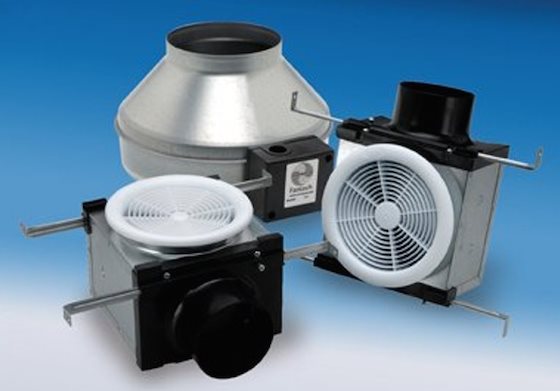
Here's a typical Fantech bath exhaust fan setup. The odd cone-shaped metal thing is the fan. The two boxes that have the round white covers are place up in the ceiling joists of the bathrooms. All you see are the sleek round white covers. They come with and without lights! I LOVED these in my last house. CLICK THE IMAGE TO BUY the SET NOW.
What is the Best Caulk Remover?
The best caulk remover might just be a hairdryer. The heat softens cured caulk sometimes making it easy to scrape.
Caulk removal begins by softening the old caulk. There are some solvents you can try. 3M makes a caulk-removal solvent they say works on all caulks. Be patient with them as it can take a while for them to soften the caulk. The older the caulk is, the longer it may take for the solvent to work.
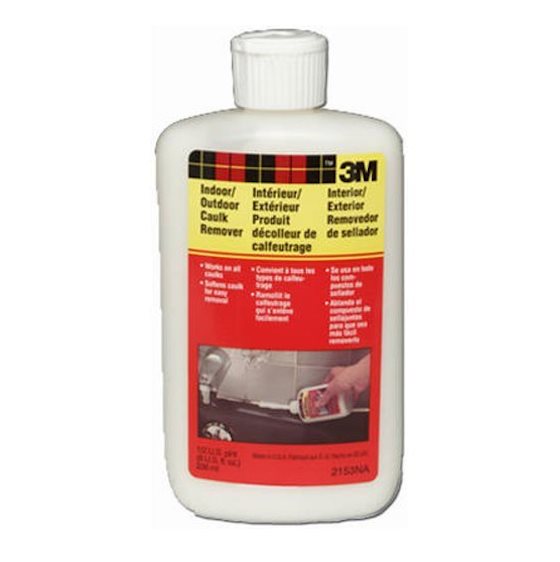
Here's a caulk removal solvent. 3M claims that it works on any type of caulk. The key is to let it work after you apply it. Don't be impatient. CLICK THE IMAGE NOW to ORDER IT.
CLICK HERE to get FREE & FAST BIDS from local handymen that can remove caulk for you.
How Do You Use Liquid Caulk Removers?
You use liquid caulk removers with care. The first thing to realize is you need to read the instructions on the label.
Once you have allowed the solvent to work, you manually scrape out the bulk of the old caulk. You can use a razor blade or any other type of cutting or scraping tool that will not hurt you or the materials adjacent or beneath the caulk.
If you decide to use a razor knife of any type, I suggest you wear medium duty leather gloves to protect your hands during the removal process.
What is a Good Caulk Removal Tool?
A good caulk removal tool is one that has guides that protect the surfaces the caulk touches. The tool must be sharp and be able to get into corners.
Here's a unique tool that is made specifically to remove caulk. It has a stainless-steel guide and cutting plow to get caulk out of corners. Be sure to always read reviews about any tool before you invest in it.
This tool will cut caulk out of corners. CLICK THE IMAGE NOW TO ORDER ONE.
There are other caulk-removal hand tools out there. Some are made for flat seams instead of corner seams. CLICK HERE to see a wide assortment of caulk-removal tools.
When using a caulk-removal tool, feel free to incorporate some water as a lubricant. The water will help to minimize scratches to tile or plumbing fixtures. Work slowly and carefully. Remember, the more power you exert while scraping or cutting, the more control you lose over the scraping tool.
Are There DIY Caulk-Removal Liquids?
Yes, you may have some effective caulk removal liquids in your kitchen pantry or under your bathroom sink. Regular isopropyl alcohol is a handy caulk remover.
If you don't want to try a specialty off-the-shelf caulk remover, there are products you may already have in your own home. Experiment first with plain water. If the original caulk was a non-acrylic water-based caulk, soaking it with water saturated rags for three days can soften the caulk remnants.
Water-based acrylic caulks and those made with polyvinyl acetate resins can often be softened by soaking them with isopropyl rubbing alcohol. The alcohol swells the old caulk molecules and helps to lift them from the surrounding materials. Be careful when using the alcohol as it is a flammable substance and often burns with little or no flame.
How To Remove Silicone Caulk
Silicone caulks are the hardest caulk to remove. Start to remove silicone caulk with heat from a hairdryer. If that doesn't work, step up to some softening chemicals.
Some of my readers have had success with WD-40. You can also scroll up and try the 3M product I mentioned earlier.
Multiple applications of strong alkaline compounds like sodium or potassium hydroxide can soften silicone caulk. Oven cleaners contain this chemical.
DANGER WARNING: These chemical compounds are dangerous and can often burn you or the materials surrounding the caulk. Apply these carefully to the caulk with a cotton swab. These compounds can dull plastic laminate tops, acrylic and fiberglass tub and shower units and many other bath and kitchen materials. You must work slowly and carefully.
CLICK HERE to get FREE & FAST BIDS from local handymen that can remove caulk for you.
What is the Best Caulk to Use?
The best caulk to use is one that contains mildewcides. These caulks contain chemicals that leach from the caulk over time and poison the mildew spores. Some of the caulks come in beautiful colors and offer lifetime guarantees against mildew growth.
You can minimize mildew growth in bath and shower areas by cleaning them on a frequent basis. Cleaning and rinsing all surfaces with clear water will remove mildew food sources. You should also keep tub and shower doors and curtains open after you leave a bathroom. Leave bath doors open as well to speed the drying process.
WATCH THESE TWO VIDEOS to see how to install your new caulk:
CLICK HERE to get FREE & FAST BIDS from local handymen that can remove caulk for you.
Related Articles: Create Caulk Joints, Mildew-Proof Caulks, Mildew-Proof Caulk Manufacturers
This popular column was shared in the April 16, 2014 Newsletter & Tips.
Column 229

Tim built custom homes and did ultra-custom remodeling for 20+ years before launching his Ask the Builder media presence. He was selected as one of the Big 50 by Remodeling magazine in 1993. This award gave birth to Ask the Builder in October 1993. Tim also operates https://DrawPlumbingPlans.com. His @askthebuilder YouTube channel was the first home improvement channel on YouTube.

I tried to caulk my brick chimney, on the roof where the fireplace chimney comes out to the roof of the house. The girl at Lowe's told me this was the right caulk, as I wanted to touch up some missing caulk on the outside of the chimney. When I started to use the caulk, it was runny and a mess, now i have a gray runny mess, that I would like to clean up. Please help, is there anything I can use to clean up this mess? Thank you!!!!!!!
How can i remove silicone caulk from siding
I tried non-acetone finger nail polish remover on a cloth and, with a bit of rubbing, it removed the silicone caulk without damaging my fiberglass tub.
What solvents or materials should not be used on Corian?
The caulk cutter picture link didn't work. But by now you probably already know that. BTW, the "share/like" box at the top-left of our computer screens and the search box at the bottom really restrict viewable space. Any way those could be relocated?
Thanks for the good advice you give us. Jim
Tim, buy lots of DIY tools and supplies on line, but I also buy ay Home Depot or Ace. I just bought from Home Depot a hose end replacement made in China. The ones I have purchased over the years had stainless steel screws that held up to hard screwdriving and supplied the clamping power needed to prevent leaks. This one has what seem to be aluminum screws that are impossible to remove without stripping the Phillips heads so you can't even replace the screws with good ones since it won't come apart.
Regarding your survey, I would have answered with more responses if you had allowed multiple responses.
After caulk removal don't forget to thoroughly clean with Stain Solver and let it dry completely! It will make everything sparkling clean before the fresh caulk goes on.
Nothing you suggested works, and so you're a baldfaced liar.
Alex, you're a cad! Everything I suggest above works. You're a fool, man. You're not doing things right.