Drain Cleaner Tips
Drain Cleaner TIPS for Clogs
- Get a wet-dry vacuum handy
- Stain Solver works and some liquid cleaners
- WATCH drain-design video for reference
- Suck out yucky water from drain before using clog-removal products
- CLICK HERE to Get Tim's FREE & FUNNY Newsletter!
DEAR TIM: My plumbing drains occasionally clog. Do the chemical products really remove clogs from plumbing pipes?
Are there safe products to use for septic systems? Do some types of pipes clog more readily than others? How can I prevent those pesky bathtub clogs? Shirley P., Marshall, MN
DEAR SHIRLEY: Welcome to the club!
Master Plumber Pipes Clog Too
When I built my house years ago, I was sure I would never have a clogged plumbing pipe. After all I installed the plumbing drain pipes and I'm a master plumber.
I used smooth plastic drain lines and sized all pipes according to code. It turns out, this wasn't good enough.
Kids Tub Clogged Solid
Several weeks ago, I took a bath in my kids' bathtub to soak my aching feet. Upon exiting the tub, I operated the drain lever. The water in the tub didn't budge! The drain was completely clogged. Attempts to remove the clog with a plunger and a drain cleaning snake were futile.
Free & Fast Bids
CLICK HERE to get FREE & FAST BIDS from local drain-cleaning plumbers who can save you lots of time.
Black Goop = Biofilm
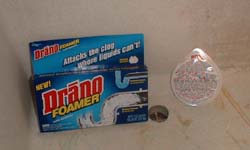
Every time I plunged, black goop came back out through the drain opening. This goop is biofilm.
It can be a combination of bacteria, old food particles, soap film, cosmetic ingredients, toothpaste, shampoos and conditioners, and actual body oils. The film is quite sticky on the surface and hardens as successive layers begin to build on top of one another.
It's not uncommon for biofim to accumulate and choke off a 1.5 inch diameter drain in just 25 to 30 years. The biofilm also emits mold spores when water goes down drains. The gas that ejects the mold spores from the biofilm has an offensive odor.
Hair Clogs
Hair - especially long hair - is also a major clog source for drains. Strands of hair can attach themselves to the biofilm and any rough surface or object in a drain pipe.
The mechanism within bathroom sinks and bathtubs that operate the stopper are favorite collection points for hair. I believe the clog in my bathtub drain was a combination of biofilm and my teenage daughter's long hair.
Grease Clogs
Grease can also clog drains. Pouring liquid grease down a kitchen sink or any drain is a big mistake.
It can solidify and choke off the drains or the main building drain line. Pour lukewarm or cool grease into paper towels or old newspapers and throw it away with your normal garbage.
Easy Drain Cleaning Video
Watch this video to see how to design drain pipes so you can clear clogs FAST.
Powdered Oxygen Bleach
Stain Solver is MADE in the USA with USA ingredients that are food-grade quality. CLICK THE IMAGE to order some NOW.
Stain Solver is a powdered oxygen bleach that can do a great job of clearing drains. It dissolves grease and softens biofilm. Stain Solver is certified organic, made in the USA and has no odors like offensive chlorine bleach.
You mix the Stain Solver powder with hot water, stir until it's dissolved and then pour it into the clogged drain.
It works best if you use a wet-dry vacuum first to suck out as much water from the clogged drain as possible.
Use small extension tubes or plastic tubing taped to the vacuum hose to get water out of drain pipes.
Doing this allows the concentrated Stain Solver solution to get in contact with the clog.
Liquid Drain Cleaners
The liquid drain cleaners can work very well too. I decided to try a maximum strength off-the-shelf product purchased from a local grocery store even though I knew my Stain Solver would work.
I always love to try new methods and products.
It was a thick product that poured like maple syrup. These common drain cleaners are actually a combination of regular household bleach, alkali chemicals (sodium hydroxide) and other ingredients.
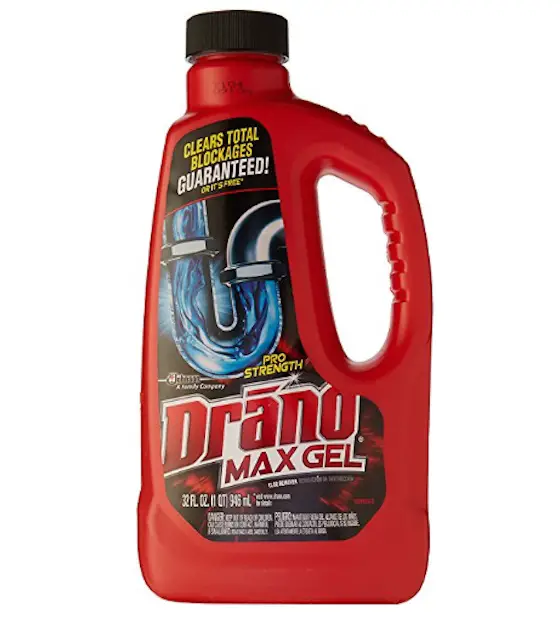
Here's the product I used to clear the tub drain. There are several different formulations. CLICK the PHOTO NOW TO SEE THE ONE THAT'S BEST FOR YOU AND HAVE IT DELIVERED TO YOUR HOME.
The bleach component works great to dissolve hair, cosmetics and soaps. The alkali ingredient works with the bleach to actually soften and dissolve the biofilm deposits.
CLICK HERE to get FREE & FAST BIDS from local drain-cleaning plumbers who can save you lots of time.
Foaming Drain Cleaners
New foaming cleaners are now available that coat the entire inside of the pipes. The foam attacks biofim buildup on the side walls and top of the pipes. These surfaces are usually left untouched by the liquid drain cleaners.
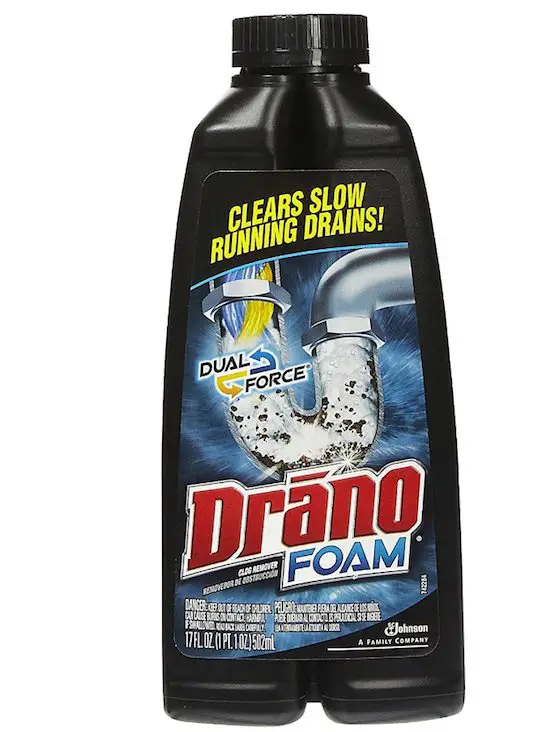
I've used this foaming drain cleaner on my slow-draining kitchen sink. It seems to help. CLICK THE PHOTO NOW TO HAVE THIS PRODUCT DELIVERED TO YOUR HOME.
Wet Rags & Vacuums
To make sure I got the most punch from the product I purchased, I did something different. With a wet rag stuffed down the tub overflow tube, I used my powerful wet-dry vacuum to suction out all of the water from the drain pipe and the bathtub drain trap.
This allowed me to pour the contents of the drain cleaner directly up against the clog. Within fifteen minutes, my bathtub drain was flowing like new!
Limit Use In Septic Systems
Regular chemical drain cleaners contain ingredients that are harmful to septic systems. The chemicals can kill off beneficial bacteria within the septic tank.
If you have a septic system, you should use Stain Solver on a regular basis. It can prevent clogs before they happen. When used on a regular basis and according to manufacturer's recommendations, it will not harm your septic system.
Stain Solver oxygen bleach will help to minimize biofilm buildup on the inner walls of pipes. It also adds beneficial oxygen to your septic tank.
Copper = Natural Biocide
Copper drain lines seem to have the fewest clogs. The copper actually poisons the biofilm slowing its growth and buildup.
Plastic drain lines are also resistant to clogs although biofilm will attach itself to the smooth insides of these pipes.
Galvanized iron and cast iron pipes clog most frequently due to their rough inner surfaces. If you're installing a bathtub in a new home or remodeling project, put in a 2 inch diameter trap and 2 inch drain line. The larger pipe size will be more forgiving and easier to clean out.
CLICK HERE to get FREE & FAST BIDS from local drain-cleaning plumbers who can save you lots of time.
Related Articles: Minimize Clogged Drains - Plumbing Installation Tips, Drain Cleaners - What Works / What Doesn't, Liquid Drain Cleaners, Clog-Free Kitchen and Bath Drains.
Column 246

Tim built custom homes and did ultra-custom remodeling for 20+ years before launching his Ask the Builder media presence. He was selected as one of the Big 50 by Remodeling magazine in 1993. This award gave birth to Ask the Builder in October 1993. Tim also operates https://DrawPlumbingPlans.com. His @askthebuilder YouTube channel was the first home improvement channel on YouTube.
How effective are enzyme cleaners given that they are slow...can they work on stubborn blocks
I think backing soda and vinegar is best option for small drain clearing.
Well Jilly, I don't know what to say. You obviously didn't pay attention in high school chemistry class or were out sick the day the teacher showed that when you mix vinegar with baking soda you get an immediate chemical reaction yielding a liquid that has NO POWER in it to do anything. The vinegar and baking soda immediately react in seconds and exhaust all their power. Your method is worthless I'm sorry to say.
I just have to say, even without taking any high school chemistry, that I have used the vinegar/baking soda solution and have success with it, so I am not certain what to make of your post. Small clogs do indeed get resolved with that combination. Really.
In my newer tub, all I had to do to fix a very slow drain was pull off the drain cover (no screws), pull out the hair from what appeared to be a permanent metal filter, turn on the water all the way, and found drainage was excellent. No water accumulated in the tub. I poured three cups of regular bleach to remove anything that might be in/on the pipes(trap) below and left it there for one day. This is the first time I had a bad slow drain. The tub is about six years old and this is the first time I had to clean the drain. I have Tim's oxygen bleach, but am saving it for other jobs.
Thanks for the advice on cleaning drains with your Stain Solver. I've got an old 16 LB container and am not sure how to use it for drains. The only instructions are for deodorizing kitchen disposals and drains. We have no issues with odors there.
Can Stain Solver help with a toilet drain problem? One of our upper floor toilets only seems to fully flush about half the time. I've plunged it a dozen times and used the toilet auger on it a dozen times and it's still the same. I read your article on getting a large group together for simultaneous flushes but that can be hard to organize. Thanks.
Read this column:
http://www.askthebuilder.com/clogged-toilet/
Pay attention deep down in the column about the syphon jet hole clogged by mineral deposits.
Stain Solver will NOT help with this. Stain Solver in a drain is only good for getting rid of biofilm and grease deposits.