Wainscoting – Distinctive Wall Paneling
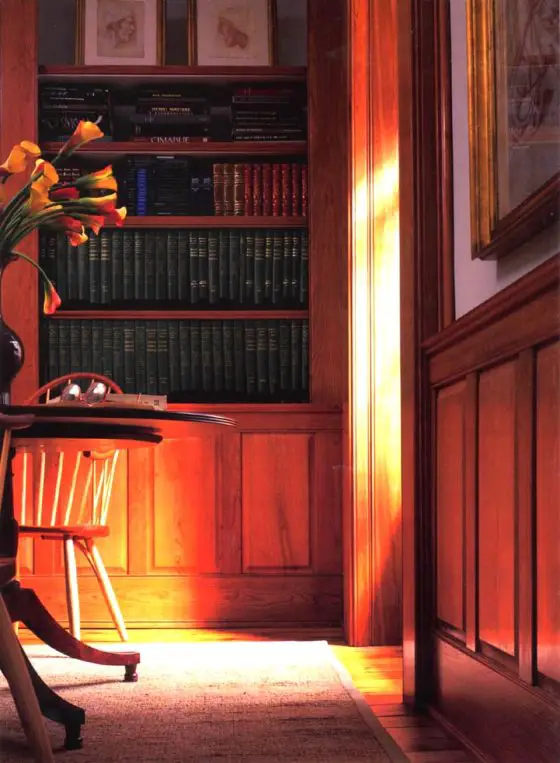
Wainscoting | This stuff is so easy to install! Photo courtesy of New England Classic.
DEAR TIM: I am really tired of the plain walls in our dining room. Traditional wood wainscoting seems like it would be a perfect way to give the room character and the walls some relief. Can you apply wainscoting to drywall or plaster walls or do you need to nail it directly to the wood studs. Do you need to be a master carpenter to install it? Is this project a possibility or should I just dream about it? Sara T., Cherry Hill, NJ
DEAR SARA: Wow! Great minds think alike. My wife just decided that I am going to do the same thing to our dining room. I sure hope you two don't get tired of the roof color or the style of kitchen cabinets soon! I must tell you that the raised panel wainscoting idea is a brilliant one. Not only can it be installed in dining rooms, but you can also transform a study, a stairway, a kitchen island, surround a breakfast nook, or just accent one wall in a room. The possibilities are almost endless.
What is Traditional Wainscoting?
Traditional wainscoting found in many older homes is solid wood. It is a system of vertical and horizontal wood members that surround raised or flat wood panels of various styles and sizes. The older systems could only be installed by a carpenter who had a great deal of talent and experience. It is one of the highest forms of finish cabinetry found in a residential home. Fortunately, technology advancements in both materials and manufacturing have made the installation of raised panel wainscoting a job that can be tackled successfully by a person who has some basic tools, is able to follow written instructions, and can use a measuring tape. It is that simple.
How is Modern Wainscoting Different?
Modern wainscoting is a fabulous material. Some types are extremely environmentally friendly. They maximize the use of our precious natural resources. Some modern wainscoting is a combination of thin veneers applied to a dense core of either stable engineered wood or a unique wheatboard core that recycles wheat straw. Cherry, oak, and maple are the natural wood finishes that come with this system. A paint grade is also is available that accepts any standard interior paint. It comes ready to paint from the factory. Both types come ready to assemble from the factory. Only minor trimming at corners is required to fit the pieces together.
This modern method of making wainscoting solves another problem. The solid wood panels used in traditional wainscoting are very susceptible to expansion and contraction caused by changes in humidity. The panels can crack in extreme cases. The engineered products are very stable and should not cause any problems as seasonal swings in humidity occur.
Other modern systems are a blend of solid wood and plywood raised panels covered with hardwood veneers. Walnut, cherry, oak, poplar, and several other wood species can be used. Traditional solid wood systems may be available in your city or town as well. There is a good chance that a woodworking mill is still in business that can easily make the wainscoting components for you. If they do this type of work on a regular basis, they may offer competitive pricing. What's more, they may be able to produce custom profiles on the trim and panels at a small extra charge. Search for these mills under "Woodworking".
If you find that the cost of wainscoting is out of reach at this time, you can create a distinctive wall treatment using simple wood moldings, some glue, and a little time. Visit a lumber yard and purchase several moldings that you can apply to the lower sections of your dining room walls. You should be able to find moldings with interesting profiles that lay flat on the wall. Use a regular miter box and a saw to create proportioned rectangles and squares similar to the raised panels found in wainscoting. The vertical pieces that fall between wall studs can be attached permanently to the wall using a combination of glue and nails driven at an angle through the molding.
Once you have completed all of the rectangles and squares, consider the application of a traditional chair rail molding above these moldings. This final piece of woodwork will set them off perfectly.
Column 299

Tim built custom homes and did ultra-custom remodeling for 20+ years before launching his Ask the Builder media presence. He was selected as one of the Big 50 by Remodeling magazine in 1993. This award gave birth to Ask the Builder in October 1993. Tim also operates https://DrawPlumbingPlans.com. His @askthebuilder YouTube channel was the first home improvement channel on YouTube.