Creating Brick Patios
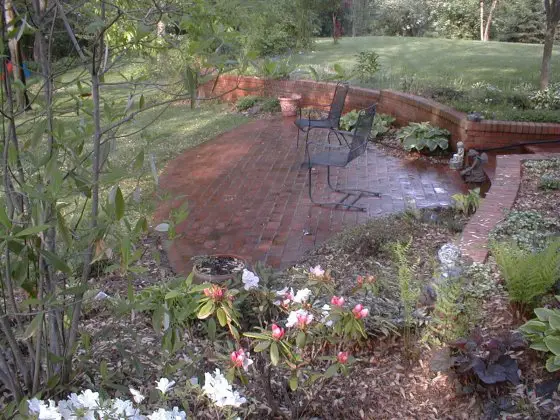
I feel one of the most important aspects of creating a brick patio is to make sure the patio is sized properly. You can download amazing how-to instructions to build this patio. Go here to get the instructions.
Building a Brick Patio - Use Clay Paving Brick
DEAR TIM: I have a perfect spot in the back of my house for a patio. The look of real brick is very appealing to me. Is it possible for an average person to install a brick patio? What is the easiest method and what is the most permanent method? What do you think the materials would cost? Pamela S., Overland Park, KS
DEAR PAMELA: Patios can be created using all sorts of materials including, but not limited to, concrete, Patterned Concrete®, stone, ceramic tile, traditional clay brick and concrete brick. I have worked with all of these materials but I must admit that the traditional red clay paving brick has always received the most glowing compliments from customers and people who walk on my own brick patios.
Not all brick are created equal. People who live in cold climates need brick that can withstand years of freezing weather. You live in an area that does indeed get cold so be sure that the brick you purchase is graded and rated for severe weather. This brick is made with high quality clay and is fired in the kiln for an extended period. These conditions create a hard brick that is very durable.
The Size of the Patio Must Be Correct
I feel one of the most important aspects of the job is to make sure the patio is sized properly. All too often people make patios and decks too small. I would purchase the patio furniture you intend to use. Place it exactly where it will be used. Use spray paint or string to outline the edges of the patio allowing sufficient room for grills, side tables, flower pots, etc. Using this outline you will be able to estimate the total square footage of the patio.
DIY-Friendly Job
An average person can install a brick patio. If you work alone, it will take many days of work. All too often people think they can do jobs like this on a weekend. I find that rarely to be the case. Be conservative in your time estimate so that you do not rush and cut corners. An average-sized patio that measures 15 by 20 feet may consume 100 to 150 man-hours of labor.
The Two Brick Patio Methods
Clay paving brick can be set in a sand base that is supported by a crushed gravel base. They can also be permanently attached to a poured concrete base. I have tried both methods and I can tell you that the brick over sand method is by no means permanent. Moles can push up bricks, ants love to bring sand to the surface between the joints and this sand is often tracked back into the house. Weed control is a constant problem as well. Installing the brick with cement mortar over concrete eliminates all of these problems.
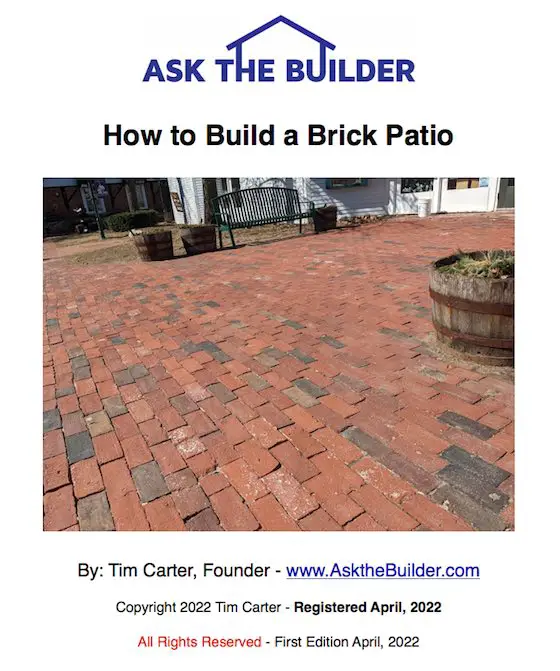
Download my step-by-step instructions to build a patio using brick. These instructions come with videos, illustrations, links to top tools, and SECRET formulas for both mortar and cement paint. You can get the step-by-step instructions here. It includes a rare secret recipe for the mortar!
How Much Work Does it Require?
The amount of work to do both methods is quite different. In both instances, you will need to excavate and remove soil to create the area for the gravel or concrete base. Transporting the gravel or concrete via wheelbarrow to the patio site is the same amount of work. Installing the base materials is also very similar. Moving brick to the patio and placing each one is the same. The biggest difference is the time spent carefully placing bricks in a cement mortar and then grouting the joints the next day. Comparing the time for both methods I would estimate that you will spend an additional 40-60 hours to get a permanent installation. This is a bargain for a surface that will give you years of beauty and trouble-free service.
How Much Does A Brick Patio Cost?
The cost to install a traditional brick patio is affordable. I prefer to use the one and one half-inch thick solid paving brick. These measure four inches wide by eight inches long and currently cost forty cents each in my city. Each square foot of patio surface requires approximately 3.7 bricks. The concrete required for this job will cost about eighty cents a square foot. Miscellaneous materials like sand, cement, and saw blades needed to cut the brick may add another fifty cents per square foot to your cost. The total cost of materials for your patio should be in the neighborhood of $2.80 per square foot or $840.00 if you do go with a 15 by 20-foot patio (The year 2000 costs!).
Column 360

Tim built custom homes and did ultra-custom remodeling for 20+ years before launching his Ask the Builder media presence. He was selected as one of the Big 50 by Remodeling magazine in 1993. This award gave birth to Ask the Builder in October 1993. Tim also operates https://DrawPlumbingPlans.com. His @askthebuilder YouTube channel was the first home improvement channel on YouTube.