Painting New Stucco
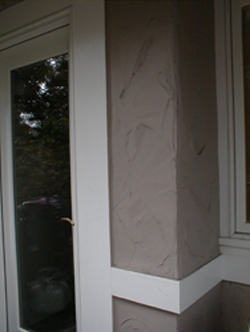
Painting New Stucco | New stucco and the right primer and paint make for a very long marriage. Photo credit: Tim Carter
DEAR TIM: I am going to paint the exterior of my stucco home early this fall. The stucco is seven years old and has never been painted. Is there a specific paint to use on bare stucco? I know to caulk the small settlement cracks, but what about the stucco that extends below the grade. Should I paint that as well? I have seen other paint low to the ground peel. I want to avoid blisters and peeling paint if at al possible. What finish paint would you use? John B., Columbus, NJ
DEAR JOHN: You are already on track for a first-class paint job without knowing it. Applying the paint in the early fall is a fantastic idea. The weather is often dry and the daytime temperatures are well within the acceptable high and low temperature limits that are published on the labels of virtually every can of paint. Furthermore, your productivity should be very high since the weather will be so fair.
Can stucco be painted?
Unpainted stucco or virtually any masonry material is well suited to paint. The rough texture of stucco, brick, concrete block, even stone provides lots of micro nooks and crannies where the paint can lock itself onto and into the surface. In essence, the paint and the stucco, or other masonry, become one and the same. In my opinion, there is only one finish paint I would use. I prefer exterior paints that have a blend of urethane and acrylic resins. I have used this type on my own home and the paint sticks like epoxy to my wood siding. This same paint will grab tenaciously to your stucco.
How long do you have to wait before painting stucco?
Since your stucco is seven years old, you have waited more than enough time to allow it to cure. Brand-new stucco needs to cure for several months before it can be successfully painted. This 90-day wait period allows sufficient time for the original mix water to liberate itself from the stucco. Much of the mixing water is needed to fuel the hydration chemical reaction that happens as the stucco gets hard over time. But any leftover water that remains in the stucco will cause fresh paint to peel and blister if it is not allowed to escape prior to painting.
CLICK or TAP HERE to get FREE quotes from local companies that can paint your house.
Does stucco need to be primed before painting?
You must prime your bare stucco before you apply a finish coat of paint. The primer you use should be matched to the exterior paint you choose to use. Each paint manufacturer will tell you on the label of their finish paint what the compatible primer is for a given substrate. For example, if the surface being painted is new wood, they may say to use oil primer or a water based primer. In your case, one manufacture may feel an oil primer is better than a water based primer. Avoid amateur chemistry! Do not buy a bargain primer and hope it will work. Only use the specific primer as recommended and manufactured by the finish paint company.
You should also read the instructions on the can of primer. They often tell you to apply the finish coat of paint within so many hours to achieve the best bond between the finish paint and the primer. It may not be a good idea to prime the entire house and then follow behind with the finish paint days later. You may have to work in sections where you prime one side of your home on one day and then finish paint it the following morning.
How do you prepare the house to be painted?
Be sure to wash the house down well with soap and water before you begin to paint. Wash it as you would your car. Use a firm brush on a pole to scrub the stucco with a soapy solution. Rinse well with a garden hose. If you are tempted to use a power washer, be very careful. They can damage a stucco surface and inject water behind the stucco where it touches up against doors and windows.
Dealing with the stucco at the base of the wall is simple. The stucco below grade will wick water up the wall. You want to create a strip of stucco where this water can freely evaporate to the atmosphere. I suggest that you stop the primer and paint about 1.5 inches above the current grade. A week after the paint job is complete, install some small decorative gravel around the house that slopes from the stucco down to the soil. You can find beautiful colored stones at landscape supply stores. A wedge of colored gravel will hide the unpainted stucco and provide a wonderful colored transition between the earth and your home.

Tim built custom homes and did ultra-custom remodeling for 20+ years before launching his Ask the Builder media presence. He was selected as one of the Big 50 by Remodeling magazine in 1993. This award gave birth to Ask the Builder in October 1993. Tim also operates https://DrawPlumbingPlans.com. His @askthebuilder YouTube channel was the first home improvement channel on YouTube.
New or unpainted stucco does not have to be primered if you are using Sherwin Williams Loxon exterior paint.
redone both gables of my house ild stucco of till the studs and all new stucco exterior wall gables when can i start prime and paint the exterior walls