Termites
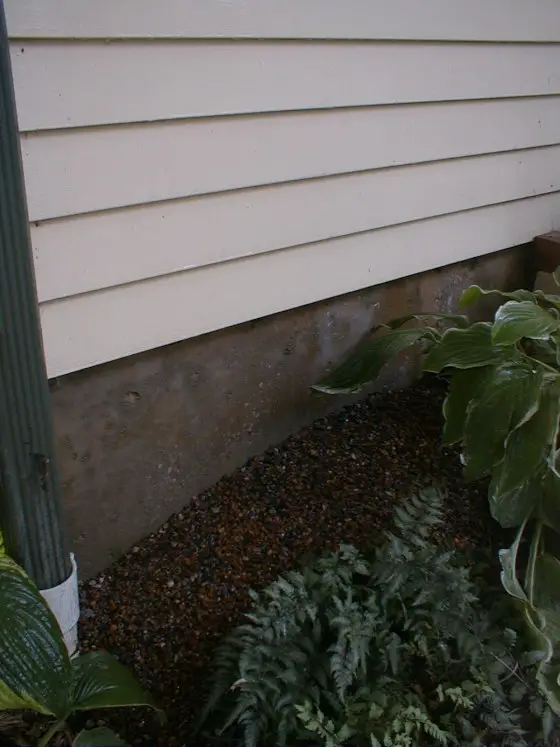
Termites | Many houses have vast areas of wood mulch that provides both food and cover for termites. Creating a decorative gravel barrier against a home might be a good idea. Photo by: Tim Carter
DEAR TIM: I recently purchased a home that has an inground termite colony elimination system. The property has been termite-free for the past five years. But I am an avid gardener and would love to install lots of wood mulch in the plant beds next to my home. Is this a good idea? Would it be better to have a band of decorative gravel that extends from the house into the plant beds? What would you do if it were your home? Coylie R., Schaumburg, IL
DEAR COYLIE: The first thing I would do is call the pest control company that is performing the periodic inspections of the inground bait stations. I would ask them if your planned gardening activity will in some way void the warranty that they provide. If they tell you it is no problem to dig and garden in the vicinity of the bait stations, be sure to get it in writing.
Do the colony elimination system work?
The colony elimination system you own is a great way to protect your home. But this system can contribute to a false sense of security if it is not maintained on a regular basis. The worker termites that wander from the nest to gather food for themselves and the rest of the colony do so constantly and randomly. A clever termite just might bypass a bait station and find its way into your home. To make matters worse, the existing termite colonies have reproductive termites that leave the nest each year to form new colonies.
But don't rest on your laurels. Even though you have been termite-free for the past five years, make sure you get one or two annual visits from a trained pest control professional. These people know how to keep your investment safe.
What is the decorative gravel concept?
I think the decorative gravel concept is a good, no great, one. The soil under the gravel layer may stay drier than if a smothering layer of moist mulch was on top of it. Foraging termites prefer wet soil over dry soil. Dry soil is simply too hard to tunnel through. Installing a layer of plastic under the gravel may also help to direct water away from the underlying soil. If you decide to put a plastic layer under the gravel, be sure the plastic slopes away from your foundation. You do not want to direct water against your foundation.
Termite infestation? Pick the best exterminator using my Termite and Carpenter Ant Checklist. I offer a 100% Money Back Guarantee.
What is the best slope around a foundation?
You also must be very vigilant when you start to garden and add mulch. Just today, I visited a home during a consultation meeting and discovered the homeowner had added so much mulch that much of the ground around his home actually sloped towards the foundation instead of away from it. This type of negative pitch can increase the water content in the soil around a home. It can also cause water leakage into a home.
A good rule of thumb for positive grade and pitch around a foundation is what I call the six-ten rule. I suggest you have a minimum of six inches of foundation stick up above the ground that abuts your home. Then the ground should start to slope away from the home at least six inches of vertical fall in the first ten horizontal feet of run away from the foundation. More slope is better but not always possible.
If you do not have this positive pitch, you may have to create it by removing soil the builder left behind. If you do decide to excavate and remove earth, be sure to check for buried utility lines and drainage pipes. You can rent powerful digging machines that will make the task a breeze. But unless you have lots of experience operating one, you can dig through a buried power line or gas pipe and never even know you hit a thing.
If you are building a new home be sure to talk about positive pitch with your builder. All too often I see homes that sit too far into the ground. In almost all cases had I been the builder, I would have had the top of the foundation 12 or even 18 inches higher than what the average builder installs.
You may think this looks odd, but when you use the dirt from the excavation and slope it gently away from the house, you achieve the same look but with excellent positive drainage.

Tim built custom homes and did ultra-custom remodeling for 20+ years before launching his Ask the Builder media presence. He was selected as one of the Big 50 by Remodeling magazine in 1993. This award gave birth to Ask the Builder in October 1993. Tim also operates https://DrawPlumbingPlans.com. His @askthebuilder YouTube channel was the first home improvement channel on YouTube.