Rehab – Home Restoration
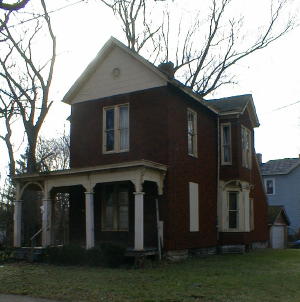
Rehab - Home Restoration | A house such as this one may look great from the street, but your mind looks past all of the defects and sees the finished product. Beware!
DEAR TIM: I am seriously considering buying an as-is fixer-upper home. The boarded-up house has been stripped of all plaster, fixtures and utilities. The price is very low and I have lots of free time and not enough money to buy a home that is livable. Is it possible for me to do much of the work myself, or will I be forced to hire professionals? I know of other people who have succeeded at turning a property around, so it must be possible. What are some of the biggest obstacles? Tricia A., Albany, GA
DEAR TRICIA: I started to answer your questions by telling you that you are insane to consider this venture, but I had to stop typing. All of a sudden, I had a flashback of a 23-year-old young man who had an infinite amount of ambition and energy, few tools and equipment and very little money. This same individual bought an old, abandoned home in poor condition and completely restored it, for a sizable profit, six months later. That person was me.
What is the biggest obstacle to home renovation?
The obstacles you face are many. Some are small and others may sap all of your physical strength and willpower. Perhaps the biggest issue in my opinion is money: Do you have enough money to finish the project? This project financing can be in the form of savings and a loan(s) of some type. Do not purchase this home until you are sure you have written commitments for all of the money. Traditional lenders may not welcome you with open arms as you are not a professional builder / remodeler. The lenders would consider you a very high risk. Grants and low-interest loans may be available through local or regional government programs.
How do I start a Home Restoration?
But how much money will it cost to turn this neglected property into one that is livable? It is not an easy question to answer. You start by making a list of each and every item you will need to make this shell into a finished product. Feel free to use your existing home as a model. For example, go room-by-room and look at all of the finished surfaces. You can calculate the number of sheets of drywall each room will require. You can determine the amount and type of finished lumber trim for each room. Doors, windows, finished flooring, hardware, etc. can all be identified fairly easily. Look at every surface and imagine what it needed to make it finished.
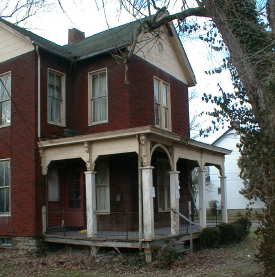
The exterior of this home could swallow $25,000, in 2003 dollars, in the blink of an eye.
Expensive items, such as kitchen and bath cabinets, countertops, plumbing and electrical fixtures, can also be priced out with relative ease. There are economy grades that are somewhat affordable that will work for you. Try to select fixtures that are user-friendly with respect to installation. For example, you may save lots of time buying and installing an acrylic tub and shower unit instead of buying an inexpensive steel tub and then installing ceramic tile around this fixture.
Because my new bride had a full time job, that brought in just enough money to pay our bills, I was able to work on my house 12 hours a day, seven days a week. Will you have this luxury? If not, small tasks that might take a professional a day or so could take you weeks of labor. Working on a house after putting in time at a regular job is fine for a month or so, but the added work starts to take its toll on your performance at both jobs.
Do some rehab projects need to be done by professionals?
I have seen people spend years trying to restore and remodel a house such as you describe. Your interest in the project may wane, and if that happens, you start to neglect the house that already has been neglected. Because of local laws and ordinances, some tasks you are thinking of doing may have to be done by professionals. It is not uncommon for a city to prohibit do-it-yourselfers from working with public water supply systems and sewage piping.
I would highly recommend that you try to find other people who have recently completed a project like this. Ask them if they would do it again. Ask them what surprises they encountered. Speaking of surprises, be absolutely sure you have a home inspector look at the house so a full list of defects can be compiled. You may have missed important structural damage, termite activity, lead and asbestos liabilities that can cost tens of thousands of dollars to remedy. Don't forget to assess the water service and sewage/septic situation at the same time.
How do you make sure you haven't missed anything before starting the home rehab?
The list of materials needed to restore a single family house can easily contain hundreds of items. It is imperative that you not miss many of these items. The room-by-room approach is good, but it must also include simple things such as electrical outlets, switches, cover plates, etc. Who would think there are nearly 30 parts or more just to install a circuit breaker panel? Think of all of the individual fittings needed to install all of the drainage and water supply piping in a home.
Certain tasks may require a professional. Heating and cooling equipment is very sophisticated and special tools, gauges, etc. are required to install it. Roofing work may be too intimidating for the average do-it-yourselfer. Certain cities or towns may only allow licensed people to install plumbing or electrical systems. All of these things need to be investigated, before you take the leap.
Column 498

Tim built custom homes and did ultra-custom remodeling for 20+ years before launching his Ask the Builder media presence. He was selected as one of the Big 50 by Remodeling magazine in 1993. This award gave birth to Ask the Builder in October 1993. Tim also operates https://DrawPlumbingPlans.com. His @askthebuilder YouTube channel was the first home improvement channel on YouTube.