Composite Deck
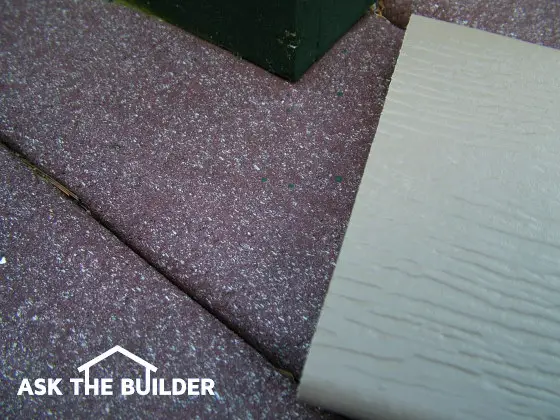
You can see the weather beaten gray wood fibers in this older composite deck. The new sample piece has a coating that shields the wood from the damaging effects of sun and water. PHOTO CREDIT: Tim Carter
DEAR TIM: Composite decking has been on the market for some time. A friend has a composite deck, but it looks shabby and faded. Were composites decks oversold with respect to performance? I’m tired of maintaining my wood deck, but am worried about what composite decking material to purchase. I did some research and discovered that there have been class-action lawsuits, some companies have gone out of business and other products have been pulled off the market by the manufacturers. What do you think is the best composite decking on the market at this time? Sandra G., Monroe, GA
DEAR SANDRA: There are thousands of consumers out there that feel your pain, and thousands more who are suffering because they have composite wood decking that doesn’t look at all the way it did when it was first installed. In fact, the house I’m in right now has a composite wood deck that was installed by the previous owner seven years ago. The finish is blotchy, the exposed wood fibers are gray instead of brown and it’s not the best looking deck by any means. But does this mean I would never have composite decking materials installed on one of my jobs or on another home? No is the answer. Get the right product and you’ll be happy for quite some time.
If you continue your research, you’ll discover that there are many manufacturers of composite deck boards and composite deck railing. Some might say that there are too many, and that we’ll see more companies disappear or get folded into the stronger brands. Be aware of this possibility, and that if you purchase a product that succumbs to market pressure, you may not be able to get replacement material or your warranty can be of little value.
Once you understand how composite decking is made, you can begin to understand why there have been failures and disappointment. It’s most basic form, composite deck boards are made by mixing wood fibers and plastic. It’s similar in some respects to concrete which is a combination of large and small stone, sand, Portland cement and water. The plastic in composite decking is the binder, while the wood fiber acts to provide strength. But be aware there are vastly different grades of plastic and wood fibers. If you start with low-quality ingredients, you end up with a substandard product.
But it’s even more complicated than that. Some of the past failures of composite materials has been traced to the fact that the plastic has not been able to encapsulate and soak into the wood fibers. Water in the wood is usually the demon. Water and plastic repel one another in the manufacturing process. What’s more, if water is in the tiny wood fibers, the plastic simply can’t get to where it needs to go. The top composite decking materials contain wood fibers that are as dry as the Atacama Desert, considered by many to be the driest place on the planet.
But even with the best wood fibers, the best plastic and the best manufacturing process, you can still get a product you might not be happy with. Many of the composite materials end up with exposed wood fibers at the surface. These will discolor over time, and they probably will rot away as they get wet.
One of the most interesting products I’ve seen lately is a composite decking material that uses lots of recycled plastics, high-quality bone-dry wood fibers and has a protective layer of embossed plastic that has a deep wood grain and completely covers the top and sides of the decking. This coating eliminates the possibility of exposed wood fibers and all the issues that go along with it. Because of it’s high amount of recycled plastic content, it’s perhaps one of the greenest composite decking choices you can make.
 Be aware that there is no such thing as maintenance-free decking. You’ll still have to wash your deck periodically to remove dirt and mildew. Often regular liquid dish soap and water will do the job. Be sure to always use the cleaner recommended by the decking manufacturer. If you have mildew problems, understand that trees surrounding your home release aerosol sugars that are food for mildew. Regular dirt and dust can also be food sources. Don’t blame the decking material if you have mildew, as it’s Mother Nature’s fault.
Be very careful when you make your purchasing decision. Not all composite decking products have the same density and strength. Some products can be easily dented with a hammer or incur damage from objects you might drop. I urge you to buy just one piece of all the products you’re thinking of using. Do your own drop tests using common things you might carry on your deck like a filled propane container, tools, etc. Drop them onto your sample pieces and see what happens. Pound the materials with a common hammer.

Cooking grease can be a real issue. If you have a composite deck that has exposed wood fibers, the grease can soak into the wood fibers. Use an oxygen bleach and warm water to get rid of these stains. The oxygen bleach will also remove the gray coloration from any exposed wood fibers if you own a weathered composite deck.
Read my Composite Deck Feedback article in the June 10, 2009 Newsletter. Barbara had a $31,000 decking error!!
Column 781

Tim built custom homes and did ultra-custom remodeling for 20+ years before launching his Ask the Builder media presence. He was selected as one of the Big 50 by Remodeling magazine in 1993. This award gave birth to Ask the Builder in October 1993. Tim also operates https://DrawPlumbingPlans.com. His @askthebuilder YouTube channel was the first home improvement channel on YouTube.
Does anyone have an opinion of who is the better manufacturer? I have hear Azek and Timber Tech. Any others that would be recommended?
I appreciate the article by Tim, however, it would be nice if the manufacturers were listed. We are currently in search of a decking material that will last. What composite brand is recommended? I read another article that said use hardwood, like Ipe, tigerwood, cumaru, or garapa, all of which I have never heard of and again it did not state where you could find this wood. I hope someone can help. Thank you in advance for your help.
Julie, Well, several things. If I did what you wanted, no company would ever buy a sponsorship. I'd be giving them what they want for free. I'm in the process of putting together exactly what you want and you'll just have to pay a modest fee to get all the links and more.
Hi Tim,
It's been 1.5 years since your reply... I've tried searching your site looking for this list.
Perhaps I have not been able to find it.... can you provide a link here?
Thanks!
What list?
I for one hate composite decking, no matter what brand. I've installed two and worked on and around a lot of others. For one thing, if you later damage a board, there is a good chance you will not be able to find a replacement piece, especially if a few years have passed since installation. Manufacturers move to new products and leave old ones in the dust. They also go out of business. If while building or afterward you drop a heavy object from any height over wastline, you're probably SOL, since very likely you will not be able to repair the impact damage. You will need to replace the entire piece; you can't sand that dent out! If for some reason you scratch it, ditto. If you drop something that stains it, ditto. If that piece happens to go under some other structure or is in any way difficult to replace, then the real fun begins.
Also, you know what usually gives out on a deck long before the decking itself? The underpinnings. You can have a composite decking that lasts a thousand years, but if your joists rot in ten, you're hosed. Put your investment into quality joists, perhaps topped with butyl tape or other forms of waterproofing and go with a conventional surface. Trust me.
I have always liked the look of composite decks. I recently had an estimate for a deck size 12 x 18, the cost was going to be $12,000-$15,000 Is this a typical pricing for composite decks of any material.
Mary,
It's impossible for me to answer your question. There are so many variables involved in how the contractor arrived at your price.
I suggest you get several more bids. Click the following link to get FREE & FAST bids from local composite deck contractors:
http://www.homeadvisor.com/ext/32182186
Hello. Is there a product that I can use to reseal my composite deck that is flaking?
If there is, I've never heard of it. How can a composite deck made from plastic peel? You should submit a photo to me via my Ask Tim link above or on this page and allow me to put it in this column so all can see what's going on.
Tim, I wanted to ask you if you had a preference on composite decking companies. Specifically, I see a lot of Trex and Timbertech in my area. Do you have thought on those 2 companies? Do you have others that are better? Thank you for your assistance.