Oil Spills on Pavement
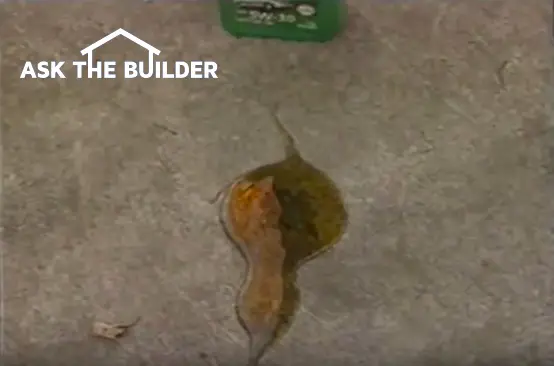
It is a wonderful feeling to get emails and letters from readers. They are a signal that folks actually read my columns. This column about removing oil stains from concrete generated a significant amount of traffic. People wanted to share tips and tricks they have used to also get rid of oil stains. It is really encouraging to get positive mail like this from people like you!
Service Stations
The next time you stop to get gasoline for your car look down at the concrete under your car. You may see an oil stain or two. In fact, you will probably see all sorts of oil. From time to time, people filling up with gas will also add oil to their cars. Some people have a better aim then others, and those that don't, leave a mess. Most filling stations have a supply of oil cleanup compound on hand. This is a product that is very similar to kitty litter. You broadcast it over the fresh oil spill and it absorbs it. If you then brush it around, it also cleanses the concrete to a degree. This product can really do a good job on fresh oil spills. Many automotive parts businesses sell this product. It is a good thing to have on hand.
The Alternative
Years ago, my mom taught me a little bit about chemistry. She showed me a relatively safe way to dispose of bacon grease.
If you let hot bacon grease cool, it solidifies. This is really bad on drain lines as the hot grease can cool quickly as you try to transport the grease to the sewer. But you can indefinitely keep the grease a liquid if you emulsify it. You do this by adding liquid soap and water to the warm grease. The soap surrounds small droplets of grease and does not allow it to congeal into a solid.
Car Oils are the Same
The lubricating fluids in a car motor oil, transmission fluid, power steering and brake fluid, etc. are all oils. You can emulsify these exactly like bacon grease. All you need to do is squirt some liquid dish soap on the oil spill and add water from a garden hose. Use a push broom or scrub brush to create the emulsion. It will not take much work at all. Rinse with clear water and the oil should be completely gone. If you do see the rainbow coloration in the water after rinsing you need to add more soap and scrub.
You Have Some Time
Don't panic if a visitor or delivery truck leaves an oil spot. You can get excellent results even if an oil spot is several days old. In fact, I have successfully scrubbed oil spots that were up to 30 days old. Warm water helps lift stubborn spots.
Beware Steel and Pressure
If you are trying to scrub concrete or blacktop, do not use a wire brush. These tools can permanently scar the concrete finish. Pressure washers also can erode concrete finishes. It may not happen the first time but periodic pressure washing sessions can and will erode concrete. You don't believe me? Then go visit the Grand Canyon. Guess what? The Colorado River water simply flows over the rock there. It is not high pressure!
Old Stains
These are the ones everyone has. Parking lots, garages, etc. can develop deep stains from years of neglect and lack of cleaning. The soap and water method works to lift some of the surface oils but it will rarely remove the entire oil deposit.
Concrete can really absorb oil. The oil can penetrate to a depth of one eighth or one quarter inch. Old oil also looses some of its lighter weight components and the oil gets thick. To remove it you almost need to re-liquefy it. This can be done using hydrocarbon based solvents like kerosene, paint thinner, etc. but it is EXTREMELY DANGEROUS. The fumes from these liquids can travel across a garage floor and be ignited by a distant spark. The fumes also can penetrate clothing and even your skin. You can become a human torch if something goes wrong.
If you try to use solvents to help remove the stain you need to ventilate the area and not work with any open flames. Use common sense. You can add small amounts of solvent and allow it to soak into the concrete. Scrub lightly and then blot the black liquid up with paper towels. It is a good idea to burn these paper towels later in the day. Do not just throw them away in the garbage! They can spontaneously combust.
Blacktop Drives
Oil spots on asphalt can only be cleaned with soap and water. Solvents WILL damage and erode the asphalt binder that holds together the sand and gravel components of blacktop.
What's more, oil drips alone will erode the asphalt over time. It takes a few months or years, but believe me, the dripping oil actually softens the asphalt. The key is to keep blacktop well sealed beneath parking areas. Do not over seal. Only apply asphalt sealer every 3 or 4 years or when you can see the actual stone color of the small aggregate. If you apply blacktop sealer every year, it will eventually begin to peel.
Preventative Measures
Is your concrete oil spot free? Do you wish to keep it that way? All you need to do is clean it and let it dry. Then apply any of a number of clear penetrating sealers that simply do not allow oil to soak into the concrete. These products are easy to apply and they are also affordable. If you live in a cold climate, you must pay attention to the label. The air and surface temperature need to be above certain minimums for these to work. Pay attention to these instructions or you may waste lots of time, effort and money.

Tim built custom homes and did ultra-custom remodeling for 20+ years before launching his Ask the Builder media presence. He was selected as one of the Big 50 by Remodeling magazine in 1993. This award gave birth to Ask the Builder in October 1993. Tim also operates https://DrawPlumbingPlans.com. His @askthebuilder YouTube channel was the first home improvement channel on YouTube.
An oil spill is the release of a liquid petroleum hydrocarbon into the environment, especially marine areas, due to human activity, and is a form of pollution. The term is usually applied to marine oil spills, where oil is released into the ocean or coastal waters, but spills may also occur on land.
How would you clean up a citrus solvent degreaser from new blacktop?