Mold Prevention When Building a Home
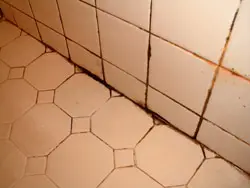
Mold Prevention is easy. This is gross mold growing on shower tile. It's pretty easy to stop this from happening.
Mold Prevention - You Must Keep Everything Dry
Mold is very akin to fire. To have a fire you need just three things:
- fuel
- heat
- oxygen
Oxygen is always present all around you and your home so you can't do much about that. The fuel for a fire is also everywhere. I don't think you want to sleep on a piece of steel. Imagine the inside of your home if you removed ALL the things that can catch on fire. That leaves one thing you can control: heat.
Mold is so similar. Here are the three things you need for active mold growth:
- mold spores
- food
- water
Mold spores are everywhere in your home. Forget about trying to clean them all up. Food is everywhere unless you're an extreme OCD person. I happen to know a few who take cleaning quite seriously. But think about water. You can control it to a large degree. Keep things dry, and your mold problems will disappear. Period.
Do Builders Know How to Keep Houses Dry?
Based on the email help requests I get, I would say many builders and subcontractors don't know how to keep a house dry.
If you have a skin in the new home building game right now, you must surely be acutely aware of the mold issues that are plaguing many new homes. There are many reasons why mold is growing where it should not be.
What is the Primary Reason For Mold Growth in New Homes?
In my opinion, the primary reason for mold growth is simply operator error. Many young builders, job superintendents, and sub-contractors do not have a crisp historical perspective of how homes used to be built. Many also do not treat their jobs as a vocation. Those craftsmen who have a true passion for building tend to avoid mold issues as well as other construction defects.
How Do Old Homes Help One Understand How to Keep a House Dry?
Before I started into the custom home building profession, I had the good fortune to work in the home remodeling field for nearly ten years. It was not apparent to me at the time, but I was getting educated each time I took apart a house to rehabilitate it or add a room addition. When you start to take the outside surface off a home, whether it be brick, stone, wood siding, stucco, etc., you soon discover how well the home was built. I have taken apart many 80 or 100-year-old homes that had no mold, mildew, or wood rot.
Are the Causes of Mold Obvious?
When I did discover mold, mildew, and wood rot in homes the cause of the problem was usually very obvious. Poor workmanship would allow water to saturate the wood used to build the structure of the home. Here are a few of the primary causes:
- Young roofers who think caulk will seal flashings
- Young and old bricklayers who don't follow BIA flashing best practices
- Young and old carpenters that don't know how to flash windows and doors
- Young and seasoned architects who ignore historical design best practices that help keep water from homes
WATCH these two videos to see the right way brick should be flashed. Less than 0.1 percent of houses have this flashing.
Undoubtedly other builders before me had seen the same thing and figured out that if you keep wood dry, it simply does not promote the growth of fungi that we see as mold, mildew and wood rot.
Does Felt Paper Help Keep a House Dry?
Traditional asphalt-saturated felt paper is a wonderful product to help keep a house dry. It can be found on hundreds of thousands of older homes.
You may wonder what sets those homes apart from the mold-stricken ones you see in the news. One of the significant differences between many of today's new homes and those your parent's grew up in is simply tar paper.
Where Was the Felt Paper Placed To Stop Mold and Wood Rot?
Older homes that had exteriors made of wood siding, fiber cement, stucco, etc. had a weather-resistant layer of tar paper sandwiched between the wood framing and sheathing and the finished surface exposed to the weather. When water got behind the exterior surface, the waterproof tar paper would shield the wood from getting wet. By carefully overlapping the tar paper both vertically and horizontally, any water would be escorted back to the atmosphere.
Do Metal Flashings Help with Mold Prevention?
Yes, metal flashings do help with mold prevention. They capture water and redirect it back outside.
In addition to the tar paper, metal flashings were common on top of windows, doors and other distinct horizontal breaks in the outside building materials. These simplistic flashings served one purpose. They would capture water that got behind the exterior surface and then redirect it back to the exterior of the home where it could continue its journey into the soil around the home. Flashings are simple to install and made from inexpensive pieces of aluminum, tin or galvanized metal.
What is the Trick to Stop Wood Rot, Mold, and Mildew?
The real trick to stop wood rot, mold and mildew is to create an air gap between the exterior skin of your new home and the structure behind the skin. The structure must have a waterproof membrane such as traditional asphalt saturated felt paper or one of the newer air and water infiltration membranes.
WATCH THIS VIDEO TO SEE THE AIR GAP:
Once installed, vertical furring strips made from ACQ treated lumber can be nailed to the solid studs behind the felt or membrane. The thickness of the strips can be as little as one quarter inch and up to one half inch. The wood or vinyl siding, stucco lath, etc. are then nailed to these wood strips. Long nails must be used so that the fasteners eventually travel into the wood studs in the wall.
CLICK or TAP HERE to get FREE quotes from local companies that can treat your mold.
Should House Siding Extend Over the Top of the Foundation?
Be sure the strips extend down past the top of the foundation at least one and one half inches. Galvanized hardware cloth that has one eighth by one eighth inch spacing needs to be fastened to the bottom of the vertical strips so that insects can't get up into the void space behind the outer skin of your home. This heavy screening will last as long as your home and will be hidden by the outer finish material that you and all of your neighbors will look at each day. The hardware cloth must lap up behind the furring strips, then span the gap and finally lap over the top of the furring strips to make an effective barrier.
Does an Air Gap Allow a House to Breathe?
The air gap your builder creates will allow your house to breathe. There are other products that help create this same space and your builder may find them to be more cost effective. It is my hope that the building code officials will eventually mandate this to be a required item on each new home built. Doing this is smart, easy and is a great thing for the health and well being of everyone.
Column NH008

Tim built custom homes and did ultra-custom remodeling for 20+ years before launching his Ask the Builder media presence. He was selected as one of the Big 50 by Remodeling magazine in 1993. This award gave birth to Ask the Builder in October 1993. Tim also operates https://DrawPlumbingPlans.com. His @askthebuilder YouTube channel was the first home improvement channel on YouTube.