Choose the Right Garbage Disposal
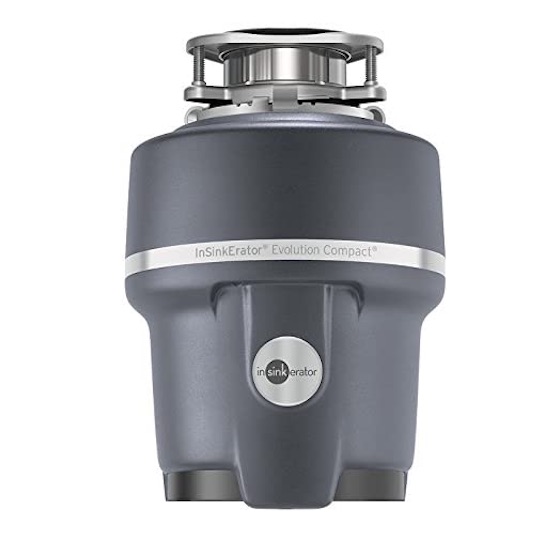
People who are in the market to build a new home often spend weekends touring model homes. A typical model home has been professionally decorated and furnished. In fact, some contain down-sized furniture that make rooms appear larger than they actually are. But that is not the purpose of this column. The flashy and attractive decorating schemes often prove to be distracting when it comes to some of the functional aspects of a new home. For example, when was the last time you opened up a kitchen sink base cabinet to inspect the size and type of garbage disposer?
Are you guilty of garbage disposer disdain?
Many people are guilty of garbage disposer disdain. After all, think of the horrible job relegated to the lowly disposer. It grinds up garbage. Many people look at the gaping black hole in their kitchen sink and wonder what lurks in that forbidding cavern. To make matters worse, many homeowners have never been trained how to properly operate garbage disposers.
Are all garbage disposals the same?
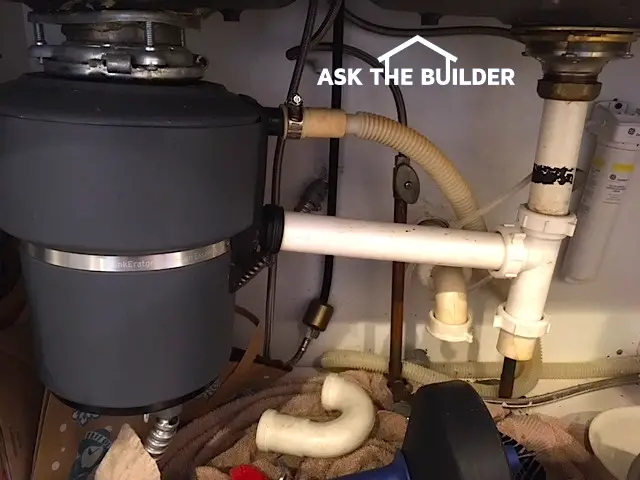
The first thing you should realize is that disposers come in all different sizes with many different features. The strainer basket you see in the bottom of the sink is perhaps the only thing disposers have in common. The actual disposer connects to the strainer underneath the sink. During your next model home tour, open up the sink base cabinet and take a peek. You might be surprised by what you see.
What size motor should you get?
Many builders install a low-cost builder grade disposer that has a 1/3 horsepower motor. The disposer works and works well, but it is not one meant to last for many years. Deluxe disposers come equipped with 1 horsepower motors and stainless steel inner components. Stainless steel is a perfect choice when it comes to plumbing drain equipment as it will never rust. Some of these disposers are equipped with an auto-reverse function that dislodges jams and extends the life of the motor by preventing armature overheating.
There are many disposers in between the entry level 1/3 horsepower model and the deluxe stainless steel model that is rocket propelled. If you plan to build in the country and your drain lines will connect to a septic tank, you can purchase a special disposer that squirts an enzyme solution into the disposer to help break down the waste in the septic tank.
What does a disposer do when turned on?
In my opinion, people have problems with disposers because they don't understand what happens during and after the disposer is being used. When you insert garbage into the disposer and turn it on, the motor begins to grind up the waste. The grinding action is aided by running water into the disposer as it operates. The disposer creates a slug of sludge in your disposer and the drain lines and the running water starts to transport this sludge into the drain lines.
When should you turn off the water?
Most people listen to the sound of the motor to tell them when the waste has been completely ground up. The pitch of the spinning motor tends to increase as the garbage is ground up. All too often people will turn off the switch to the disposer and then immediately turn off the running water in the sink. This is not a good thing to do. Some of the sludge the disposer created moments before may still be in the drain line leading from the disposer to the fixture trap beneath the sink.
A much better plumbing practice is to let the water in the sink run for at least 15 seconds after you turn off the disposer. This allows an additional 16 to 32 ounces of water to flow into and out of the disposer to help push the sludge towards the city sewer or the septic tank.
When is the best time to use the garbage disposal?
The best thing to do is to time the use of the disposer just before you fill the sink with water to clean pots and pans. If you are able to fill the sink with water, even just half-full, and quickly pull the sink stopper out so the water rushes into the disposer all at once, you will get a flush similar to what happens when you trip the flush handle on a toilet.
This vast amount of water rushing into the disposer does several things. It fills the disposer with water and helps to flush the sides of the machine. The drain line leaving the disposer is also filled completely with rushing water. This moving water scours the sides of the drain pipe removing any of the sludge that was created moments earlier.
Disposers can provide years of trouble-free service if you just buy the right one and use a little common sense when operating it. Always try to create a mental picture of what the garbage looks like when you flip the switch. On second thought, don't do that!
Column NH038

Tim built custom homes and did ultra-custom remodeling for 20+ years before launching his Ask the Builder media presence. He was selected as one of the Big 50 by Remodeling magazine in 1993. This award gave birth to Ask the Builder in October 1993. Tim also operates https://DrawPlumbingPlans.com. His @askthebuilder YouTube channel was the first home improvement channel on YouTube.
Hey Tim, two things... maybe three. First thank you again for your help a few years ago on a deck project you helped me with. When my friend sold his house this year, there were positive comments on the structural reinforcement done. Second, reading past posts you have some positive feed backs on garbage disposals. Never having one in any apartment or home I've owned they don't seem like a big deal. So, Third: I'm finally doing a major kitchen remodel in my home and have had discussions with friends as to whether to add one at this time... their arguments go towards resale which, I don't plan to do anytime soon. What is your advice, to add or not to add the question may be? 58 yo single guy, no wife, I do like to cook and entertain.
Which direction do the blades spin when the disposal is running? Clock wise or counter clock wise?