High Quality Drywall
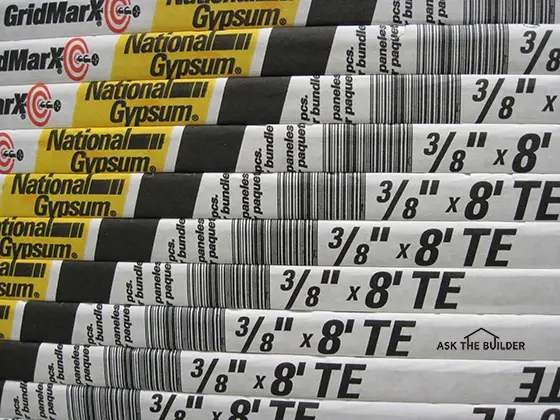
I can't even imagine a volume builder's salesperson talking to you about options with respect to drywall. Even a custom builder might skip over the subject of drywall. A vast majority of consumers and builders consider it a commodity item. The truth be told, it is.
You have all sorts of possibilities when it comes to the walls in your new home. If you are a baby boomer moving into an empty-nester home, there is a great chance you grew up in a home that had real plaster. Plaster, when painted, looks identical to most drywall surfaces. Both are smooth and both accept paint or wallpaper very well.
What are the differences between plaster and drywall?
However, there are two major differences between plaster and drywall. Plaster is a product not much different than concrete. Once dry and cured, plaster can develop a compressive strength of more than 2,000 pounds per square inch. Drywall does not even come close to this number. Try to push a thumb or fingernail into the white coat of a plaster job and you will bend or crack your nail. Do the same in drywall and I guarantee you will make a mark in the tender face of the drywall surface.
Older homes built with plaster walls are typically more soundproof than those built today with the common one-half inch drywall surface on each face of a stud wall. The old plaster was heavier and denser and as such, required more sound energy to get it to vibrate.
Can you still get a veneer-plaster finish?
The good news is that plaster surfaces are still available in residential construction. Veneer-coat plaster is spread out and finished over large sheets of drywall. This drywall is very similar to regular drywall but it is covered with a special blue paper. This paper contains additives that inhibit the water in the wet plaster from damaging the drywall's inner gypsum core. Yes, it costs more to have a veneer-plaster finish. But if you intend to stay in your new home for a long time, it may be well worth the investment.
If you can't afford plaster, you or your builder should call your local drywall distribution business. You will be shocked to discover there are different types of drywall available. Some institutional and commercial drywalls have characteristics that make them act like plaster. These special drywalls might be in order in certain rooms that you suspect might get more abuse than others.
Will thicker drywall take more abuse from the kids?
Ultra-tough drywalls might be a great idea in a small child's room where toy trucks and planes routinely crash into the wall. Maybe your husband is like me and regularly starts mass rumbles with the kids during which bodies playfully roll into walls.
Another option may be to install a thicker drywall. The most common drywall used in new homes is one-half inch thick. Your builder can just as easily order 5/8 inch thick drywall. It is slightly more difficult to hang because of its weight, but once hung and screwed to the studs, all other things are equal. This thicker drywall will take a little more abuse than one-half inch thick drywall. Your builder will have to order custom door and window jambs if you decide to go this route.
You can also have your drywall finisher apply very unique acrylic plaster compounds over regular drywall. The actual style and texture of the finish is only limited by your imagination and the skill level of the finisher. Old brooms, ragged sponges, random trowel strokes, etc. can be combined to create a unique distressed look in several rooms. If these walls and ceilings are then painted with a colored base coat of paint and then coated with a complimentary color of glaze, the look is breathtaking.
Talk to your builder and give some thought to how those flat wall and ceiling surfaces in your new home can be upgraded to provide you with benefits you may have overlooked. I can assure you my next new home will have veneer coat plaster. Since my kids will be too old to rumble, I will not have to worry about damaging the wall - or separating a shoulder. On second thought, I may have to worry about my grandkids!
Column NH040

Tim built custom homes and did ultra-custom remodeling for 20+ years before launching his Ask the Builder media presence. He was selected as one of the Big 50 by Remodeling magazine in 1993. This award gave birth to Ask the Builder in October 1993. Tim also operates https://DrawPlumbingPlans.com. His @askthebuilder YouTube channel was the first home improvement channel on YouTube.