Install Tile Over Cracked Concrete Floor
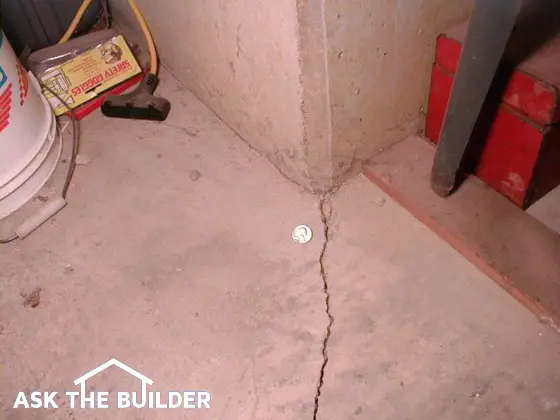 Install Tile Over Cracked Concrete Floor - Use a Membrane
QUESTION: I’m about to install ceramic tile on a concrete floor of a 40-year-old house. The concrete floor has cracks in it. This is a DIY endeavor and I don’t have the extra money to install the expensive membrane that I should use. Are my new tiles going to crack? What would you do? What about grouting the tile? Sarah H., League City, TX
Sarah’s got spunk. I applaud her spirit and she can have success if she does a few simple things. There are different crack-isolation membranes that uncouple the tile from the actual concrete slab. She might price all of them to see if there is one she can afford. Here's the industry standard, but it's fairly pricey:
Crack Isolation Membranes - Consider Affordable Felt Paper
There’s not a doubt in my mind that the new tile will develop cracks directly on top of the cracked slab if no membrane is used. Since Sarah’s budget is tighter than a banjo string, she might take a chance using two layers of 30-pound felt paper. This is a very affordable material and while I’ve never used it as a tile crack-isolation membrane, I feel it’s got a fantastic chance of performing quite well.
What About Filling Wide Cracks?
If the cracks in the slab are wider than 3/16 inch, I’d first try to bond the concrete together using a high-strength epoxy you can inject into the crack. This will go a long way to prevent future cracked tile. Here's a fantastic concrete-crack epoxy I've used with great success:
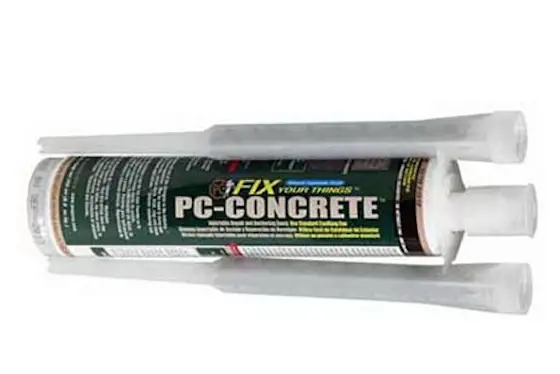
This is a wonderful DIY foundation repair epoxy. I've used it with great results. CLICK or TAP HERE or THE IMAGE TO ORDER IT NOW.
How Do You Install the Felt Paper?
I’d then install the felt paper just as you would one of the fancy membranes. This requires a bed of thinset adhesive that you then cover with the first layer of felt paper. Smooth the felt paper using a rented linoleum roller. Be sure to install the felt paper so it crosses the cracks at a 90-degree angle if possible.
I’d then install the second layer of felt paper over the first layer at a 90-degree angle. I’d not install any thinset between these two layers. The weight of the thinset under the tile and the tile itself will press this layer against the first layer.
Once the tile is installed, Sarah should go to my AsktheBuilder.com website and watch my four-part video series about how to grout ceramic floor tile. She’ll get professional results with a minimum of practice.
Column 1372B

Tim built custom homes and did ultra-custom remodeling for 20+ years before launching his Ask the Builder media presence. He was selected as one of the Big 50 by Remodeling magazine in 1993. This award gave birth to Ask the Builder in October 1993. Tim also operates https://DrawPlumbingPlans.com. His @askthebuilder YouTube channel was the first home improvement channel on YouTube.
What size tile is she putting down? If is large 12"x12" tiles, the surface must be flat, low spots filled in. When mixing the thin set mortar, use a Latex additive. The additive provides some flexibility if the concrete shifts ever so slightly. It also sticks to everything it comes in contact with so wash off with a damp sponge immediately. It also sets quickly, only mix and use 5 minutes worth at a time, that is, mix, trowel and set tile. If any of the mortar comes through the grout joint, wash it off immediately. With smaller tile, say 2"x2", flatness is not as critical. The size of the tile will determine what size notch trowel to use, small tile 3/16, large 1/4 to 3/8.
I have used RedGard by Custom Building Products.
It's not as expensive as the Schluter yet is an isolation and vapor membrane depending on application. I recently used it on my enclosed concrete floor patio after grinding the surface for preparation prior to installing bluestone. I don't like to take a chance with unproven methods like the felt paper that you suggest although I think it's clever and may work. Ice and water shield may also work but are more expensive.
Wait! Thin set tile to a layer of felt paper that is not adhered to the first layer of felt paper that is adhered to the concrete floor? Sounds like a disaster waiting to happen. One good thing is that the tile will be easy to remove!
Max, engage those critical-thinking skills God gave you! If the concrete slab is stable why would you think the tile would come up? You don't see other floating floors become a disaster. Gravity is pulling the tile to the floor and for a tile to come up it would have to rip the top layer of felt paper and lift the adjacent tile. Have you ever tried to pull up a single tile in a grouted floor with your hands? Explain why you feel this is a disaster?
Would you apply the felt paper over the entire floor or just over the crack itself? I’m assuming the entirety of the bathroom floor.
The entire floor.
I think the epoxy idea would be better than the felt paper layers. Generally, the epoxy would become stronger than the slab itself. Such can not be said about the felt paper. However, an isolation membrane is a different method for perhaps solving the same problem.
How about an alternative? Using a luxury vinyl tile system that mimics ceramic? It appears her install could be in a basement viewing the concrete walls in the corner. Using a very good quality LVT system would be easier; it looks as classy, and it is
also easily removed - especially if there would be a flood. Again, however, it may well survive a flood.
Every month if not moreso there is an increasing number of options and styles of LVT in many shapes and sizes.