Light Bulbs and Color Temperature
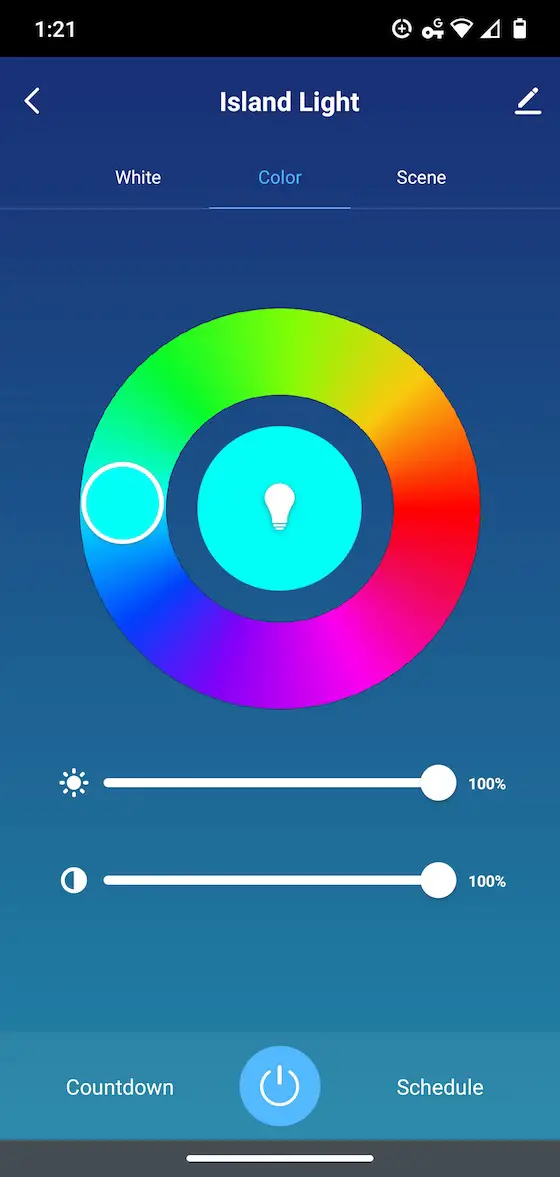
Color Temperature and Light Bulbs | A light bulb can be made to look any color, but even when it seems like it's creating just WHITE light, it can create odd colors in your home.
Color Temperature - The Sun Creates Perfect Color
DEAR TIM: I was recently involved in a dispute between a paint store and a carpet store. We attempted to match expensive wallpaper with carpeting. In the showrooms, everything looked fine. In my house, the colors are not right. The colors even change in daylight. What in the world is going on? The problem is not in the dyes. Could the problem be in my eyes? V. E.
DEAR V. E.: I don't think the problem is in your eyes. Believe it or not, the problem most likely has its source in the light bulbs used at the wallpaper and carpet stores as well as your house. Light bulbs, both fluorescent and incandescent, can affect the color rendition of an object. A simple bulb change at your house may solve this complicated problem.
Light Bulbs Produce Different Colors
Different light bulbs actually produce different colored light. This color is often referred to as the bulb's color temperature. It is actually measured in degrees on the Kelvin (K) scale. Heat an object sufficiently and it will give off light. As the object gets hotter its color will change and imitate a rainbow. First, it glows a cherry red. Further heating causes it to glow orange, yellow, white, and eventually blue. You can demonstrate this, to a degree, with an electric stove burner. You absolutely can see this if you heat a piece of steel in a blacksmith's forge. Steel can go from cherry-red to white-hot just before it melts
Cool and Warm Bulbs
Quite possibly you are familiar with traditional cool white and warm white fluorescent light bulbs. The words cool and warm refer to the feeling that the light produces. The warm fluorescent bulb produces a reddish orange warm light (3,000 degrees K). A cool white fluorescent bulb burns with a bluish tint similar to ice. Its color temperature is very nearly 4,100 degrees K. In comparison, a regular incandescent bulb produces light at 2,750 degrees K. It just so happens that human skin looks best at that color temperature.
Color Changes During the Day
To make matters even more confusing, the color temperature of natural sunlight changes through the day. In the morning and at sunset, natural sunlight is in the 2,500 - 3000 degree K range. That is why the Grand Canyon and fall trees look so brilliant in the morning and afternoon sun. Conversely, at high noon, normal sunlight is very near 6,000 degrees K. That is why evergreen trees (green) and water (blue) look so good in brilliant sunlight.
More Confusion - Color Rendering Index
It gets worse. Two bulbs that burn in the same temperature range can produce yet different colors! This is especially true in fluorescent bulbs. Back in the 1930s, lighting experts created a color rendering index (CRI) to compare how a bulb affects the true color of an object. The scale goes from 0 to 100. Bulbs with a high rating on the scale (80 or above) produce excellent color rendition.
Look at the Bulb Label
Legislation that went into effect November 1, 1995 was created to help you with this color issue. Light bulb manufacturers are now required to produce fluorescent and some common residential reflector incandescent bulbs that meet minimum Federal efficiency and/or CRI requirements. Look at the bulb labels for information that will allow you to easily determine how well a light bulb will perform. Good luck!

Tim built custom homes and did ultra-custom remodeling for 20+ years before launching his Ask the Builder media presence. He was selected as one of the Big 50 by Remodeling magazine in 1993. This award gave birth to Ask the Builder in October 1993. Tim also operates https://DrawPlumbingPlans.com. His @askthebuilder YouTube channel was the first home improvement channel on YouTube.