Label Electrical Wires
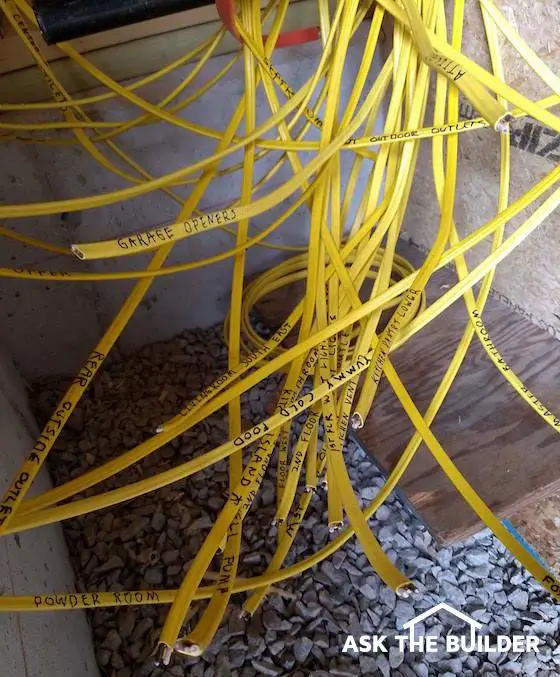
Label Electrical Wires | You can use a simple Sharpie to label wires. These labels will help you label each circuit breaker correctly. Copyright 2019 Tim Carter
Label Electrical Wires - Have Some Fun Be Reasonable
Read more of this story in Tim's May 5, 2019 Newsletter.
It's a good idea to label electrical wires. Here are a few reasons why you should do it:
- labels help remind you how to name circuit breakers
- labels help you know what wire is which in an attic or crawlspace
- labels help you when you tear into a wall years from now
It's important to realize that you may know where a wire goes the day you installed it, but you may not remember a week, month, or year later. Simple labels at critical locations where a wire is visible may help you trace a circuit saving you lots of time.
Label Wires and Smile
It is possible to have a little fun and lower your stress as you label electrical wires. Here are a few examples. Let's see how smart you are. Place your answers to the questions in the comment section below:
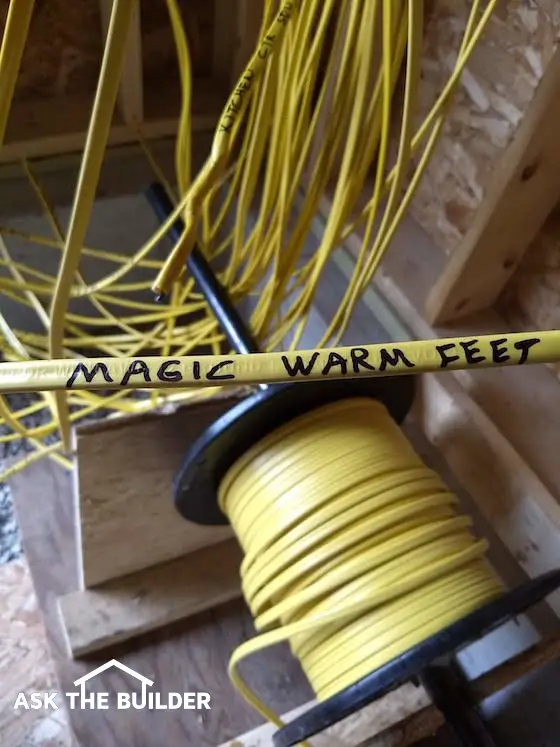
Can you guess what will be powered by this 12/2 wg NMB cable? Copyright 2019 Tim Carter
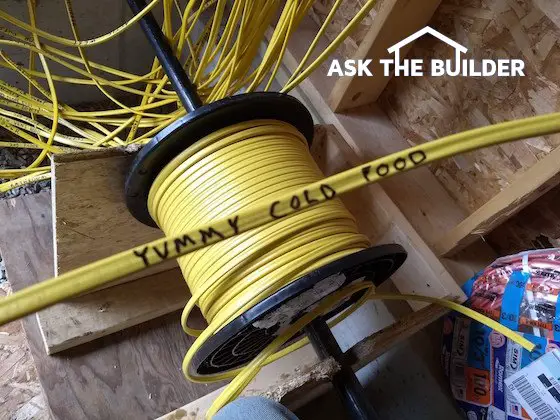
This is an easy one. The National Electric Code requires this machine to be on a separate 20-amp circuit. Copyright 2019 Tim Carter
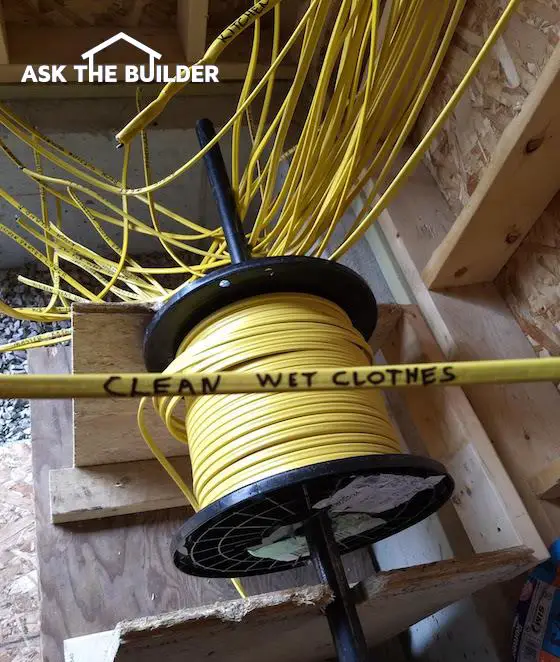
Yes, here's another no brainer. Once again, you need to put this machine on its own dedicated circuit. Copyright 2019 Tim Carter
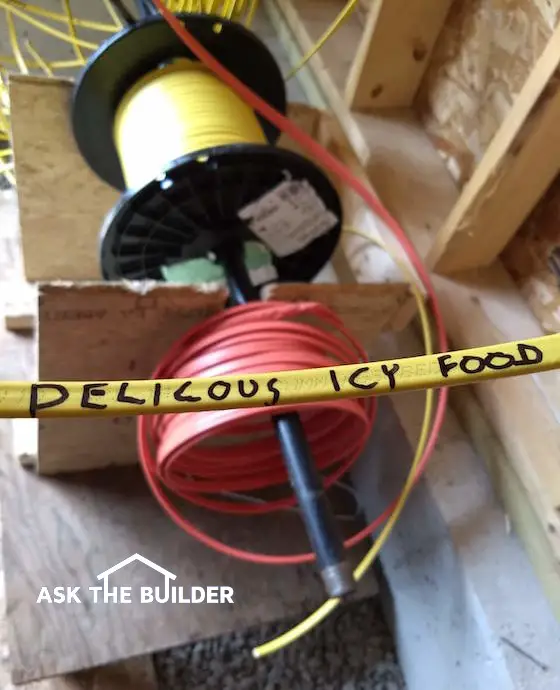
I'm sure you can figure this one out, but don't guess too fast! What does it take to create ice? BONUS POINTS: Do you know what that small spool of orange cable is for? Put your answer in the comments below. Good luck! Copyright 2019 Tim Carter
Fire Foam Sealant For Cables
The building inspector in your city or town may not require you to use a special foam to seal the holes in bottom and top wall plates through which electric cables pass. It's a VERY GOOD idea to use this product to stop the spread of fire in homes. It also stops cold air drafts too.
Here's the fire foam sealant I'm using on my daughter's new home:
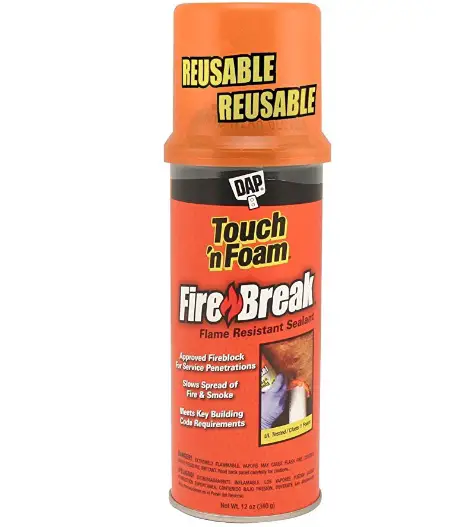
This is fire foam sealant. It's easy to use and stops the spread of fire between floors. Copyright 2019 DAP CLICK or TAP HERE to have this foam delivered to your home.

Tim built custom homes and did ultra-custom remodeling for 20+ years before launching his Ask the Builder media presence. He was selected as one of the Big 50 by Remodeling magazine in 1993. This award gave birth to Ask the Builder in October 1993. Tim also operates https://DrawPlumbingPlans.com. His @askthebuilder YouTube channel was the first home improvement channel on YouTube.
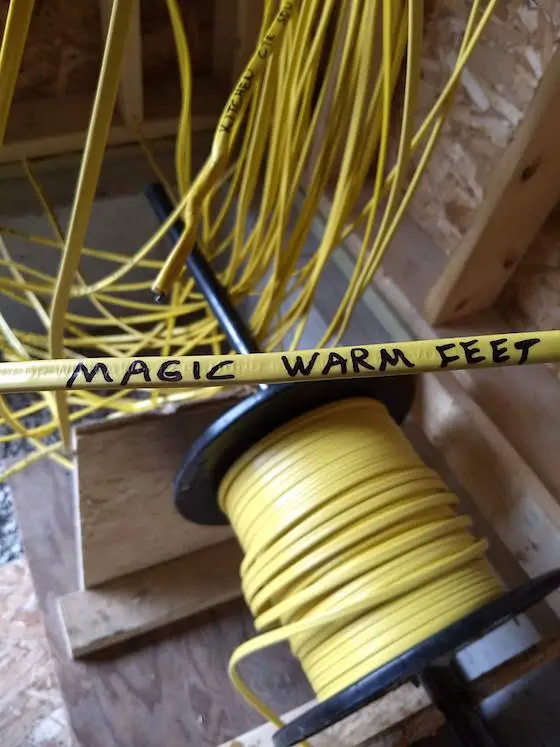

Radiant floor heater, refrigerator, clothes washing machine, deep freezer. Add for the orange wire, that's 14 gauge wire, and I'm going to guess it's for the lighting circuits maybe? But then again you mentioned 12/3 for your multi-switched lighting, so I'm not certain.
Bathroom floor heat
Close, but no cigar! You can have toasty warm feet all over the house, not just the bathroom. 😉
Orange pull string?
Art,
It's time for you to get out and visit more of the jobs you draw. 🙂 Get there after it's wired but before insulation and go to where you might wash clothes for the answer. Realize the outer covering on all NMB cables is now color coded to help inspectors as well as apprentice eletricians.
Tim,
An additional benefit of the foam is to eliminate places for bugs & spiders to hide or travel to and fro.
Is the orange cable for three-way switches?
You could use it for that, but it would be a very powerful switch!
My first guess was a wire used with buried plastic pipe since plastic might not show up when doing a scan for buried lines. My other guess is that it is low voltage thermostat wire.
Jeff
Orange wire is orange so 10ga. Looks flat so 10/2 which would be up to 30amp. It would have an extra wire if the dryer. Electric range or hot tub most likely would be 50amp. I'm going to say A/C compressor
10 ga wire for hooling u[p the clothes dryer.
The orange-colored wire sheathing is set aside for 10-gauge wire. It is able to handle 30-amp circuit loads. These loads include air conditioners, water heater feeds, and any other 30-amp loads.
Taken from https://www.thespruce.com/nonmetallic-cable-sheathing-color-1152905
Should have also added for 30 amp circuit. Sorry about the typo's in previous comments. (hooking up)