Treated Lumber Cracking
Treated Lumber Cracking - STOP Cracks By Using Great Sealer Below
Treated lumber cracking happens because water soaks into the wood. The wood swells creating stress within the wood's cellular structure. When the water evaporates, the wood shrinks. This movement causes tension forces that start to tear the lumber apart.
The cracks you see are the visible signs of this tearing apart of the wood fibers. This is why wood is classified as a hygroscopic material.
How Can I STOP the Treated Lumber Cracking?
You stop cracking by keeping water out of the lumber. I do this using Cabot Australian Timber Oil. Please purchase it using the link below since I'm helping you save your treated lumber. Thank you in advance. You can also reciprocate by subscribing to my FREE newsletter.
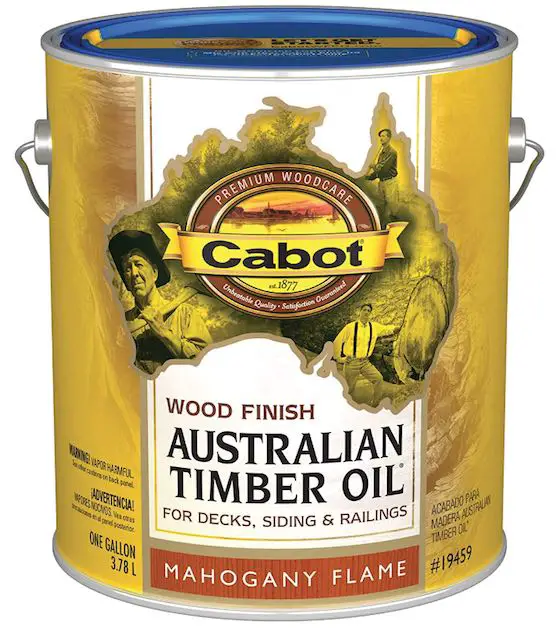
CLICK or TAP HERE or the can to have this delivered to your home. This is the product I use on my boat dock that gets punishing sun and weather.
Why Do The Cracks Get Deeper and Wider?
The cracks get deeper and wider because they allow water to soak deeper into the wood. This acts like a wedge splitting apart firewood.
If the Wood is Cracked, Should I Fill It?
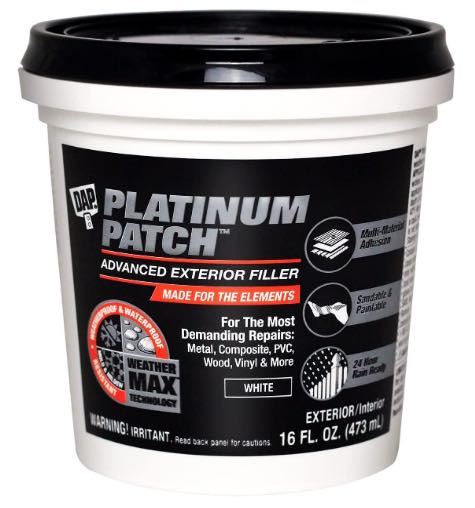
Yes, you should fill and sand the wood cracks before sealing the wood. Use this premium exterior wood filler:

Tim built custom homes and did ultra-custom remodeling for 20+ years before launching his Ask the Builder media presence. He was selected as one of the Big 50 by Remodeling magazine in 1993. This award gave birth to Ask the Builder in October 1993. Tim also operates https://DrawPlumbingPlans.com. His @askthebuilder YouTube channel was the first home improvement channel on YouTube.
I have used the cabot stain and it works great and looks great. Has been on the deck for 3 years and still looks new.
But Tim, what happened to your long-running experiment with stains? We had a stain and finish specialist tell us that he did not think treated lumber decks *must* be stained or painted. In fact, he stripped off his own deck because he was sick of having to redo every couple years!
So what kind of product is this, and what happens to it over time? How often does it need to be reapplied?
The stain test is in my shopping cart. The specialist only specializes in ignorance I'm afraid to say! I'm guessing that it's got a three-year life due to what I talk about in my Roofing Ripoff book - UV photon torpedoes!
No, my point was that it's not clear what type of finish this is. Most of the ingredients are oils, but it appears to be a sealer with color. How does that relate to the "stains" you tested before? Is it something else?
I'll have to disagree about our wood finish expert. He was like Batman, a genius with finishes.
Tim, no, didn't buy your stain report, but I did read comments you made and had the impression I had figured out what the results were. Seems you indicated the the oils were feeding the living beings that harmed the wood. Seems you were in favor of synthetic stains as they didn't act as food. Did I get that wrong? Is there sometning special about the oil stain you show here?Doug
Simple. Read ALL of my past deck sealer columns. All the answers you seek are there.
Thought I posted a response earlier and must not have worked.
I did not buy the stain results, but I did keep up with the story line and from what I got from it, you said that oil stains fed the living organisms that deteriorated the wood. You showed favor to the synthetic stains and that made me believe that you favored those as they did not feed the organisms. Is that correct? Why doesn't this oil stain feed the bad fungus, bacteria, mold or whatever?
Tim, can you paint treated lumber? I had a friend who said that you shouldn't ever paint as it traps moisture inside the wood which causes it to rot more quickly.
Your friend is so wrong. Engage your critical-thinking skills for goodness sake!!! Does PAINT TRAP moisture in house siding and trim? If so, ALL WOODEN HOUSES FOR the PAST 200 YEARS would be rotted out.
Tim, thankyoumuch for the demonstration & explanation of cracks (checking?) in PT lumber.
1) Have you compared TWP Oil Stain to the Cabot product?
2) I've been asked to evaluate this exact problem for a PT 2x6 deck installed in Jan 2024 then covered with a Sherwin Williams solid stain in April 2024 that is cracking etc. I have to confirm whether the stain was delayed to let the "wood dry out"!
Appreciate any insights what to advise the home owners