Deck Sealer Test Results
Deck Sealer Test Results TIPS
- Treated wood is destroyed by the sun's UV rays - water causes cracks
- Cheap deck sealers contain natural oils that are food for mildew and algae
- WATCH deck cleaning video below for BEST method and cleaner
- Synthetic resin sealers that penetrate and DO NOT create a film are best
- opens in a new windowCLICK HERE to Get Tim's FREE & FUNNY Newsletter!
I've been using deck sealers for decades. Many failed fast.
I decided to do my own TEST to find the best one.
But before you get to the test results I feel it's important for you to know WHY deck sealers fail.
Once you understand that, you'll be in a better position to get the BEST ONE.
Treated Wood Is Lowest Cost
The number of treated wood decks, fishing piers, play sets, furniture, etc. is growing each year. Untreated wood, as we all know, will readily rot and degrade when exposed to sunlight and water.
I remember twenty years ago when CCA lumber was introduced. It was marketed as the wonder product! Everyone offered a lifetime guarantee.
You could install it and never do another thing. Well, they were wrong. Soon it became apparent that the CCA chemicals did stop wood rot, but did little to inhibit water absorption and degradation by the sun's ultraviolet (UV) rays. You can bet that the coatings (paint) industry was beaming about this failure!
Free & Fast Bids
Linseed, Tung & Vegetable Oil
The coatings industry responded to this need for wood care products by making wood sealants. The chemists at these companies simply adapted technology they had been using for years to create paints and varnishes.
The chemists at the paint companies knew that natural oils such as linseed, tung, paraffin and different vegetable oils can do a superb job of slowing down water absorption in wood. These oils often were mixed with waxes to increase water repellency.
Add a little bit of mineral spirits and you have a wood sealer! Many of the products you see advertised on TV and in print ads use this 20 year old technology.
Natural Oils in Deck Sealers = Food for Algae
Are you one of the people who can't figure out why your deck turns green or black in just six to nine months? Do you use the excuse that your deck is in the shade?
It faces North? Or it is damp? Well guess what? If you have been using one of the old technology sealants or water repellents, it is very likely the fault of the product!
The natural oils and waxes in the deck sealers are actually food for mildew and algae. The coatings people know this.
So the manufacturers add mildewcides and fungicides to the products. They proudly advertise this on the label trying to deflect the blame for your green/black deck problem.
The fact is that if the additives were not present, your deck would look bad in approximately four to six weeks after treatment!
New Synthetic Technology
Certain companies have decided to break new ground. They developed synthetic resins and oils that are not food for mildew and algae.
Furthermore, many of these resins can be mixed with water to minimize air pollution caused by old fashioned mineral spirit products.
The synthetic products will very likely dominate the wood sealant market in the future. It's just a matter of getting the word out.
As with many things, it takes time to build a business and following. It costs money to develop new technology. The old technology wood sealants that use natural oils are inexpensive to manufacture. The raw materials are cheap.
It takes millions and millions of dollars to mount a national advertising campaign. Keep that in mind when you buy a huge national brand. opens in a new window
Do you know who is paying for that advertising? You are! Did you know that if the money wasn't given to printers, TV and radio stations that it could be spent on higher quality synthetic resins? It's simple math.
Deck Sealer Test Results
I did an extensive test of top brands of deck sealers.
The results were ASTONISHING. opens in a new windowClick here to get access to a FREE PDF file that shows you the Before and After photos of the test.
When to Seal a Deck?
Wood decks of any type should be sealed as soon as possible. Sunlight, rain and snow begin to attack wood immediately.
Wood that absorbs and then looses water through evaporation is subject to large swelling and shrinkage forces. These forces cause the splitting, twisting, checking and warping that happens with your deck.
The sooner you can stop water from getting into the wood the better. If you're building a new deck, it would be absolutely wonderful if you could seal or treat all of the lumber on all surfaces before the deck is constructed. This will take some extra work on your part, however it will pay huge dividends in the long run.
Should I Clean a New Deck?
New decks benefit from cleaning. Even though the wood is new there is sometimes a mill glaze that can inhibit the penetration of sealants.
The wood can also get dirty from transporting it from the mill to the lumberyard to your house. Cleaning new wood is very easy and will give you the absolute best results.
Deck Cleaning Video
Watch this video to see how I clean wood decks. Do NOT use a pressure washer!
Best Wood Deck Cleaner
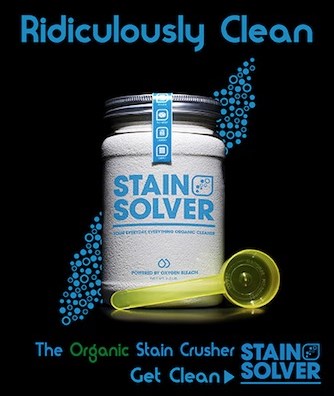
Stain Solver is MADE in the USA with USA ingredients that are food-grade quality. CLICK THE IMAGE to order some NOW.
opens in a new windowStain Solver certified organic oxygen bleach is the best deck cleaner out there.
It's a powder you mix with warm water. The oxygen bubbles attack dirt, mildew, algae and sun-damaged sealers.
You apply the solution to dry wood that's cool and in the shade for BEST RESULTS.
You want a standing film of solution on the wood and let it work for 15 minutes before scrubbing and rinsing.
Stain Solver is NON-TOXIC and will not harm you or any vegetation around your deck or dock.
Life Expectancy of Sealers
Will the new synthetic sealers and water repellents last forever? No.
Will they last longer than the natural oil products? Absolutely!
Years ago I applied a product called Defy to my front porch. The surface is in the shade and gets damp. There is no mildew or algae whatsoever after two years.
As a control, I have a side porch that actually faces the same direction and is subject to the same conditions. I cleaned it and my front porch two years ago using opens in a new windowoxygen bleach.
On purpose, I did not seal the little side porch. It is now black with mildew! I did this to collect data for this column. I will clean and seal this wood porch this season with Stain Solver. You can bet that I will do it with a synthetic sealer. I will use either Defy or another synthetic sealant. Defy is available in about six different colors.
NOTE FROM TIM CARTER - Founder of AsktheBuilder.com - The following sentence was posted October, 2016: I no longer would apply Defy deck sealer to any exterior wood that I own at my own home. See comments below as to why.
| Message from Tim:
Years ago while researching a column about cleaning decks, I discovered the wonders of opens in a new windowOxygen Bleach. It is perhaps the 'greenest' cleaner I know of as it uses oxygen ions to break apart stains, dirt and odor molecules. There are no harsh chemicals, and it works on just about anything that is water washable. I decided to create my own special blend using ingredients made in the USA. In fact, the raw materials in the active ingredient are food-grade quality registered with the FDA. I call my product opens in a new windowStain Solver. I urge you to use it to help clean your deck surfaces. You will be amazed at the results! |
Column B180

4 Responses to Deck Sealer Test Results