Frozen Pipes

DEAR TIM: I woke up to frozen pipes this morning. When I investigated the location, I found the frozen pipes to be in my water heater/furnace room. The builders of the home installed a fresh-air intake in the furnace room, and the water pipes travel right in front of the 9-inch intake pipe. It's about 6 degrees F outside, so the only way to prevent the pipes from freezing is to block the fresh-air intake. What do you suggest I do? Kathryn G., Saratoga Springs, UT

DEAR KATHRYN: I know you get cold weather in Utah, but it can get bone-chilling cold even in places like Florida and Arizona. Phoenix, AZ just recently had snow falling!

I suggest you take steps to prevent frozen pipes, but for now, we need to get water flowing again in those pipes. There are many methods to try, but you need to act quickly now to try to minimize the growth of ice in the pipes to prevent the expansion from splitting them.
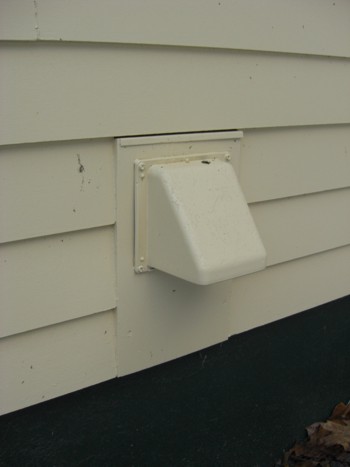
This harmless looking fresh-air intake vent can cause massive frozen pipe problems inside a home. PHOTO CREDIT:  Tim Carter

This harmless looking fresh-air intake vent can cause massive frozen pipe problems inside a home. PHOTO CREDIT: Tim Carter

First, you need to make sure you know where the main water shut off valve is in case the pipes burst and you have a mess on your hands. Then you should have a phone number for a plumber that can come out and assist you if you develop a leak.

I would then move anything that’s valuable in the immediate area where the frozen pipes are. If the pipes burst, you don’t want the spraying water to ruin valuable possessions.

If at all possible the next thing I would do is direct the air blast from this fresh-air intake down to the floor. This will stop the water in the pipes from further freezing.

I doubt you have spare 9-inch pipe laying around with the needed fittings. Perhaps you can fashion some type of crude temporary tube from plastic or cardboard be it round or rectangular to connect the end of the pipe. If you can’t do this, at least put in some type of cardboard deflector between the pipes and the intake pipe so that the frigid air is not hitting the pipes directly.

Be very careful if you use a flammable temporary material to create a crude tube. Flames from nearby furnaces, boilers, water heaters, etc. can ignite it. If possible, send a helper to a hardware store or home center to get metal pipe to do this job correctly.

You can now start to thaw the frozen pipes. I would not use a torch. You can put damp towels in a microwave oven and heat them up just like flight attendants do for all those pampered passengers who fly first class on airplanes. Wrap the pipes with these steaming hot towels to start thawing the frozen pipes. It will probably take repeated heatings in the microwave for the towels to thaw the pipes.

Extending the fresh-air intake pipe is not as hard as you might imagine. I’m hoping that you can easily attach a 90-degree bend to the pipe that will allow you to aim the pipe down. Use self-tapping sheet metal screws to connect the fitting to the pipe.

You then do the exact same procedure to connect sections of the metal pipe to the 90-degree bend. Note that sheet metal piping like this typically has a male and female end to it. The male end has crimps in it.

These pieces of round metal pipe usually are sold flat. There is a seam you have to create by sliding one edge of the pipe into the other. It’s caveman simple. Wear light leather gloves to avoid hand or finger cuts from the sharp metal.

As you connect the sections of pipe together, use the self-tapping screws to ensure the pipes don’t fall apart. Your biggest challenge will be securing the pipe so it doesn’t flail about hanging from the ceiling.

If the pipe is near or against a wall, you’ll be able to attach it to the wall using large straps that you can screw to the foundation or outside wall.

This fresh-air intake pipe is mission critical in today’s newer homes. It provides makeup air for ventilation fans, combustion air for some appliances, and it may be providing air for a traditional masonry fireplace.

Without a make-up air or fresh-air intake, you can have dangerous backdrafting of exhaust gases from your fuel-burning appliances. Whatever you do, don’t block this mission-critical pipe.

Column 864

Gun Safe

DEAR TIM: I'm in a panic. My new gun safe is being delivered in three days. When I was at the gun safe sale, I never thought about the weight of the thing and my house. The Remington gun safe I ordered weighs 900 pounds. The safe is 3.5 feet wide and 2.5 feet deep. Is it going to crack my floor joists? My wife is wanting me to cancel the sale and get gun safe cabinets that just hang on a wall because she's terrified that the house is going to collapse. Is it safe? Henry I., Aurora, CO

DEAR HENRY: I'll be in your shoes soon. Guns are my new hobby and I need to start safely storing them instead of hiding them all around my house. All of the new products, especially the biometrics gun safe, are fascinating.

You need to reassure your wife that all will be fine if you just think this through. First of all, you want a heavy safe so a thief just doesn't come in and take the safe back to his lair and then open it at his convenience. This is why you smartly purchased a safe that weighs nearly half a ton.

A gun safe in a wall, unless it's hidden well, can usually be overcome and carried out of a house. A gun safe cabinet on a wall can be taken down and carted off by two men with ease in most cases.

But let's solve the weight issue to put everyone at ease. Most houses are built to code, and the minimum code requirement for floors is 40 pounds a square foot of dead load. This means your floor joists, because most act as a system especially if there is diagonal bridging between the joists, can have a 40-pound load on each square foot of floor area and the floor not collapse.

Think about this in reality. No one has weights like that scattered on the floor. You'd never be able to walk around. There is much open space on the average floor. If the room where the safe will be is like this, you'll have no issues.

For example, let's say the room size is 10 feet by 12 feet. This is 120 square feet total meaning you can have 4,800 pounds of stuff in the room safely. I doubt you will have that much weight in the room.

Yes, the safe is concentrating a load in one spot. You'll have a concentrated load of 103 pounds per square foot just where the safe is. That could be a slight problem if you were putting the safe in the middle of the room.

My advice is to place the safe along a wall where the floor joists rest on the foundation wall, a beam, or a bearing wall below. You can place tremendous loads on floor joists immediately adjacent to where they rest on bearing points with no issues.

December 29, 2010 AsktheBuilder Tips And Newsletter

What's in This Newsletter?

Latest News
Smoke & Carbon Monoxide Detectors
Get New-Looking Kitchen Cabinets
Washington DC Meet Up
Chimney Repair Checklist
Pam on Shovels & Snowblowers
Help with a Green Survey


Remember, Do it Right, Not Over!

I do product reviews frequently. Please read my Disclosure Policy to understand the relationship between me and the companies that make the products or offer the services I review.

FOLLOW ME ON TWITTER

Friendly Question Reminder!

If you have a question for me, don't hit the Reply button just yet. Go immediately to my web site and type in the keywords about your problem into my Search engine. The search box is at the top of every page of my web site. You could have your answer in seconds if you do this! Please pay attention to all links you see at my web site. The exact products and services you often need are right in front of you, and you might be ignoring them.

Latest News

Christmas was wonderful up here in New Hampshire, but sans snow. We got plastered 36 hours later with the epic blizzard. Kathy got her snow, but it was two days late. As you might suspect, I taped a four-part blizzard video to show you what happened up here. After coming inside after taping the third part, she said I was an idiot.

I hope Santa was as good to you as he was to us up here. I got a *big* BB gun that shoots large cone-shaped BBs as well as some great books. My youngest daughter Kelly gave me one that I consumed in less than 36 hours. I couldn't put it down.

The book was about one of the greatest unsolved art thefts in the world. It was solved, in part, by a seasoned reporter from the New York Times. You'd think a detective would have gotten to the bottom of this case. But the confusion at the end of World War II in occupied Germany allowed the thief to liberate some priceless items and smuggle them through the mail of all things when there was no real police force or government in Eastern Germany!

The book is called Treasure Hunt. It's an easy read. You'll simply not believe what happened, how the priceless art was hidden in a tiny Texas town, and how the treasure was rediscovered in the nick of time.

I've decided to start sharing with you what I'm reading. You may find it interesting. I'd love to know what you read.

Oh wait! If you like the discovery of treasure, then you've got to read this one. WOW! Talk about not being able to put a book down, this is one that had me tied up for days. Ship of Gold in the Deep Blue Sea.

Both of those links are affiliate links. If you buy either or both books after clicking, I get a tiny commission from Amazon. The Federal Trade Commission mandates that I tell you this. I'm not a big fan of government in our lives, but this one is a good policy. I try never to talk about government stuff here. I do that at my Fire Pit hobby website.

Smoke and Carbon Monoxide Detectors

When was the last time you checked your detectors? Have you physically pushed the test button? Is it time to install new detectors? Remember, not all detectors last a lifetime. Some can lose their sensitivity! If in doubt, just talk with the fire prevention officer at your local fire department. This individual is an expert.

Get New-Looking Kitchen Cabinets in Just Days!

Money might be very tight for you right now. If it is and you're tired of your dark or worn kitchen cabinets, you can make your kitchen look new in just a few days with a gallon or two of paint. Yes, you can paint kitchen cabinets and they can look spectacular.

The cost of new cabinets may send you to the emergency room with a heart attack, so you've got little to lose by painting them. Just realize that once you start, there's no turning back. Read my Painting Kitchen Cabinets column of mine and be sure to watch the video at the bottom of the column. That video has a surprise ending.

Pay attention to the STOP sign you'll see in the column. Reading that eBook of mine could save you lots of time and allow you to get professional results!

Washington DC Meet Up!

I asked and you responded. The DC meet up is happening next week. So far at least five people have responded. Let's plan to meet at Pat Troy's Ireland's Own in Alexandria, VA around 4 p.m. on January 5th.

I believe I'm getting a ride from the Russell Senate Office Building around 3 or 3:30 p.m. That would put us at the pub around 4 p.m. if not before. We can shoot the bull and have some dinner until about 7 p.m. Just after 7 p.m., I need to scoot to the airport. It should be a good time! I'm sure you'll find me, as you have the advantage of knowing what I look like. I'll look a little different as it will be one of the rare times I'm in a coat and tie. In case you can't make it, we'll take some photos and maybe shoot  a quick video.

Chimney Repair Checklist

My newest product was completed yesterday. Maybe Santa knocked a few bricks loose or cracked your chimney crown by bumping his sleigh into it a few days ago. No matter what caused the problem, if your chimney needs work and you want it done the right way, you really need my chimney repair checklist.

I don't care if you want to do the work yourself or you want to hire a pro. You really can't believe the tips in this checklist.

You may have no idea what my checklists are about. To clear up that confusion, I taped a video to show you what it looks like and what's in it. Please watch the video at the shopping cart page.

Here's a special offer for you. Buy my new checklist now and I'll give you another checklist - you get to pick which one - for FREE. It's a buy-one-get-one-free offer, but this belated Christmas gift to you expires on Sunday (January 2, 2011) at midnight. That gives you plenty of time to recover from any New Years libations, but my advice is to just go get it now in case you forget.

The promo code is: ChimneyBonus

This gives you a $17 discount when you buy a SECOND checklist of your choice.

For it to work, you MUST add the Chimney Repair Checklist AND your second checklist into the cart.

After you enter the promo code into the Coupon box during checkout, you get the $17 discount.

Good for only one use per customer.

Pam on Shovels and Snowblowers

Jim from Spokane, WA sent in a great tip. To help snow slide off shovels and blast out of snow blowers, spray these things with a little Pam. If you have a can of that baking and cooking aid, give it a try. Just watch your dog. If it's like mine, it will lick the surfaces before you have a chance to try it out!

Help with a Green Survey

Unless you live under a rock, you have to be aware of the Green Movement. I'm all for the wise use of natural resources and recycling. However, I'm seeing lots of green washing. That's when slick marketing is used to promote a product that's maybe not so green. I want to do a survey about this Green Movement, but need your help.

What's most important to you about the Green Movement? Can you just email me one question or comment that's of the utmost importance to you?  If what you're interested in is in the top of the heap, I'll then compose a quick survey for the next newsletter so we can see how others feel about what's important to you. Thanks in advance!

AsktheBuilder.com
100 Swain Rd.
Meredith, NH 03253, USA

Chimney Repair Checklist

Click the Play button to discover what's in the

Chimney Repair Contractor Hiring Guide & Checklist.

This 34-page Chimney Repair Contractor Hiring Guide contains:

  • Four Secret videos to help you locate a Professional Contractor
  • Questions you ask each bidder - I provide the answers for you
  • Cost Breakdown - Labor, Materials, Overhead and Profit
  • Articles Explaining How the Job Should be Done
  • Instant Download PDF file! - You get it seconds after Checkout
  • No-Hassle 100% Money-Back Guarantee
  • Much more!
  • Cost - Just $7.00

Morning Tim,

Just wanted to share my opinion with you, I have down loaded the checklist I purchased from you. I have to say you knocked the ball out of the park. Thank you for a excellent job, my gain.
- Jim Richardson


Order Safely 24 Hours a Day ONLINE
Customer Support Available: M-F 8:00 a.m. - 2:00 p.m. ET


Read customer's comments on our products and dealing with the AsktheBuilder store on our Customer Review page.


Don't end up with a chimney repair that looks like this!

Don't end up with a chimney repair that looks like this!

Does your chimney need work? How will the contractor match the mortar color? How will the contractor prevent leaks. I give you clues in this Contractor Hiring Guide & Checklist!


My Chimney Repair Checklist costs just $7.00.

My Checklist can and will save you heartache and lots of money.

DELIVERED INSTANTLY!


My Chimney Repair Contractor Hiring Guide & Checklist costs just $7.00.

It is delivered to you the instant your credit is approved in the common PDF format that can be viewed with free Adobe Acrobat Reader software. Click the Adobe graphic just below to download the latest version of this free software. Many modern computers already have this software installed at the factory. You simply double click the Download URL Link in the email that is sent to you and the Checklist downloads.

Purchase my products online at my AsktheBuilder Store. Online ordering is secure.

Chimney Repair

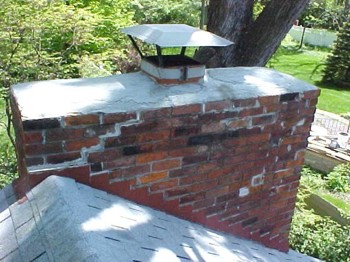
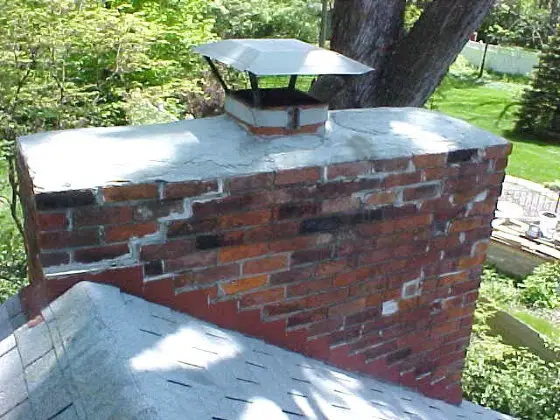
Chimney vent with cap

Chimney Repair - PHOTO CREDIT: Clay Lamb

DEAR TIM: I just bought a house in December of 2010 that has cracked stucco around the chimney and water stains inside around the fireplace. I obviously need to initiate a chimney repair. I found a NJ chimney repair person while searching. Two of three chimney repair guys say they can't repair the chimney in the winter due to the cold. They indicated there would be problems with the stucco curing and setting; one guy says an additive will allow him to work as long as daytime temps are above freezing. Should I go ahead and repair now? If not, what could I do on a temporary basis? Should I just drape a blue tarp over the whole thing and wait until spring? Christy D., Philadelphia, PA

DEAR CHRISTY: My guess is that had you called a Boston chimney repair or any chimney repair Massachusetts company you'd get the same answer this time of year. Performing home chimney repair when the temperatures can drop below 32 F within 24 hours of performing any masonry repair is just not prudent.

Masonry chimney repair of any type in cold weather is dicey. The concrete stucco your repairman would use or regular brick mortar used in a brick chimney repair while tuckpointing can freeze if the temperature drops below 32 F. It may be best to wait until spring for this repair.

If you decide to cover the chimney with a waterproof tarp, be absolutely certain you're not capping off an active flue that's connected to a furnace, boiler, water heater or any other device that creates carbon monoxide as a byproduct of combustion. If the chimney houses a flue from a wood-burning fireplace, embers from an active fire could catch the tarp on fire.

If you do get a break in the weather where temperatures are forecast to stay above 32 F for 36 hours or more, you can do this repair now. There are a few things you can do to help the mortar or the stucco make sure it doesn't freeze.

Start by stockpiling all the materials you need and store them indoors where the temperature is around 70 F. You can put the bags of mortar mix or Portland cement indoors with no problems. Do the same with the needed sand. Just store it in old 5-gallon buckets. It can take up to 24 hours for these cold materials to reach room temperature.

When it's time to mix the material, use hot water from indoors. This will accelerate the setting time of the mortar, but once introduced to the chilly temperatures outdoors the mortar will start to cool rapidly. Don't worry about it setting up.

If there is any way to heat the exterior of the chimney with a portable heater, ask the contractor to try to do this. Even getting the temperature of the outer surface up to 50 F will help tremendously.

As soon as the repairs are complete, ask the contractor to wrap the chimney with some plastic and insulated blankets to help retain some of the heat. This only needs to be done for about 24 hours.

If you really want to make sure you hire the right professional for this job, you should consider using a special checklist I developed that tests the knowledge of the contractor. He needs to answer questions correctly that you'd never think to ask him. My Chimney Repair Checklist is sure to help you discover the true pro in your city.

In my 2021 column Chimney Repair Costs, I updated the approximate costs for replacing, removal and maintenance on chimneys.

masonry-water-repellent masonry-crack-sealant

The above product links are affiliate links. I get a tiny commission if you purchase these from Amazon.

Water Heater Problems

DEAR TIM: My sister recently purchased an older home and the home inspector she hired before buying it recommended that she replace the aluminum tubing supplying natural gas to the water heater in her basement. The tubing is ½ inch diameter and about 30 feet long. Is it acceptable to replace the aluminum tubing with type k or l soft copper tubing? I know that black iron pipe and corrugated stainless steel tubing are commonly used for natural gas, but I would like to use copper if it won't cause problems. Also, why does the aluminum tubing currently in place, and seems to be in good condition, need to be replaced? Kevin H. Erie, PA

DEAR KEVIN: The flexible aluminum tubing is usually intended for appliances that are intended to be moved into place such as a gas range or a gas clothes dryer. While these pipes are safe, some code officials don't like to see them used to connect fixed appliances such as a water heater or a furnace.

That's not to say it's illegal where your sister's new house is. You'd have to talk with a local building inspector to get the final word on whether the pipe can stay.

In many localities, soft copper is an acceptable pipe to use to connect the water heater to the gas line. If this is legal is your area, be sure to use flare fittings for the connections. Don't use slip compression fittings. A flared fitting is much stronger and it's virtually impossible to pull the copper tubing out from behind the brass nut once it's tightened.

I prefer to use black iron myself to connect water heaters. It takes a little more time, but the black iron pipe is so much more durable in case something heavy falls near the water heater and hits the pipe.

If that happens now with that thin-wall flexible pipe, a hole could form, gas leak and KABOOM!

Click here to get my Hot Water Installation Checklist. This Checklist tells you the top five important things that must be done during the water heater installation. The Checklist also contains videos that show you exactly how to find the right contractors to call.

Rigid Foam Insulation

foam insulation above window

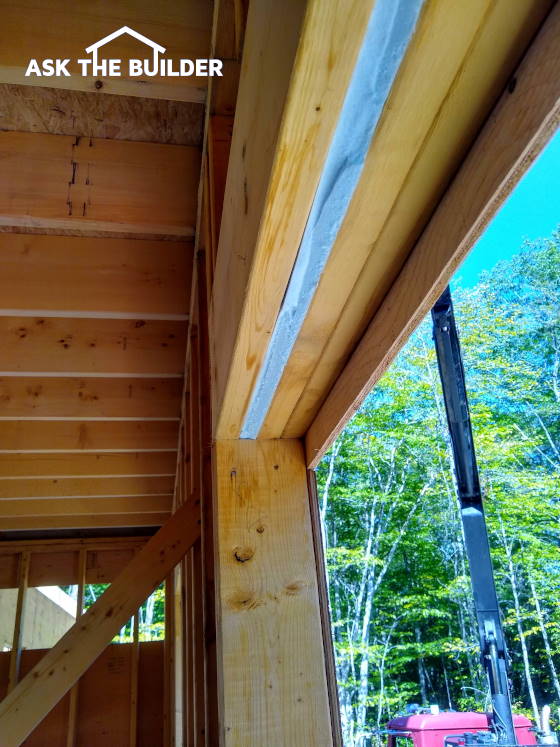
Rigid Foam Insulation | This is a beam across the top of a window. It has too many 2x10s. Instead of three, two would have been plenty allowing for more window foam insulation. (C) Copyright 2019 Tim Carter

"It's a basic law of thermodynamics that heat travels to cold, not the opposite."

Rigid Foam Insulation - Closed Cell is Superb

DEAR TIM: I'm currently installing rigid foam insulation around the exterior of my foundation. I’m installing 3 inches of it to a depth of 10-13" below grade to keep the heat in and the cold out. I told my neighbor about this idea and he thinks I’m wasting my time.

A clerk at a local home center agrees with me, but he may be biased and trying to sell products. Who is right? Do you have any tips for installing these great insulation products? Randy McL., Gilmanton Iron Works, NH

DEAR RANDY: You’re not going to like my answer, but you’re both right to a degree. There's no doubt that the rigid foam insulation boards you’re installing work. All you have to do is take a modern picnic cooler to a New England Patriots tailgate party. Those coolers typically contain foam insulation, and they do a great job of keeping sodas or other liquid courage icy cold inside the insulated box.

How Far Does Frost Penetrate in the Ground?

Frost depths in the lower 48 USA states range from 1 foot to 8 feet for the most part. Frost can penetrate many feet into the soil. In the Arctic, the ground below the surface can be permanently frozen. It's called permafrost.

The reason your neighbor feels that you’re wasting time and money is because he probably knows the frost depth in New Hampshire. Where you’re located, it’s 4 feet down below the surface of the top of the soil. This means that the soil, to a depth of 4 feet all around your home can freeze into a solid block of ice.

CLICK or TAP HERE to get FREE BIDS from local contractors who can install foam insulation.

What is the Temperature in Soil?

Six or more inches below the 4-foot depth, the soil temperature could be in the upper 30-degree F range. Go down to 6 feet below the surface and the soil temperature might be in the 40-50 degree F range. That’s still pretty cool. This cold soil is touching your foundation, and since cold is the lack of heat, the cold walls are pulling the heat from your house into the surrounding earth every minute of every winter day.

Is it a Waste to Install Foam Insulation?

Putting the rigid foam insulation basement panels as shallow as you’re doing is futile in my opinion. The exposed foundation above and below the narrow strip of your insulation is going to be very cold in the middle of winter. This will negate any benefit whatsoever as the temperature of the surface of the interior of the foundation will probably be as cold as if you had done nothing.

This exposed concrete foundation needs rigid foam insulation to minimize heat loss. PHOTO CREDIT: Tim Carter

This exposed concrete foundation needs rigid foam insulation to minimize heat loss. PHOTO CREDIT: Tim Carter

What Do You Have to Do to Get a Good Result?

For you to get an effective result for the cost of the rigid foam insulation, you need to cover more of the foundation. To get the best result, you need to cover the foundation that’s exposed above grade and is directly exposed to the frigid air temperatures. However, this extra step is not easy to do after a house is built.

Is the Advice Given by Clerks at Home Centers Trustworthy?

I don’t know the clerk you spoke with at the home center, but I have to tell you that my experience with most of them has been dismal. I’ve asked many of them pointed questions over the years about product installation techniques, and most have given me the wrong answer.

Do the Home Center Clerks Have Great Attitudes?

Many of these clerks have great attitudes, are hardworking and well-intentioned. But many have limited, or no, hands-on experience working with the products they’re selling. I’d be very leery of getting information from young employees that are at the bottom of the pay food chain in that business. How much construction experience can a 22-year-old adult have? It’s always best to take the time and get the real answers from the manufacturer of the product.

What's the Correct Way to Install Exterior Foam Insulation?

If you want to really get some benefit from the rigid foam insulation panels, I suggest you do the project the correct way. You need to install them to a depth of 6 feet or more below grade. To get the best result, extend the panels all the way to the top of the foundation.

Are Foam Panels With Drainage Channels a Good Idea?

Consider using the special foam panels that have drainage channels cut into them that allow water to pass quickly to the foundation drain tile. Any foam insulation that’s above grade needs to be covered with a masonry stucco for fire-prevention reasons and aesthetics.

Do I Need a Flashing On Top of the Foam?

Should you decide to cover the exposed part of your foundation above grade, you’ll need to install a special flashing on the top of the foam panels. This flashing should extend up behind any wood siding or other exterior wall material. It then slopes down slightly and bends over the top of the foam insulation. This flashing prevents water from getting behind the panels.

Does R-value Go Up With Increased Thickness?

The R-value of rigid foam insulation increases with the thickness of the product. It’s possible to get a panel that’s 4x8 feet in size and 2-inches thick that has a R-value of 10. That will do a very good job of keeping a concrete foundation from conducting cold back into the basement.

Does Concrete Conduct Heat?

Concrete, because of it’s density, conducts both heat and cold quite effectively. If you put your hand on the inside of an uninsulated concrete foundation in the middle of winter here in New Hampshire, you’ll feel like you put your hand inside a refrigerator. It's a basic law of thermodynamics that heat travels to cold, not the opposite.

Be sure to read and follow all written installation instructions provided by the manufacturer of the foam you choose to use. Taking the time to do this will save you time and money in the long run.

Column 863

Cold Air Return

HVAC Return Air

Cold Air Return

DEAR TIM: We live in a Cape Cod style house that was built in the early 1960's. The problem is that in the summer the basement is cold, the main floor is comfortable, and the upstairs is hot. In the winter the reverse is true. The basement is hot, main floor comfortable, and the upstairs is cold.

Every supply vent is open on the upstairs, and closed in the basement. There is no cold air return from the upstairs, so from what I've read, that seems to be my problem. I would like to know where to install return ducts.

I understand what you said about them being near the ceiling to bring the hot air back down in the summer time. But in the winter, would that not also return the hot air needed to heat the room. Should there be two sets, one for summer near the ceiling, and one in winter, near the floor to get rid of the cold air? Tim Schoell, Omaha, NE

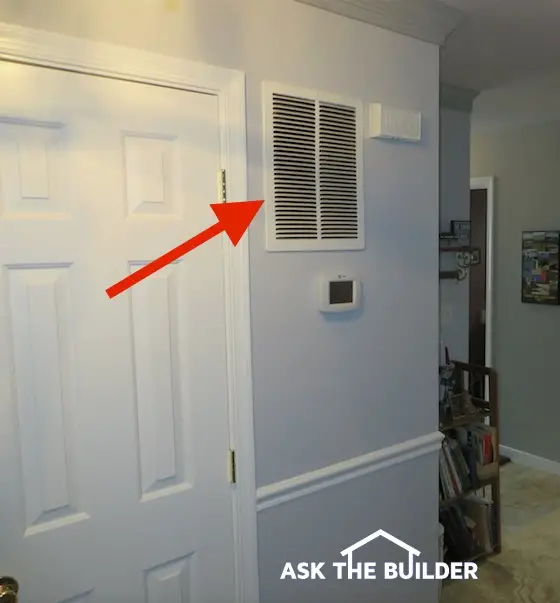
DEAR TIM: Ideally you want to have cold air return registers in every room. These should be located at the top of the wall on an interior wall. The supply registers should always be on an exterior wall preferably under a window or near a door.

You don't need two sets of cold air return vents. The reason is simple. The supply vents should be in the floor and the cold air return grilles are high on wall. If you could see the air come out of the floor registers, you'd see it be pulled across and up through the room. Because your body is in this path way, you get the benefit of either hot air or cold air being drawn across your skin providing you comfort.

If you can't easily install a true cold air duct back to the furnace from each room, you can sometimes fake it. You can install a cold air return register above the door from each room that connects to the hallway. The air flows through these openings from each room. The air flows across the ceiling in the hallway towards a larger cold air return that does extend to the basement furnace.

You do this and I guarantee you that the second floor is going to be much more comfortable year round.

Reference: March 9, 2011 AsktheBuilder Newsletter

Garage Flooring

DEAR TIM: While touring new homes, I see different garage flooring systems. When I grew up, our garage flooring was concrete. I’m intrigued by the new products that make the floor dazzle, but I’m wondering if they are worth it. What do you think about the epoxy garage flooring and garage flooring paint? Would you do any of these in your own garage? What can I do to revive the look of my current dirty and stained garage floor? Shane G., Naperville, IL

DEAR SHANE: I’m old fashioned and I’ll admit it. You might not like my answer, but the best garage flooring, in my opinion, is plain old concrete. It’s time tested and in most cases is maintenance free. You can seal a clean concrete floor making it resistant to almost any stain.

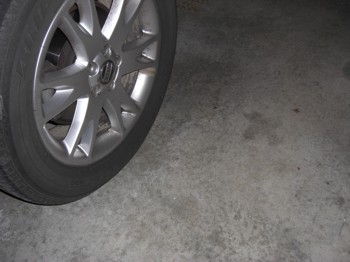
As plain as it is, poured concrete is really a great garage flooring material. It’s not sexy, but it’s durable. PHOTO CREDIT: Tim Carter

As plain as it is, poured concrete is really a great garage flooring material. It’s not sexy, but it’s durable. PHOTO CREDIT: Tim Carter

You’ve got lots of options to choose from when it comes to changing the look of your garage floor. By all means don’t ignore the old standby used by my dad when I was a kid. He took high-gloss paint, and as crazy as this sounds, painted our concrete basement floor.

Do you know what color he used? Gray. It looked like concrete when he was done. In a matter of an hour, he took a maintenance-free surface and turned it into one that required periodic cleaning and repainting to look good. My mom thought he was an idiot.

Because our home was built just before WW II, there was no vapor barrier under the concrete. As a result, water vapor passed right through the concrete from the moist soil beneath and would cause the paint to peel periodically. Most modern homes have plastic vapor barriers, so you should be okay to paint if that’s what you decide to do.

Be sure you read the instructions on the paint can and use a paint that’s designed to be applied to floors. You may need to use a special primer to get great results. Think about slip resistance. Painted floors can be slippery when wet.

I’ve seen rubber garage flooring. You can get interlocking tiles that come in different colors and patterns. They’ll make your garage look spiffy indeed. Be aware they come in different levels of slip resistance and price.

Rolls of vinyl garage flooring might catch your eye. These come in colors and clear. I can’t understand why someone would want a clear vinyl product, as you can see through to the concrete. Perhaps you would have a double covering in this instance!

If your budget is low, you may be able to find discount garage flooring or cheap garage flooring. Be careful if you go this route, as I’m quite sure not all the products would stand the test of time. There always seem to be inexpensive products to appeal to the people at the bottom of a market. More often than not I’ve heard the lamentations of these buyers several months down the road when the products fail or underperform.

In the event you decide to go with a paint, take your time and do the research. I’ve had any number of homeowners contact me about hot-tire syndrome. You live where it can get beastly hot in the summer.

If you’ve been driving around on hot roads for a while and pull into your garage, the tires on your car can be very hot. This concentrated heat coupled with the weight of the car, has caused the paint to peel and pull up in certain situations.

Be sure you research this extensively online and see if the paint you intend to use has a history of peeling. Contact the manufacturer. Be sure you follow all instructions to the letter when applying it, as paint is just glue with color in it for the most part. Be sure the concrete is clean, dry and has been prepared to get the best bond.

To revive the look of your existing garage floor I’d start by trying to deep clean it. You’ve got nothing to loose by using a pressure washer to remove years of dirt and grime. Oil stains and other organic stains can sometimes be removed by soaking the floor with a solution of oxygen bleach and then scrubbing it. This non-toxic product is readily available online.

If the floor doesn’t come as clean as you like, you can actually apply a thin coating of cement plaster that will make the concrete look like it’s brand new. This plaster is just a mixture of fine silica sand and Portland cement. It’s applied as thin as an eighth of an inch and can be troweled as smooth as glass.

To get it to bond to the old concrete, be sure the concrete is clean and paint on a thin coat of Portland cement paint just before applying the stucco. Don’t allow the cement paint, just a mixture of Portland cement and water, to dry before you cover it with the stucco. After curing for 30 days, apply a clear silane-siloxane sealer to prevent stains in the new cement coating.

These cement or concrete overlays will last 50 or more years if done correctly. What’s more, they can be far thicker than an eighth of an inch. If you want to level out a floor that’s dropped, you can install concrete on top of concrete. If the new overlay is about 1 inch thick, be sure to put small rounded gravel in the mix. It should be no larger than peas you might eat. If the overlay is about a half-inch thick, use regular coarse sand instead of fine sand.

Column 862