How to Toilet Repair

Toilet Repair TIPS

  • Partial Flush - flapper dropping too fast
  • Phantom Flusher - toilet fills by itself
  • Noisy Filler - sediment in filler valve
  • Poor Flush - sediment clogging syphon jet or under-rim holes - see below for EASY DIY fix
  • CLICK HERE to Get Tim's FREE & FUNNY Newsletter

Weak Toilet Flusher Solution - Easy Cheap Fix

Your weak flushing toilet could be a first-generation 1.6-gallon flush toilet that had horrible engineering. Look inside the tank for a manufacture date stamped in the clay. If it was made during the time period from January 1, 1994 to mid-1997, this could be the problem. No matter what you do, it will not flush right. You may need to install a new toilet.

Newer toilets built just before and after 1998 were much better and allowed the water to flow from the tank into the bowl faster. This is what produces a great flush. 

You need LOTS of water to flow into a toilet bowl fast for a toilet to have a vigorous flush. That's why toilets in commercial buildings with a pressurized connection to the water supply system flush so well you think you'll be sucked into the sewer too!

If the toilet was made before 1994, hard water deposits in the siphon-jet hole at the base of the bowl or the angled bowl-rim swirl holes may be the source of your frustration. These deposits reduce the size of the openings and SLOW the flow of water from the tank to the bowl.

You can try to clean them out with wood sticks and oversized toothpicks, but a muriatic acid wash will really do the job.

Watch this video to see the siphon-jet hole and under rim holes:


Here's how to get the old toilet choked with hard-water deposits to flush like new:

  • Pour four gallons of water AS FAST AS POSSIBLE into the bowl to get most water out of the bowl
  • With water level low in the bowl, pour in pure muriatic acid into the bowl up to the normal fill level
  • Allow acid to work for hours or overnight if possible - put lid down to keep pets safe - open a window for fresh air
  • Neutralize acid by slowly adding small amounts of baking soda to the toilet bowl before you flush toilet
  • Use a small wood stick to scrape soft deposits from the siphon-jet hole at bottom of bowl AFTER acid is flushed away

IMPORTANT NOTE: Muriatic acid is toxic. Read all safety warnings on the bottle. It will NOT HARM the toilet. If you neutralize it after it works for hours, it will NOT HARM the plumbing pipes nor city sewer system or your septic tank.
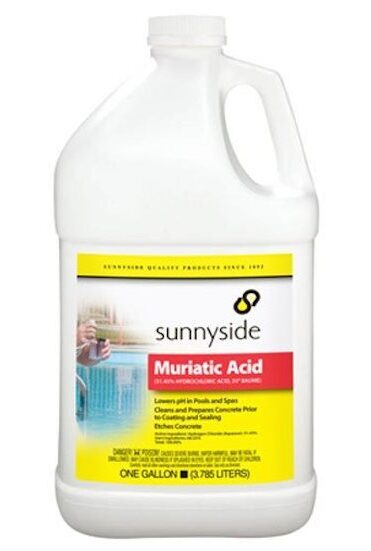
Muriatic acid

Muriatic acid is powerful and needs to be treated with lots of respect. CLICK THE IMAGE TO ORDER SOME NOW.

You should immediately hear fizzing and such. BE CAREFUL of the fumes! Run the bath fan, open a window. DO NOT splash this solution on you, in your eyes, on your clothes, on the carpet, etc. It will not hurt the toilet at all.

Septic System Harm?

You may wonder if the muriatic acid will harm your septic system. The answer is NO if you neutralize it before flushing it out of the toilet.

Let the acid work for hours if possible.

After working to dissolve the hard water deposits, use small amounts of baking soda to neutralize the acid. Add the powder until you no longer see fizzing and bubbling.

Cleaning Toilet Bowl Rim Holes

Mix up a quart of acid and water solution. Mix it one part water to one part acid.

Pour this solution down the overflow tube as fast as you can using a large funnel. Do NOT splash this on you! 

The solution you put down the overflow tube in the toilet tank will help open the small holes under the rim of the bowl. These get clogged with hard water deposits too.

CLICK HERE to get FREE & FAST BIDS from local plumbers to fix your toilet.

Strong but Partial Flush

The flapper valve may be waterlogged and dropping too fast. Observe the flapper valve during a flush. It should stay up until about 80 percent or more of the water has drained from the tank. If it drops sooner, install a new flapper.

Phantom Flusher

This is really a phantom filler, as the toilet tank fills with water as if it was just flushed. It simply means that the tank is leaking water. The food coloring dye test will confirm this. Add food dye to the tank after all water has stopped running into the tank. After 5 or 10 minutes, look at the bowl water to see if it is colored. If it is, the flapper is not sealing completely. Time for a new one! CLICK HERE to get the BEST FLAPPER VALVE. Easy DIY install!!!!
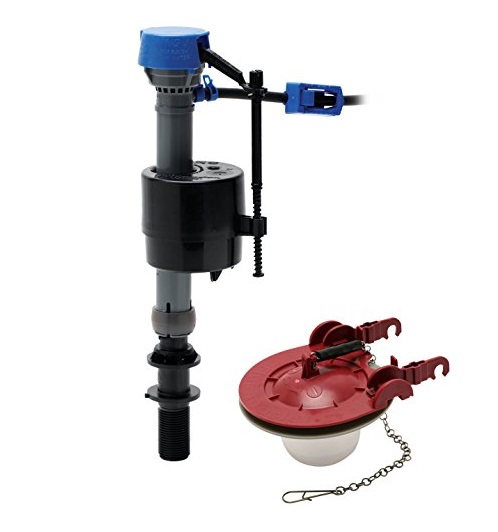
toilet repair kit

The flapper valve is the red item. The blue and black part is the fill valve. You might as well replace both for years of TROUBLE-FREE toilets! CLICK the IMAGE TO BUY IT NOW.

CLICK HERE to get FREE & FAST BIDS from local plumbers to fix your toilet.

Bowl Water Level Drops

You flush the toilet and all is well. After a period of time, a significant amount of water has left the bowl. Two things may be wrong. Water could be slowly siphoned from the bowl by a partial clog of toilet paper up in the colon of the bowl. You can demonstrate this phenomenon by filling a small soup bowl with water and putting it in the center of a cooking jelly pan. Drape a strip of paper towel from the bottom of the bowl, over the bowl edge and into the jelly pan. Watch what gravity and capillary attraction does in several hours. The bowl will be nearly empty. To see if your toilet has a rag, toilet paper, or something else causing the drainage, empty the bowl of water and then use a flashlight and a mirror to look up inside the colon of the toilet.

In rare cases, the bowl may actually have a crack in the interior colon or piping of the bowl. This problem can only be solved by installing a new bowl.

Double Flusher

The water level in the tank may be set too high. Lower the level and look for improvement.

Whistling Tank Fill

You must have an old technology ball cock valve with a ball float on the end of a rod. As the ball floats higher it begins to slowly close the water fill valve.

This can cause vibrations and all sorts of noise. Toilet tank fill valves that stay wide open until the tank is filled have been around for over 20 years. They are wonderful and they are inexpensive. I use the Fluidmaster valve. Get the best one, not the economy model. CLICK HERE to get the BEST ONE.

Slow Tank Fill

This problem may be a partially closed shut off valve under the tank. A previous owner or a plumber may have restricted the flow of water into the tank for some reason.

Dripping and Tank Filling

After the tank has filled, you hear dripping. Then several minutes later, the tank partially fills with water and the dripping starts again. Then the tank fills and so on and so forth. This problem can be a syphon problem caused by someone who installed a new tank fill valve.

There is a small flexible tube that runs from the bottom of the valve to the top of the toilet overflow tube. As the tank fills, water is also sent through this tube. It is used to refill the toilet bowl since it lost its water during the flush.

If this tube drops down inside the overflow tube, it can, in some instances, syphon water from the tank. New toilet fill valves often have a clip that attaches to the top of the overflow tube and points the water flow down into the tube without actually having the tube enter the tube. Pretty slick? It works too! Use the clip!

Sluggish Flush

The toilet could have a partial clog or the actual clog could be downstream from the toilet. Fill a 5-gallon bucket of water and dump it into the toilet as fast as possible with minimum splashing. If the water disappears fast, then it's not a clog. If water backs up into the bowl and drains slowly, it is a clog.

If the water does disappear fast, then it means the syphon-jet hole is clogged with hard-water deposits. Older toilets had this hole near the bottom of the bowl. Some modern toilets have it up under the rim of the toilet.

Water is not able to exit the tank fast enough to produce enough energy to produce a great flush.

You can solve this issue by dumping another 5 gallons of water in the toilet FAST. Then put into the toilet bowl 12 ounces of muriatic acid. CLICK HERE NOW to order this great product.

Muriatic acid

Muriatic acid is powerful and needs to be treated with lots of respect. CLICK THE IMAGE TO ORDER SOME NOW.

Put the seat down and don't allow anyone to use the toilet for three hours. The acid will dissolve the calcium deposits.

If the syphon-jet hole is up under the rim, you need to use a turkey baster and squirt an acid solution down into the overflow tube in the tank.

Mix one part acid to five parts water for this solution.

READ all the safety instructions on the acid label.

Suction Sounds in the Tub and Sink

You flush the toilet and gurgling sounds come from your tub and/or bath sink. This means the toilet vent pipe is clogged or partially clogged. A tennis ball, dead bird or twigs thrown by a mischievous son might have dropped down into the rooftop vent pipe may be the problem. Drop a small flashlight that is SECURELY attached to a strong string or wire down the pipe. Look for a clog. Run garden hose water down the rooftop vent pipe to help clear the clog. Be sure you have spotters inside the house who are looking for leaks. You may have to call a professional to solve this problem.

This popular column was shared in the November 20, 2013 AsktheBuilder Newsletter.

Column B332
Installing Drywall In Wet Locations

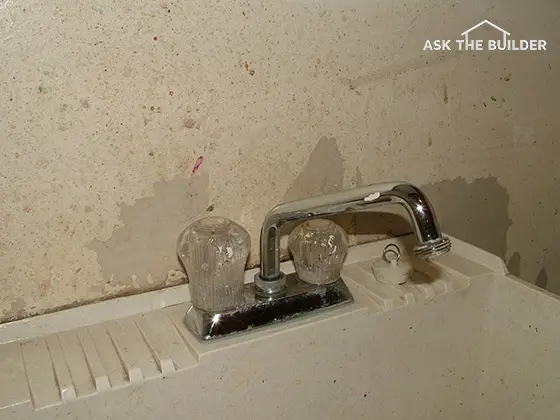
drywall utility sink

The drywall used around this utility sink should have been the special water-resistant drywall. Instead, the homeowner has had to initiate damage control by sealing the peeling-paint spots on the wall with clear urethane. © 2017 Tim Carter

"Some people think that several coats of high-quality paint will protect the drywall from moisture, but this is not always the best strategy."

Installing Drywall in Wet Locations Checklist

DEAR TIM: My church group is restoring a house and all of the walls and ceilings in the bathroom and laundry area have been stripped down to the wall studs.

How much water-resistant drywall should we install? Is it best to use it just behind the plumbing fixtures and appliances or should all of the walls and ceiling be covered? John G., Detroit, MI

Related Links

Paperless Drywall - Why Use It?

Secret Pro Drywall Finishing Tips - DO NOT SHARE!

DEAR JOHN: There seems to be a significant amount of confusion about drywall, water-resistant drywall, and wallboard that is 100-percent waterproof.

Since you are in the driver's seat at this time and have a choice of what material to use, you can produce a finished result that should last for many years with little or no damage if an occasional splash or drip occur or even if lots of water floods a wall surface.

Free & Fast Bids

CLICK HERE to get FREE & FAST BIDS from local drywall contractors.

What is Regular Drywall?

Regular drywall that most people are familiar with is made with a gypsum-based core that is very strong when it is dry. Typically the drywall panels have a thick-paper wrapping that protects the gypsum core from impact and abrasion damage.

But the paper readily absorbs water and can transmit it to the gypsum inside the panel. When this happens, the panel loses its rigidity and either falls apart or it becomes very mushy.

What is Best Drywall Wet Locations?

With this in mind, I don't like to use regular drywall in areas where I think water might come into contact with the wall surface on a regular or even somewhat-regular basis. Some people think that several coats of high-quality paint will protect the drywall from moisture, but this is not always the best strategy.

If water gets behind the paint where the paint stops and a sink top or cabinet edge begins, you have an Achilles heel and damage to the drywall may start if water finds this entry point from time to time.

What is Green Board Drywall?

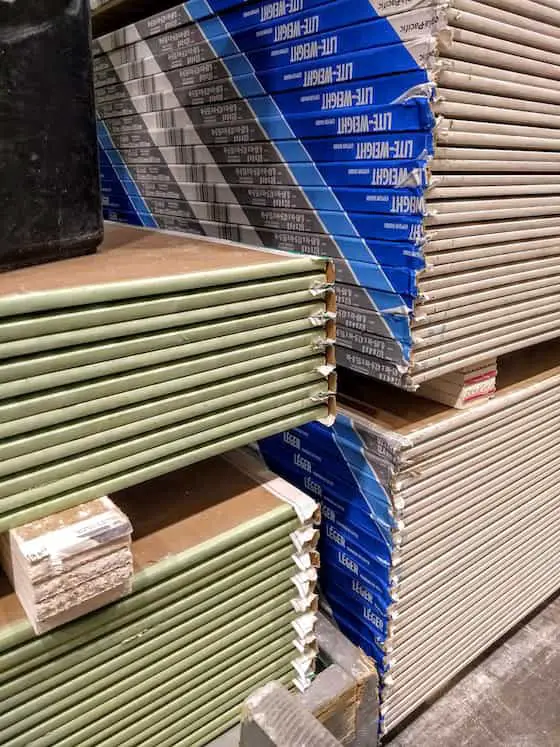
Green board drywall is a special drywall that's water resistant. The gypsum core has been treated with a water-repellent similar to silicone and the outer paper is reported to be somewhat moisture resistant.

mmr green board drywall

This is a stack of green board MMR drywall on the left. You can see the light-green color compared to the off-white color of the standard drywall to the right. Copyright 2018 Tim Carter

Green board has been in use for decades. I was first introduced to it around 1975 if you can believe that! Many people recognize it from the green-colored paper facing. In fact, it is affectionately called green board by builders and drywall hangers.

It's not a bad product, but I discovered a SECRET TIP (see below) years ago to make it nearly invincible when it gets splashed with water.

Can Green Board Fail?

Yes, the green board can fail if it gets lots of water on it. It can fail faster if it's not allowed to dry out in between periods of getting wet.

What is MMR Drywall?

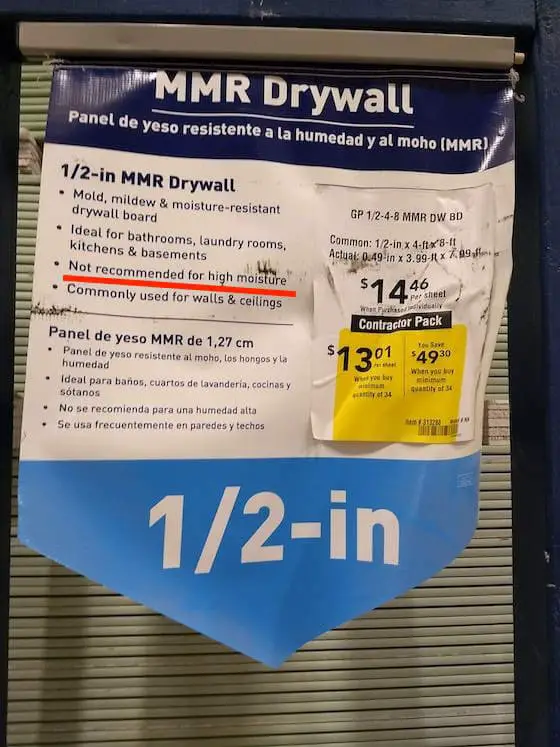
MMR drywall is mold, mildew, and moisture-resistant drywall. It's the modern name for green board drywall. Look at the features sticker and note what's above the red line:

mmr drywall sticker

This is the giant label at a home center listing the features of MMR drywall. Note where NOT to use it! That wording means DO NOT use MMR drywall under tile in tub and shower areas. Copyright 2018 Tim Carter

What is the Best Bathroom Drywall?

The best bathroom drywall is green board. I'd install it on all walls and ceilings in a bathroom so long as you follow the manufacturer's installation instructions. On ceilings, be sure to space the fasteners on 9-inch centers.

Use galvanized drywall screws to attach the green board to the wall studs. Coat the green board with water-based urethane before you start to finish the green board.

I've had great success using this green board drywall behind sinks, toilets and on walls with ceramic tile backsplashes. But before I thought about my SECRET METHOD, I had horrific failures when I used it behind ceramic tile in tub and shower areas.

What is the Best Source of Drywall Facts?

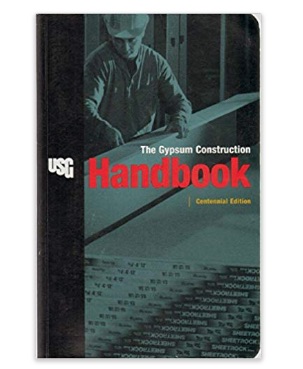
The Gypsum Construction Handbook published by USG, Inc. is the bible of drywall and plaster information. It contains all you need to know to pick the best drywall and how it should be installed.

gypsum construction handbook

This is the Bible of hanging and finishing drywall. I recommend you buy this and read the section on drywall. CLICK THE IMAGE to have a copy delivered to your home.

Can Water Vapor Ruin Drywall?

Water and water vapor can readily pass through ceramic tile grout and cause the drywall paper facing to disintegrate. Water-resistant drywall is simply not recommended for areas that are subject to constant moisture. Well, that is unless you think about doing what I've been doing for years. Keep reading!

CLICK HERE to get FREE & FAST BIDS from local drywall contractors.

Can Green Board Sag on Ceilings?

The water-resistant green board drywall is sensitive to stud spacing. If you decide to use the green board drywall for a ceiling, the joists must be spaced 12 inches on center for 1/2 inch thick drywall. If you have 16-inch on-center spacing, then you need to increase the thickness of the drywall to 5/8 inch for ceilings.

Do You Need a Vapor Barrier With Green Board?

Yes, you need to use a vapor barrier with green board. In bathrooms or other wet locations, water vapor will try to penetrate into wall cavities. This will cause wood rot in cold climates.

Some drywall manufacturers also state that a vapor retarder should not be used under the water-resistant drywall if the visible face of the drywall is covered by a product such as ceramic tile or other water-vapor impervious finish. I believe they are very afraid that water might get trapped within the drywall and cause damage. I don't know that I'd follow this advice on exterior walls in a cold climate. You MUST STOP water vapor from getting into wall cavities.


Polyurethane Paint

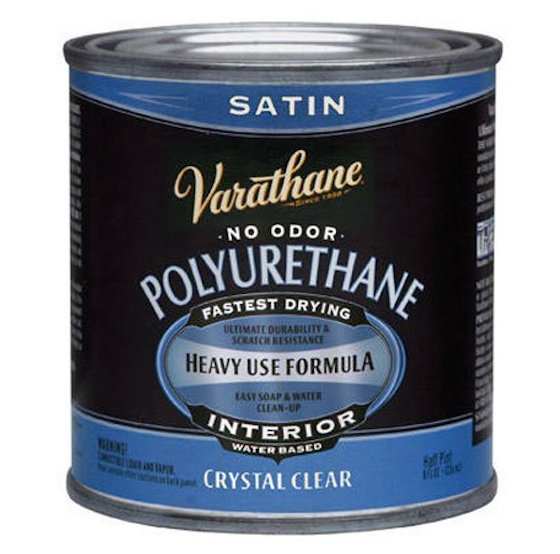
SECRET TIP is to coat the drywall BEFORE finishing with this amazing urethane product. It WILL STOP water from penetrating into the paper of the drywall. CLICK IMAGE TO ORDER IT NOW.

Can You Make Drywall Waterproof?

Yes, you can make drywall pretty much waterproof if you coat it on all sides and edges with water-based urethane before you install it. After it's installed and finished, then coat it two more times.

The secret tip to making the drywall waterproof is to coat the paper surfaces of the drywall, including the edges, with clear water-based urethane BEFORE you finish the drywall.

This coating soaks into the paper on the drywall so water can't get to the gypsum core and cause deterioration or the delamination of the paper from the core. That's what happens over time is the paper rots away causing the failure you see.

How Soon After Applying the Urethane Can You Mud?

To get the best bond between the urethane-coated drywall paper and the joint compound used to finish the drywall, apply the joint compound within thirty minutes of rolling or spraying on the urethane.

You'll get both a chemical and mechanical bond between the urethane and the glue that's in the joint compound. The bond will be nearly as strong as epoxy if you can do the applications back to back!

Is Urethane a Great Waterproof Coating?

Urethane is a great waterproofing coating. This is why it's used on bar tops and hardwood floors that can get wet.

Any part of the moisture-resistant drywall that's coated with urethane and then painted will do super well. Urethane is extremely sticky. If at all possible, apply the urethane over the drywall that's to be painted and paint/prime within an hour for a chemical and mechanical bond.

What Drywall Fasteners Prevent Rust?

Hot-dipped galvanized fasteners or even stainless steel nails and screws prevent rust. Use these to fasten the drywall panels to the wall studs and ceiling joists. If you use raw steel fasteners, they will rust in time and the wall panels can fall off the walls or ceilings.

At the very least, you will find yourself dealing with unsightly rust stains that appear through the painted surfaces should you cut corners and use the wrong fasteners.

The gypsum core of the water-resistant panels is often treated with a silicone chemical or wax-like substance. You can readily see water bead up if you wet the exposed gypsum core. The problem for years was the failure of the green-colored paper, not the actual gypsum inner core.

Is Mold a Concern With Drywall?

Mold is a concern with any wall covering including drywall. Mold can grow on just about any surface except for solid copper or copper-coated

Because mold is in the forefront of the news, wall and ceiling panel manufacturers are constantly rolling out products that are both water-resistant and even inhibit the growth of mold on the surface of the panel. But as with any new product, always be sure to read the technical literature produced by the manufacturer.

Make sure you use the product as it was designed to be used. Always pay attention to the use of the words: water-resistant and waterproof. Waterproof means liquid water or water vapor will not harm the product. Water-resistant means limited amounts of water will not cause harm.

Can You Create a Waterproof Wall?

You can create a waterproof wall by using a wall covering that is waterproof. Cement board is one option and there are other coverings like fiberglass.

In areas of these rooms that will get heavy concentrations of water, you need to use a waterproof wall material. Remember, the green board drywall is water-resistant, not waterproof.

You can purchase interior panels that match the thickness of regular and water-resistant drywall that are made with cement and sand or a combination of cement, sand and other ingredients.

Furthermore, there are other innovative gypsum core products that are 100-percent waterproof. Use the waterproof wall panels behind the tile and in any location where you expect water to be regularly splashed onto a wall surface.

This column was SO GOOD that I shared with the 31,000 subscribers who read my January 8, 2017 AsktheBuilder Newsletter.

Column 560

January 5, 2017 AsktheBuilder Newsletter

Happy New Year! I hope yours is off to a good start. Mine is.

Three hours ago, I was having breakfast with two friends, Jim and Janey. I worked with both on the scenic train. It was good to see their smiling faces.

We talked about lots of things, but I shared with them a story about some old books I salvaged from an old home I purchased about thirty-five years ago. The home had been owned by an architect.

The books must have been textbooks of his or books he used in his practice. They contain vast amounts of useful information and I've kept them all these years.

For example, the one book has a huge section in it about hydrated lime, how it's made, how to mix it and most importantly WHY it makes such a great mortar for brick and stonework. CLICK HERE to read a column where I talk a little bit about hydrated lime.

I decided to go onto Amazon.com to see if these books had any value. GULP!

Click here to see the one book.

Click here to see the second book. This book shows as out of stock but another seller on Amazon has it for $500.00.

Do you have old textbooks like this around your home? If you don't want them, I'll take them! I'm serious. I'll pay to have them shipped to my home if they're ones I desire to add to my collection.

Survey or Polling Professional

Have you been trained as a professional, perhaps it's in your math or marketing background, to write unbiased survey questions?

If so, I need your IMMEDIATE help. Can you reply to this email and would you let me ask you some questions over the phone?

Work and Hiking Boot Review

How many pairs of work boots do you think I've worn over the years?

I believe my quest to locate the best pair of work boots, and ones you can use for hiking too, has ended.

CLICK HERE to read the my review.

Are You a Flight Attendant or Airline Pilot?

Are you a working flight attendant or pilot / first officer for a domestic US airline? Or currently retired?

My youngest daughter Kelly is thinking about becoming a flight attendant, and I'm wondering if you'd be willing to offer some guidance to her with respect to this career choice.

Simply reply to this email if you're not opposed to answering some of her questions. Thanks in advance.

Cold Air in Bathrooms

David emailed me wondering how in the world to stop the cold air from seeping into his bathroom via his exhaust fan.

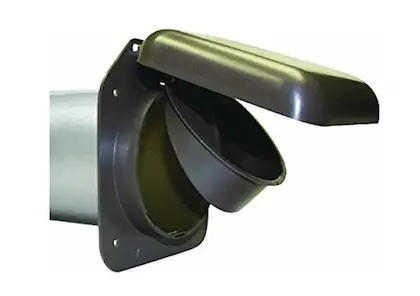
bath vent

I think you'll be interested in my answer.

What's more, you may not be aware of a product I discovered that will absolutely stop cold air from entering your home via a bath fan.

CLICK HERE to stay warm!

Judy's Peeling Tub Drain

Judy has a problem with her old cast-iron tub. She did her best to repair it, but was probably sold down the river.

CLICK HERE so you don't make the same mistake she did.

GET FREE BIDS for ANY JOB

Now that the New Year has blown by us, you may be thinking about doing jobs around your home.

I don't care if it's a new roof, new bathroom, furnace repair, concrete repair, painting, etc.

If you want FREE BIDS FAST then all you have to do is CLICK HERE. Fill out the form and magic will happen.

Built-in Bookcase Design Ideas

Harald, who lives in Norway, reached out to me about a project he was about to undertake.

I want you to CLICK HERE to see a photo that will make your eyes pop. You'll also discover one or two tips about bookcases you might not have ever thought of.

I plan to have a BIG SURVEY I'd like you to take this Sunday. I say this hoping a survey pro steps forward to help me craft the perfect questions.

Until then, I remain in your loyal service -

Tim Carter
Founder - www.AsktheBuilder.com

Do It Right, Not Over!

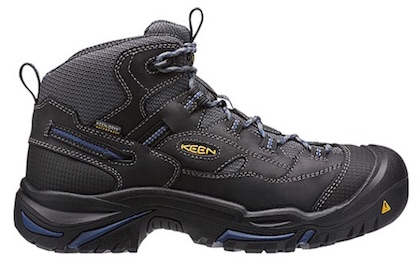
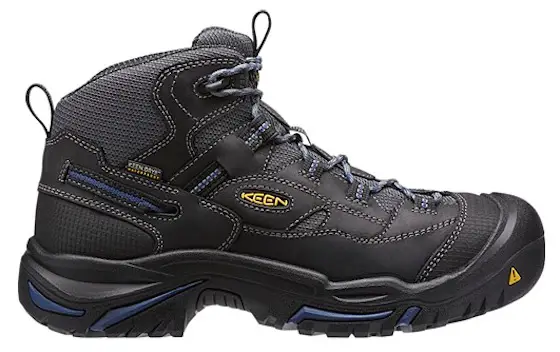
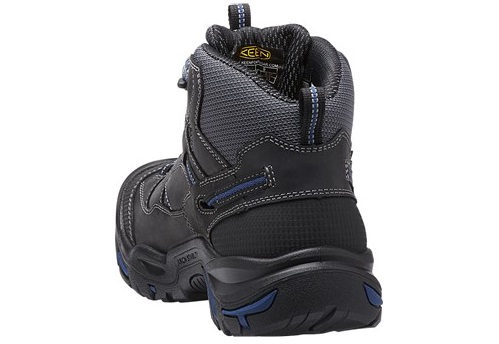
KEEN Utility Braddock Mid Waterproof Review

work boot

This is the most comfortable and attractive work boot I've ever worn. It's also perfect for HIKING. CLICK THE IMAGE to BUY it.

I'm almost embarrassed to say how long I've worn work boots, but thinking about it I feel it adds enormous value to this review.

Who better to review work boots other than a person who's worn countless pairs for over forty years.

I think it's fair to say that I was wearing work boots when I started renovating houses in 1973 as a part-time job in college.

Here's what you need to know right now before you read anything else. The KEEN Utility Braddock Mid Waterproof boot I tested was the most comfortable and best work boot I've ever worn.

One of the most important aspects of these work boots, in my opinion, is they are Made in the USA. The factory is in Portland, Oregon. (See my July 13, 2017 AsktheBuilder Newsletter when I asked for Car Rental Experts.)

Here are the features of this boot:

  • American Built with materials from around the world.
  • Direct attach PU mid-sole
  • Integrated heel cushion
  • KEEN.Dry waterproof breathable membrane
  • Lining with hydrophobic/hydrophilic 2-zone comfort technology
  • Meets or exceeds ASTM F1677-96 Mark II non-slip testing standards
  • Meets or exceeds ASTM F2892-11 EH Standards
  • Not compatible with aftermarket insoles or orthotics

Here's what I LOVED about this pair of work boots:

  • Styling - it's the most attractive work boot I've ever owned
  • Support - the boot is stiff on the upper half, but not so much it restricts movement
  • Super-Grip Sole - Prevented me from falling on my steep icy drive
  • Amazing Laces - seem to be non-slip so they stay tied
  • WATERPROOF! Need I say more?

Here are some other images. CLICK HERE TO BUY a pair now.

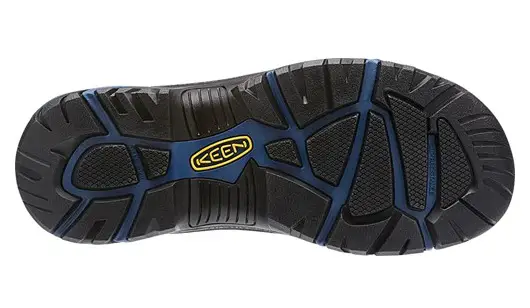
Keen hiking boot sole

This is one great sole. CLICK THE IMAGE to BUY the boots.


keen hiking boot heel

The boots are easy to put on. CLICK THE IMAGE TO BUY.

Cold Air Bathroom Exhaust Fan

Cold Air Bath Exhaust Fan TIPS

David Teal lives in Woodville, Ohio.

He has a problem that many people have. Let him tell you:

"A few weeks ago you had a article that discussed sealing and insulating a house. You failed to mention holes in the ceiling. I have five holes in my ceiling for vent fans. 

The flaps inside the fans don't work well at all. When the wind blows the bathrooms are freezing!  Is there something I can do besides taping over the vent holes?"

CLICK HERE to get FREE & FAST BIDS from local handymen that can install the vent hood and foam the pipe.

Here's my answer to David:

Thanks for reading my syndicated newspaper column. As you might suspect, the newspapers limit the number of words I can put in a column. As such, it becomes impossible to discuss each and every aspect of a problem. I usually have to deal with a thin slice of the problem.

The dampers in just about every exhaust fan I've seen are virtually worthless. I believe they're meant to stop animals from getting back into the rooms of homes, not air.

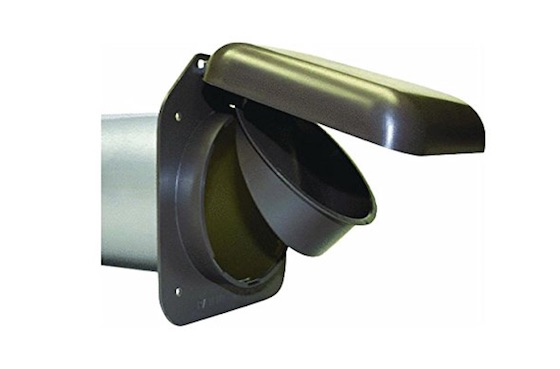
I'd recommend you install a flapper cap that has a double seal.

CLICK HERE to get FREE & FAST BIDS from local handymen that can install the vent hood and foam the pipe.

NoPest Vent

This is the vent cap that goes on the outside wall of your home to STOP all cold air from getting into your bathroom exhaust fan. CLICK THE IMAGE to order it now.

I used the product below at my own home last year and love how well they seal. I've completely stopped all the cold air from coming into my bathroom using this product. CLICK HERE to buy it.

Seal the Pipe

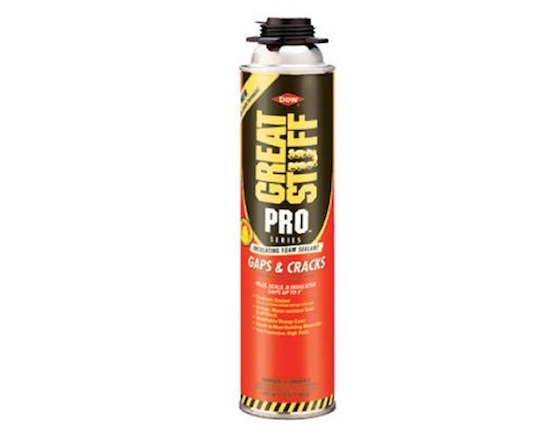
You also need to make sure the seams on the smooth metal exhaust pipe are sealed AND the pipe is insulated. The best way I've found to do this is spray the outside of the pipe with spray-foam insulation. Clean the mill oil off the pipe first with soap and water. Use this foam:


Great Stuff Pro Spray Foam Insulation

I've used this product for years. It's got the right name, that's for sure. Wear old clothes when using it. CLICK THE IMAGE NOW TO ORDER IT.


CLICK HERE to get FREE & FAST BIDS from local handymen that can install the vent hood and foam the pipe.

Bathtub Peeling Around Drain

Judy H. lives in OH. She had a great question.

"Hi, Tim.  Hope you can advise me.  We have an original porcelain bathtub (57 years old).  In 1990, we had it glazed by BathCrest, who are no longer in business.

The glaze has now started to peel around the drain.  I'd like to keep the tub as it would be difficult to remove from our small bathroom. 

I've checked online and Rustoleum has  a product that it claims can be used for repairing the tub. Are you familiar with this; it's called Rustoleum Specialty  and if so what's your opinion?

Aside from having an insert installed, do you have any suggestions or advice?    Thank you so very much for any help you can send.   Happy New Year!!"

Here's my answer to Judy:

Judy, HNY to you too. That's how we shorten it in Morse. I'm an amateur radio operator - W3ATB.

For starters, you didn't have your nice tub *glazed* by BathCrest. You had them come in and paint it. They may have used an epoxy paint.

To have a tub re-glazed, you need to send it back to the factory where it's put in the kiln and new clear silica is fused to the tub. That's what glaze is.

All paints are film formers and eventually will peel. No matter what paint you decide to use, and I've not used the Rustoleum Specialty paint - nor would I EVER use it where it would stay wet like near a tub drain - the paint WILL PEEL.

If you want perfection, then you put in a new tub and use the proper non-abrasive cleaners so it always maintains its gloss.

Good luck in your decision.

Built-In Bookcase Designs

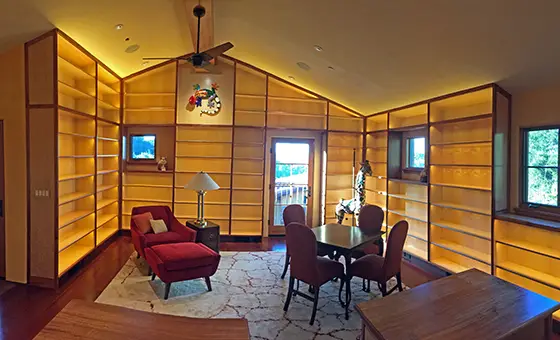
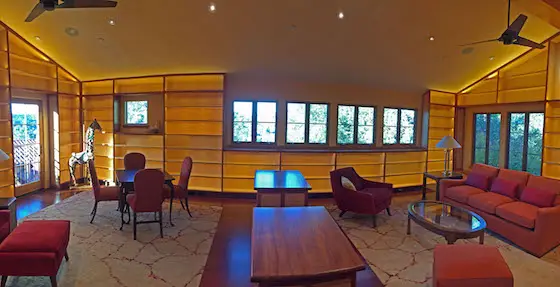
This is a modular built-in bookcase installation made with different hardwoods and special indirect lighting. © 2017 Jay Helms

Built-In Bookcase Design TIPS

DEAR TIM: I live in a 100-year-old wooden house and am doing all the refurbishing and maintenance myself that the laws of my country allow. I’m making floor-to-ceiling built-in bookcases for one of my living rooms and would love some tips. One of my challenges is the bookcase needs to span about 6 feet over a piano. What would you do to support those shelves so there’s no sag from the weight of the books? Any information you can share that would make this project look magnificent and be trouble-free would be appreciated. Harald Skaarn, Tønsberg, Norway

DEAR HARALD: I’ve cut my teeth as a builder / remodeler working on old homes such as yours. I discovered many things during that journey, including that the level of quality, as well as the materials, in these older homes varied to a large degree.

It didn’t take long for me to observe that the pride of workmanship in many of the older homes I worked on was far superior to the level of much of the work I see today. I wonder if it’s the same in your country.

Built-in bookcases are a wonderful project to tackle. I’m assuming you have the needed power tools to make your job easy with respect to cutting and assembling the wood. I’ll also assume you have moderate skills with respect to installation.

CLICK HERE to get FREE & FAST BIDS from local companies that can build custom bookcases.

If you plan out this project carefully, you can build the bookcases in modular sections that interconnect with one another. But when complete, it will appear as if the bookcases were carved out of a solid block of wood or the wall!

STOP - Draw a Plan

You probably already know this, but you need to draw a detailed scale plan of what you want. This plan would show the actual front view of what the finished shelves would look like complete but with no books in them. Think about creating larger areas within the shelves to display art or other things you own that aren’t books but would look fantastic on the shelves.

The plan needs to be larger scale. Draw one section at 1/2-inch per foot to start and see if it has enough detail for you. You want to draw each wall that's going to have bookcases. The plan has to show all the details you can see in your head. If you need to bump up the scale of the plan to 3/4-inch per foot to show what you want, then do it.

Build a Prototype

My first tip may surprise you. I suggest that you start very small. I’d build a prototype small stand-alone bookcase that includes everything you think you want. You’ll want to think about the color of the wood that comprises the sides, back and underside of the shelves. Perhaps you want the bookcases to have two, and maybe three, species of wood for contrast.

CLICK HERE to get FREE & FAST BIDS from local companies that can build custom bookcases.

When you plan to build this prototype, think about how you could make several and butt them against one another to cover an entire wall. It goes without saying that you need to carefully consider the height of the shelves so they’re tall enough for all your books, but not so tall as to waste space. Look at existing bookshelves to determine the sweet spot for the space above the top of books and the bottom of the next shelf above.

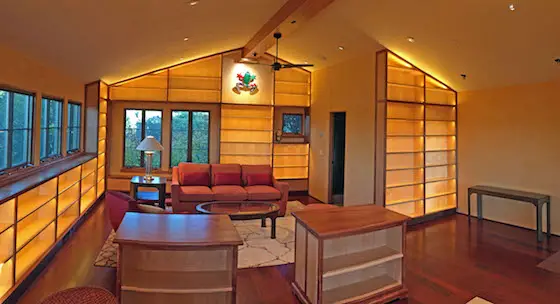
This is a side view of the room. These bookcases should give you plenty of inspiration. © 2017 Jay Helms

Indirect Lighting - Add the WOW! Factor

One thing I’d incorporate for sure would be low-voltage indirect lighting to showcase the books and provide softer lighting in the room. You may discover if you use a lighter-colored wood for most of the bookcases that the reflected light provides ample background lighting for the entire room.

CLICK HERE and wander through all sorts of low-voltage LED lights you can use for built-in bookcases.

The use of low-voltage lighting can help you solve your issue with respect to the wide shelves that have to span over the piano. There are many ways to make those shelves stiff and sag-free, with my choice being to incorporate a small beam under the front edge of the shelf.

Small Beams - Big Strength

This beam would be made from a very stiff hardwood species and be about 40mm (1.5 inches) high. When this piece of wood is glued and mortised into the horizontal shelf, that shelf will be very strong.

At the very least I'd build one prototype shelf and test it with what you expect to put on it. It can just be one shelf supported at each end by wood blocking. You don't need to build an entire case to test how strong one shelf it. See if it deflects after you load it and keep it loaded for a few days.

You’ll discover that this vertical piece of wood is an excellent place to put a thin strip of low-voltage lighting that’s aimed down and towards the back of the shelves. Your biggest challenge I believe, should you decide to incorporate the lighting, will be to get the right balance of light. You don’t want too much and you don’t want the lighting to be weak. Your small prototype shelves will help you solve this problem.

This photo is the other end of the room. I can't begin to describe how magnificent these bookcases are. I hope you enjoy these photos. © 2017 Jay Helms

Be sure you take into consideration how you’ll deal with electrical outlets. I don’t know the codes in your country, but see if you can’t put electrical outlets in the toe kick space down by the floor. You may have existing wall outlets in your walls that might have to be moved so they don’t fall right at the same height as a horizontal shelf.

Add Side Scribes

The odds are the walls to your house are not perfectly plumb or in the same plane. This means that the back of the bookshelves should be designed so their’s an airspace between the wood and the plaster. The vertical sides of your shelves would be made deep enough so they can be scribed to the uneven wall surfaces.

Before you start to draw your plans for this project, I’d take lots of time to look at photographs of built-in bookcases. If you live near a large library or older buildings that might have built-in bookcases, go visit them for inspiration. You may see subtle pieces of trim that create a unique look you had not thought of.

Note how the bookcases terminate at the floor and along walls near a doorway where you might need to have a finished side of a bookcase. Pay close attention to each and every detail including how the shelves are supported.

CLICK HERE to get FREE & FAST BIDS from local companies that can build custom bookcases.

Column 1177

Decorative Patio Stones

Decorative Patio Stones

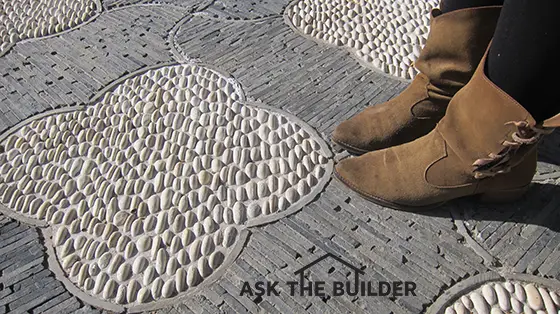
Decorative Patio Stones | Here’s just a small section of a massive patio and sidewalks constructed with decorative stones at the Huntington Gardens in Pasadena, CA. © 2016 Tim Carter Builder

DEAR TIM: I was on vacation before Christmas visiting relatives in southern California. I love outdoor plants so we visited a place called Huntington Gardens in Pasadena. There I saw the most unusual patio and sidewalk paving. Never before had I seen such beauty and thought it was fake. Different small stones that were different colors and shapes were combined to create a gorgeous pattern. How can I duplicate this or at least get close to what I saw? I intend to do this myself. What needs to be done to ensure all the hard work doesn’t fall apart, crack or otherwise deteriorate. I live where we get freezing weather unlike sunny southern California. Mary S., St. Paul, MN

DEAR MARY: I’ve built lots of patios in my life and many years ago built a medium-sized decorative stone-encrusted fishpond for my wife at our second home. What’s more, I’ve walked on that patio you saw in Pasadena. In fact, I photographed it for my own records because it was so unique. I believe I know exactly how the master stone masons built that patio and the connecting sidewalks. While there, I knelt down and studied it.

How hard would it be to recreate the same patio?

If you intend to duplicate exactly what you saw, you’re going to spend quite a bit of money to make the curved pieces of stone that create the border around the rounded white stones you saw. I can only imagine what the price of that might be. If it’s out of your budget, think about going with a pattern that can be done with straight pieces of stone you cut to fit. I agree that the curved border and curved pieces of border that connected the emblems are part of the overall beauty of what we saw.

You’ll also have to source all of the materials you saw in that patio. Besides the curved stone border sections, you just need to locate the smooth white stones and the thin gray rock that was installed on edge in between the white pebble emblems.

It could be very difficult to source these near your home and you may have to substitute other material that looks similar. In fact, you may discover that you can find other stone that has colors that look even better than what you saw. Be sure the stone retailer can prove to you that the stone you choose can withstand freezing temperatures in a horizontal position in the ground. Not all stone can survive these conditions.

Create a Scale Drawing of the Stones

The first thing you need to do is create a scale drawing of what you have in mind. This drawing will help you estimate the number of curved pieces of cut stone for the borders. Be sure you order no less than 20 percent more than you think you’ll need. Some may get broken in transit and you simply can’t afford to run short of this special material.

Based on what I saw at that patio and without doing any forensic snooping which would be very unprofessional since it’s not my patio, I estimate the finished patio covering was about 1.5 inches thick. Both the curved border pieces and the thin stone on edge would be the same height. This makes it somewhat simple to install most of the finished stone.

Beneath the decorative stone you and I saw I’m sure there’s a poured concrete sub-base patio. This is how I built all of my past decorative brick patios. The brick I used happened to be 1.5 inches thick and I set them in about a half inch of cement mortar.

I’d pour the concrete slab 5 inches thick and I’d have one-half-inch steel reinforcing bars in the middle of the concrete in a grid pattern much like common graph paper. The steel should be no more than 2 feet on center in both directions. This steel prevents the concrete from developing wide cracks and it helps keep the concrete all in the same plane over time. It’s important the concrete is poured on well drained compacted soil.

The concrete slab needs to be finished with a sandy or broom-finish and it must be in the same plane. Be sure it has some tilt to it so water drains off the slab and doesn’t puddle. Any water that falls on the patio needs to be able to drain away.

Should the patio have drainage?

Because you live where it freezes, I’d design your patio so it drains water away from the underside of the decorative stone. I’d want the decorative stone to sit on top of small rounded pea gravel that’s about 1 inch thick on top of the concrete. Water that falls on the patio will pass down to the pea gravel stone and then gravity will pull it to the sides of the patio. Be sure the low side of the patio allows this water to drain away through a buried pipe system on the outside edge of the patio. This prevents water from collecting under the decorative stone which will freeze in winter and cause havoc.

The center of the emblems would be installed using pigmented Portland cement mortar and fine sand. I’m sure the masons at Huntington Gardens used pure silica sand and white Portland cement based on my inspection. Silica sand is a great material because it’s a uniform color and quartz is such a durable mineral. You can easily get bags of silica sand where you live.

The rounded stone were set in fresh mortar to hold them in place. I’d make a strong mix of 2.5 parts sand to 1 part Portland cement. It will require some practice to get the mortar so it lays flat in between each rounded stone. I’m sure you’ll have to use a small stick or tool to tap the wet mortar to get it to the required height.

To achieve perfect results, I’d build a small patio first. You can test out your skills there to ensure the materials will all work well together. Don’t underestimate what water will do to the patio system in the winter months. You must engineer a way for rain water to rapidly flow off the top of the decorative stone and from beneath them.

Knee Pads - Get them - Use Them

Be sure to purchase some excellent knee pads as you’ll need them. You’ll spend countless hours on your knees building this patio, but it will be worth it.

Column 1176

December 23, 2016 AsktheBuilder Christmas Message

It's a glorious bluebird day here in central NH. The sun has been up for about 30 minutes or so.

Two days ago, the Winter Solstice happened about ninety minutes before sunrise. It's my favorite day of the year because after that point, there's more daylight each day if you live north of the Equator.

I want to first wish you a very Merry Christmas. It's going to be a good one here at the Carter house.

This past week Kathy has been baking all of her traditional cookies and other delicacies and I've been loitering around the kitchen telling her that we should "test" everything to ensure there's no poison in anything.

After forty-two years of marriage, she wasn't buying what I was selling. Every now and then she'd relent and allow me to have a warm and moist cookie or pastry fresh out of the oven.

One of my absolute favorite pastries she makes is a date bar recipe that's to die for.

Then there's the ginger cookies and the buckeyes. This year I suggested that we double dip the buckeyes and even make little rolls or peanut butter cylinders instead of round balls.

That went over like a lead balloon. I'm going to try making a batch myself.

Next week I'm going to take a day off and drive down to Mordor. That's what we call Boston around here. If you've driven around Boston, then you might understand why that name is appropriate.

I'm going to do a day of amateur radio *activating*, hopefully, at least four - if not five - National Park properties in and around Boston. I'm participating in the National Parks on the Air event. Click that link to understand what an *activator* does.

Right now, I'm the top activator in New Hampshire with a slim lead of just one! I've activated seventeen National Park units and the #2 radio operator has done sixteen. I want to make sure I end up on top as the event ends next Saturday at 6:59 pm Eastern Time.

If you live in and around Boston and want to try to do a fast meet up, let me know and I'll see if we can pull it off. I'm thinking that I'm going to come down next Thursday or Friday.

What's Happening in 2017?

Next week I'll spend a few days doing lots of planning for 2017.

Here's the first order of business:

Publish my Roofing Ripoff expose' book. I should have that ready for you no later than the third week of February.

If you've got a newer, say less than three-year-old asphalt shingle roof, then you absolutely need this book. Your asphalt roof is falling apart before your eyes - see all those granules tumbling off the roof? - and I have a magic thing you can do to make your roof last for decades instead of the six or seven more years you'll maybe get out of it.

If you're going to be installing a new roof in the spring, you NEED this book. You want to get the best shingles and you also need my magic discovery.

It will be available as a .pdf download, on Amazon Kindle and as a paperback.

I'm also going back into the small eBook publishing business. I need your help and you'll see a survey just after January 1st. The survey will allow you to take partial ownership of this new project.

I want YOU to tell ME what you want me to help you with.

I've decided that you, and especially the millennials, might need small picture and video eBooks showing you how to do simple and intermediate repair jobs around your home.

Do you agree? I'm going to do ten free ones to start. I'll want your feedback on the first few to get the format just right.

The next big thing for 2017 is a huge deal that's just starting to come to fruition. I can't tell you much about it at this point, but here's what you need to know.

If this deal happens, you're going to see LOTS more of me and the deal will provide the much-needed resources I've wanted for about the past fifteen years to EXTRACT much of the accumulated knowledge in my brain so it can be used by you to save time and money.

That's confusing and cryptic isn't it? But hang with me.

You're going to be able to HELP me make this deal come true.

How?

Just after the first of the year, I'm going to ask you to go to a local store in your city or town and purchase something. It's an astounding product and it's not expensive. I guarantee you it's something you can use around your home.

I'm also going to ask you to take the time to find the store manager or the owner and tell her / him something.

If you do these two things, then you'll set the wheels in motion to make the deal happen that much faster.

Stay tuned for all these exciting things!

2017 could quite possible be the best year for both you and me.

Let's make it happen together!

Please have a great Christmas with your friends and family. I know I'm going to do that.

MERRY CHRISTMAS to you and once again I ask that you watch the following video (click the link just below) and listen oh so closely to what Old Rose says to the explorer after he lets the Heart of the Ocean necklace slip through his fingers.

The words Old Rose speaks should be your touchstone for this Christmas and the rest of your life.

CLICK HERE.

Once again, have a MERRY CHRISTMAS!

I'll be back next week with more news and home improvement tips!

Tim Carter
Founder - www.AsktheBuilder.com

HO HO HO!

Do It Right, Not Over!