3D Printed House Cost

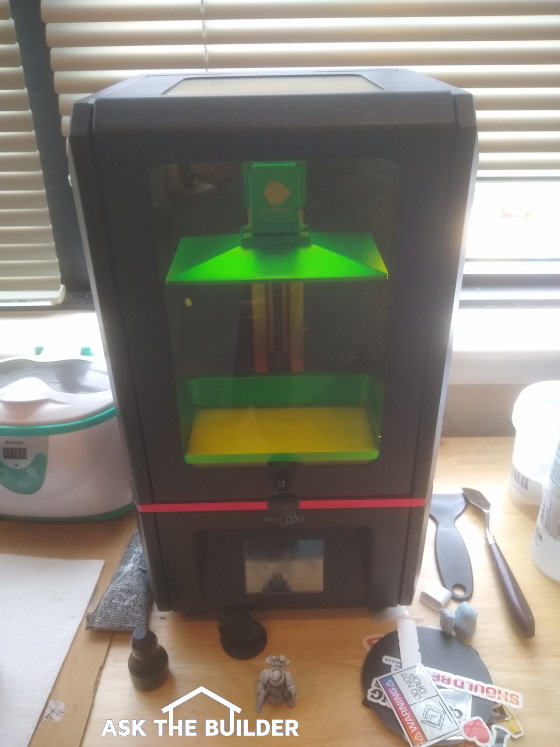
3d printer

3D Printed House Cost | This is a 3D printer. It could print a tiny house for a model railroad. You need a giant machine to print the walls for your home.

3D Printed House Cost - It's Not All Unicorns and Rainbows

You may wonder if the new belle of the ball, 3D printed house, is really going to cost you less money to build than a normal house. Some publications fawn about new techniques like these and only share the glitter and gleam of the technology. This is nothing new as decades ago lots of bold promises were made about geodesic dome houses and A-frames. Both were flash-in-the-pan trends and only time will tell what will happen with 3D printed homes.

I prefer to roll up my sleeves and deal in reality when it comes to what a 3D printed house cost might be. Let's unpack what's in play.

What's Really Different About a 3D Printed House?

The only thing that's different about a basic 3D printed house vs. one built with lumber is the exterior walls. You can build a 3D printed house where all the walls are made with the concrete batter that oozes out of the machine nozzle, but for sake of this column, let's just consider the exterior walls.

A concrete mortar created with sand and Portland cement is extruded through a moving nozzle. Layer after layer of this mortar is placed precisely by a computer-controlled machine. The resulting wall takes the place of a traditional wood-framed wall that could have been built in a factory using similar precision technology.

Keep in mind that a traditional single-story house built with wood wall panels made in a factory can be ready for the roof in less than one day. I'm talking about comparing apples to apples with a 3D-printed house. Let's assume any square footage less than 2,000 square feet for sake of discussion. So don't get wowed when the 3D printed house folks tell you it's a huge time saver.

Other than that, everything else in the house is pretty much the same as a normal frame house. Watch this short video to understand the technology:

What are the Drawbacks of a 3D Printed House?

There are lots of drawbacks or hidden bugaboos with 3D printed homes. Almost all of these factor into the cost of the 3D printed home and some may actually cause the price of the home to go up. The following questions are ones you should be thinking about asking a 3D house builder.

The following is not a complete list of drawbacks or questions you might ask. These are just a few of the major ones that are tumbling around in my tiny gray cells as I write this column.

Mobilizing the Giant 3D Printer

Imagine what it costs to drive the giant machine to your job site, set it up, calibrate it, and then take it all apart once the job is complete. Are there any extra foundation or site requirements to ensure the machine is completely stable as it operates? Do you need to pay for a crane twice to lift it off then put it back on a flat-bed tractor-trailer?

Quality Control of the Mortar

How is the quality and integrity of the cement mortar controlled at the job site? Is this mixture created by workers on the site or brought from a ready-mix concrete plant? How do you know if the material has enough Portland cement in it?

Exterior Insulation

The exterior walls are solid concrete. Masonry is a poor insulator and heat is sucked into cold masonry faster than water entering a sponge. How do you achieve a R-rating for exterior wall insulation that will meet or exceed the energy code recommendations? CLICK or TAP HERE for a table of exterior wall R-values for all USA states.  Do you have to build a wood-frame wall inside the exterior wall and then add fiberglass? Do you glue closed-cell foam to the inside of the exterior walls?

Building In Cold Climates

The concrete mortar used to build 3D printed houses contains water. You can't allow this water in the oozing mortar coming out of the printer nozzle to freeze before it achieves a certain PSI strength. CLICK or TAP HERE to understand what's in play when working with concrete in cold weather. Yes, you can add anti-freeze chemicals to the mortar mix to help prevent freezing, but check into how these chemicals affect the long-term strength of the concrete mortar.

That said, what are the limitations of building a 3D printed house if the weather forecast for the day the printer is turned on is for a high of 20 F with a low temperature that night of -3 F? What extra costs are involved to prevent the wet mortar from freezing?

Installing Electric in Exterior Walls

How are electric outlets installed in exterior walls? The National Electrical Code is quite specific about the requirement of having outlets every 12 linear feet on walls in rooms. It's quite obvious the electric is added later after the 3D printer is moved to the next job site. How is the electric work done and what does it look like? Will it be the industrial look with metal conduit and boxes screwed to the exterior walls?

Plumbing on Exterior Walls

It's common to have a kitchen sink on an exterior wall centered on a window. How do you install the plumbing drain pipe and the required vent pipe in the 3D printed wall? Don't let the builder or plumber tell you they're going to use a modern air-admittance valve (AAV)! These mechanical devices with moving parts eventually fail allowing sewer gas to enter your kitchen. You don't want an AAV, believe me.

Kitchen Cabinets

Many houses have a kitchen wall or two on an exterior wall so you can get natural light into the room. How are kitchen base and wall cabinets attached to the rough 3D printed concrete walls? How do you deal with countertop backsplashes on these exterior walls? What extra costs are involved dealing with the rough surfaces?

Interior Wall Surface

What is done is you don't like the look of the rough 3D printed concrete? How do you get a smooth interior wall? What does this cost?

Exterior Wall Surface

Most of the 3D printed homes I see the exterior concrete layers are just painted. What happens if you don't like this look? What if you want a brick, stone, wood, vinyl, or other exterior surfaces that might appeal more to your tastes?

Don't fall for the sizzling sales talk when it comes to 3D printed home cost. Use your own tiny gray cells and imagine other questions that you might want to ask before you decide this is the path to take.

This column was featured in the July 4, 2021 AsktheBuilder Newsletter.

Column 1413
June 27, 2021 AsktheBuilder Newsletter

I can tell by the smile on your face that you're new here. How exciting to get your first issue of my newsletter! I recommend we dance to celebrate. CLICK or TAP HERE to see what song is swirling around in my head! It should make you feel pretty happy.

That said, you may remember another song I shared a while back. It's a duet that might flood you with lots of dreamy memories of when you were a little younger. It does for me, that's for sure! CLICK or TAP HERE and take a few deep breaths.

"It Didn't WORK!"

A few days ago, I got an email from a woman claiming my Stain Solver didn't get algae off her exterior cedar shakes after two attempts at using the product. She was pretty frustrated.

I'm sharing this because there are two teaching moments in this situation. This same scenario plays itself out each day thousands of times with countless products. Heck, you may even have been upset when some product you bought didn't work as advertised.

Her last sentence was, "...I ended up cleaning it with straight bleach."

OUCH!

In your opinion, what was the first thing she did wrong? Think a moment before you settle on your answer.

In my opinion, she didn't STOP and jump on the phone to call us for help after it didn't work the FIRST TIME. She immediately blamed the product, when it could have been an oversight on her part. Based on my experience, I'm sure she was not using the Stain Solver the way I show in all the Stain Solver videos.

When you have a problem with any product, STOP using it and either CALL the manufacturer or visit their website to see if there are better instructions than what's on the label, how-to videos, etc. Don't be so quick to pull the trigger on the product being bad.

In the case of Stain Solver, there are thousands of homeowners who have used it to make their cedar shakes look BRAND NEW. I've cleaned thousands of square feet of cedar with it so I know it works.

Here's the second teaching moment. Why is bleach - chlorine bleach - bad for wood? Well, if you saw the photo she sent me of her RUINED cedar, you'd never even think of splashing it on wood. Her cleaned cedar, which is supposed to be a stunning reddish-brown, is now WHITE as a ghost. Frustration when mixed with a dash of obstinateness is the recipe for bad jujumagumbo!

FREE BIDS - Local Contractors

Get FREE BIDS for any job inside or outside your home. You’ll get calls within an hour.

Fun Rechargeable Batteries Quiz

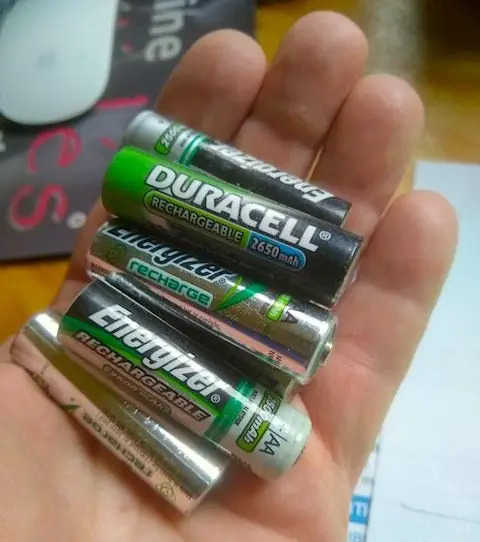
Did you know that there are enough disposable one-time-use AA batteries THROWN AWAY each year that if put end to end they'd circle our Earth Ball just about three times? Are you one of these people adding to the 235 tons of batteries THROWN AWAY EACH DAY?

Do you purchase normal AA or AAA alkaline batteries for things in your home or business? Have you ever done a price comparison between alkaline batteries vs rechargeable ones? What about the chargers? Are there big differences in chargers?

rechargeable AA batteries

I urge you to take this really short fast fun quiz to see what you know or don't know about rechargeable batteries. I'm in the process of reviewing some of the BEST rechargeable batteries I know of and will report my findings SOON. CLICK or TAP HERE to take the fun quiz.

Bogus Invention Claim

A few days ago, I received the following email from Rusten:

"I'd like your thoughts on a new invention to keep rain water out of people's basements."

He also included a link to a website showing this new invention.

Having a degree in geology with a focus in hydrogeology - the study of groundwater - I'm a sucker for anything that might help STOP water from going into basements.

Well, I went to the website and was stunned to see a silly hinged downspout diverter that flops down when rainwater flows down the downspout. The aluminum channel goes down like a castle drawbridge and DUMPS the water 3 feet from your home.

This is NOT THE WAY to STOP water from entering a basement. No way. No how.

CLICK or TAP HERE to see how to STOP WATER from entering your basement or crawlspace.

That's enough for a Sunday.

If you get up early on the East Coast and are reading this, I'll be outside in a portable screened shelter on my amateur radio. This weekend is the annual Field Day.

I've set an ambitious goal and will try to make contact with no less than 150 other operators in a 24-hour period. I'll be using just 5 watts of transmitting power, my radio will be powered by a 12 Ah battery, and a solar panel will be charging the battery.

That's the point of Field Day - to get out in the field and practice using all your radio equipment under emergency conditions. It's easy to stay in a shack and do radio. It's quite another thing to be in a cage fight with bugs, the heat, and possible rain storms.

That's why the primary sell line of ham radio is:

When all else FAILS...

Yes, some of us operators know how to get outside, setup communications, and save lives and property using our own personal equipment. CLICK or TAP HERE to see how I train to do this each year.

Tim Carter
Founder - www.AsktheBuilder.com
Pre-Sale NEXT WEEK - www.StainSolver.com
Field Day - www.W3ATB.com

Do It Right, Not Over!

P.S. Tell me, do you think you know the right way to connect a deck post to a pier? My guess is, no. CLICK or TAP HERE to see if you were right.

Rechargeable Battery Quiz

Rechargeable Battery Quiz

Connecting Deck Posts and Piers

Connecting Deck Posts and Piers

Connecting Deck Posts and Piers | This is a 6x6 treated post connected to a poured concrete deck pier that extends down 54 inches into the soil. Copyright 2021 Tim Carter

Connecting Deck Posts and Piers - Use the Right Hardware

QUESTION: Tim, you helped me years ago and now I’m back. I’m going to build a freestanding deck at my house during my vacation. After watching lots of online videos, I’m somewhat confused about how to connect the deck posts to the concrete piers. What is the best way?

I’m worried about my freestanding deck swaying back and forth. The top of the deck is going to be about 7 feet up in the air. My goal is to have the deck rock solid. What should I do to make this happen? Ron S., Richmond, VA

You may have ambitious plans like Ron. A deck could be in your immediate future. Even if you’re going to hire a contractor to build your new deck, you might want to heed the advice I’m about to dole out to Ron. I say this because each week I receive lots of photographs from homeowners like you who have hired contractors to do work. The photos of the mistakes make me shudder!

How are Deck Foundations Different From House Foundations?

Ron understands that his deck needs to rest upon concrete footings or piers. That’s a great start. What’s important to realize is a deck foundation is much different than most house foundations. A house foundation typically has a continuous footing and foundation under all the bearing walls. This distributes the weight of the structure over a much larger square foot area under the house than what’s happening under a deck.

A freestanding deck is not much different than a card table that has four legs. All of the weight of the table and whatever is on it transfers to the floor. This weight is concentrated on just the four small bottom pads of the table legs. A table and all the things on it might just weigh fifty pounds. A deck fully loaded with people attending a party, the deck itself, and all the deck furniture might weigh several thousand pounds.

How Much Weight Is On Deck Piers?

Do the math as to how much weight is pushing down on each deck post and you see why you need to have concrete piers resting on solid soil. Keep in mind if you live where the soil freezes, the bottom of this concrete pier must be deeper in the soil than the frost penetrates. Your local building department can advise you as to the frost line in your area.

What Diameter Should a Deck Pier Be?

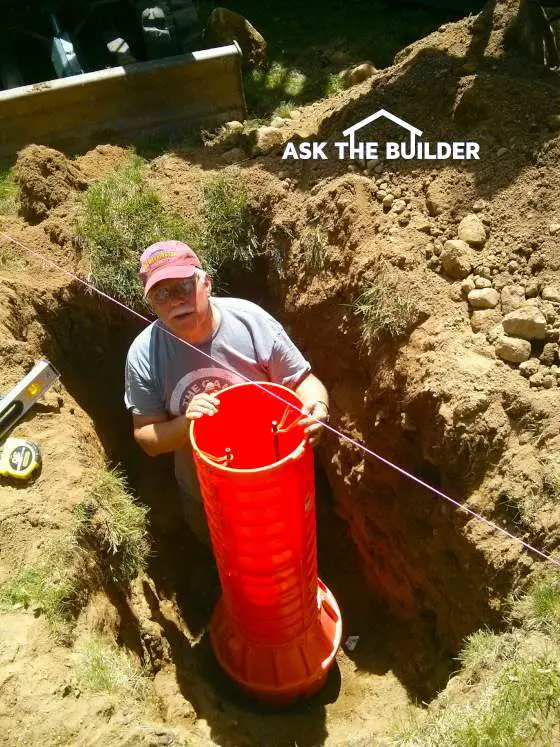
In almost all cases, a 2-foot-diameter pier is sufficient. This pier can get smaller as it comes up to the surface of the ground. A 1-foot-diameter pad at the top of the pier is plenty of space to place a 6x6 or 4x4 wood deck post.

deck pier form

Note how the bottom of the pier is bigger than the top. This is me setting a deck pier form. Yeah, they need to be that deep in the ground in New Hampshire to prevent frost heave. (C) Copyright 2021 Tim Carter

Should Deck Posts Be Fastened to the Concrete Pier?

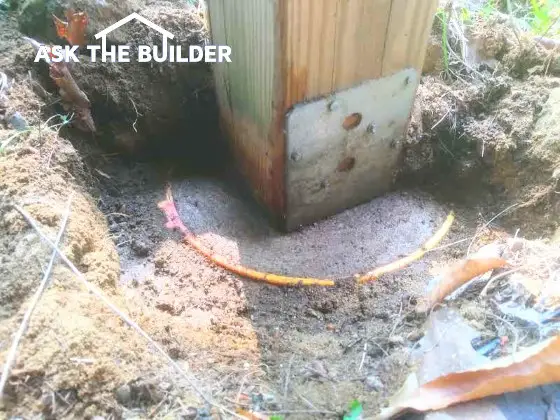
The deck post must be fastened to the concrete pier. It’s best to place a long 1/2-inch anchor bolt in the wet concrete that will be used to bolt down a heavy galvanized metal deck post base. There are quite a few designs and I prefer to use ones that allow for a little adjustment of the post base if the anchor bolt is not in the exact perfect location.

stair cleat with simpson post bases

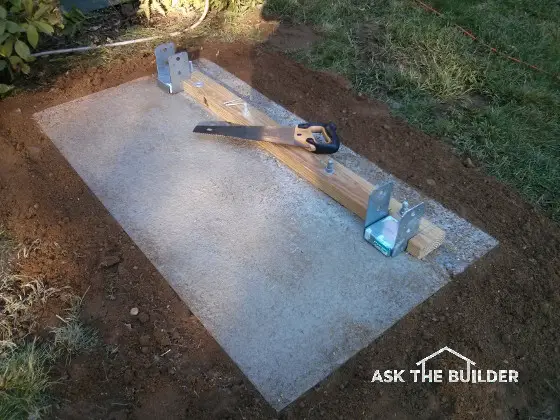
These are two metal post bases bolted to the thick concrete landing pad for a deck stairs. These post bases are for the bottom newel post for the staircase handrail. You can use these metal bases for connecting wood posts to concrete for many purposes. Copyright 2021 Tim Carter ALL RIGHTS RESERVED

Many of these post bases are designed so the wood post sits up off the poured concrete pier. This is a good idea as you don’t want the treated wood to be buried in the soil. I’ve personally pulled treated lumber out of the ground that was eaten up by termites. I’ve seen treated lumber rot that’s been in constant contact with wet or damp soil.

Should I Use Roofing Nails to Connect the Post to the Base?

Be sure that you use the proper galvanized threaded bolts to attach the wood post to the metal post base. Never use roofing nails. Roofing nails are not structural fasteners. You need high-quality hot-galvanized bolts that can withstand the corrosive environment that’s in play at the bottom of the post base. The copper in the treated wood when mixed with rainwater will start to corrode steel or iron that’s not protected by a thick galvanized layer or two of zinc.

Is it a Good Idea to Hire a Structural Engineer?

The best money Ron can spend on this project, and you should consider it too if you’re building a deck like his, is a consult and simple plan from a local residential structural engineer. These professionals can develop an easy-to-understand plan that shows all the proper bracing that needs to be installed so the deck will not sway.

CLICK or TAP HERE to get FREE BIDS from local structural engineers.

The Internet is littered with videos of deck collapses. People have died and been seriously injured when a deck collapses. I know a young woman who fell from a collapsed deck. She broke her neck and ruptured her spleen yet somehow survived albeit in bad shape.


How Much Weight Do People Add to a Deck?

Imagine what the combined weight is of thirty adults dancing up on a deck. It can easily be over two tons. 30 x 150 pounds average = 4,500 pounds! Dancing can create a harmonic motion that starts to get amplified as the people all dance to the same music. It’s a recipe for disaster if the deck doesn’t have abundant diagonal horizontal and vertical bracing.

For starters, think about what corner fence posts look like on a ranch. The corner fence post almost always has two diagonal braces that extend either direction from the top of the corner post down to the base of the adjacent fence post. This brace prevents the top of the corner post from leaning over towards the row of posts as the fencing is stretched. Your deck needs these same braces.

The engineer will not only call out the type of bracing that’s required, but he’ll also call out exactly how you connect the braces to the framing. His plan will show exactly what hardware or fasteners to use. If the plan calls for a 1/2-inch-diameter through-bolt, don’t drill a hole larger than 1/2-inch diameter. You always want structural fasteners to fit snuggly in the holes.

Column 1411

June 20, 2021 AsktheBuilder Newsletter

Welcome, especially if this is your first issue. I love saying "Hello!" to you and every other new subscriber right up top here.

That said, you may be a very seasoned subscriber. Do you happen to recall the video I did that shows you how easy it is to drill a hole in just about any steel item you may have around your home?

Keep in mind that if you're drilling thin metal, clamp it down and wear thick leather gloves. CLICK or TAP HERE to see how easy it is to drill holes in solid steel.

FREE BIDS - Local Contractors

CLICK or TAP HERE to get FREE BIDS for any job inside or outside your home. You’ll get calls within an hour.

Where Are the Fans?

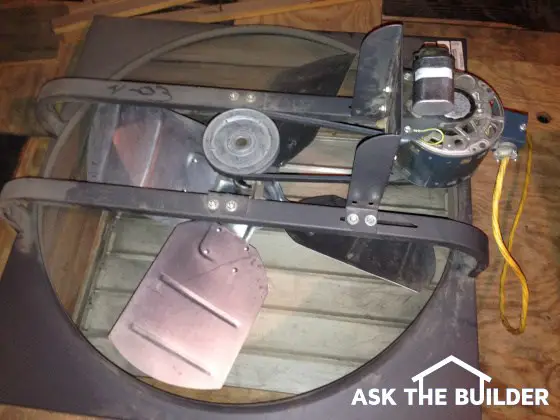
Lewis Greene emailed me asking, "Why do you rarely, if ever, see whole-house fans in new houses?" Here's one:

whole house fan

How would you answer Lewis?

Here's mine. Whole-house fans were just part of the technology and comfort step ladder. They were very popular after the great WW II and could be found in the attic of many houses. As time progresses, new technology and products trump older ones. That's happened to whole-house fans.

In the 1960s, central air conditioning started to become affordable to the masses. I distinctly remember the outdoor compressor unit being installed in my childhood home.

Prior to that, sleeping on sweltering summer nights in our brick-oven of a house, was almost torture. After the AC was installed, I thought I had died and went to Heaven.

Once people started to see how wonderful it was to have a central air conditioner lower both the dew point and the temperature in a home, they were all in like a game of Texas Holdem'.

Whole house fans work great in climates like New Hampshire and other parts of the world where you have dew points in the mid 50-F range. But if you're in New Orleans, Houston, Orlando, or steamy Miami, you'll kick that whole-house fan to the curb faster than you can say "Alexa, turn down the temperature."

Attention Architects & Draftsmen/women

I know I've mentioned several times that I draw plumbing isometric drawings for anyone that needs to secure a plumbing permit.

When I start to draw, the first thing I do is look at the plan and imagine I'm the plumber. I need to see how I'm going to get the pipes to all the rooms they need to be in.

Multi-story houses pose problems and I'm seeing a disturbing lack of foresight on the part of the person who's creating the floor plans. These people are not looking out for the plumber, much less the HVAC installer who has bigger ducts, nor are they thinking about how in the world you're going to get a 3 or 4-inch pipe across a ceiling and down a nearby wall.

Keep in mind it's always best if you can keep vertical plumbing stacks inside interior walls. Putting one in an exterior wall would always be my last choice for a host of reasons.

Rarely was this an issue in old homes. I rehabbed many an old home in my youth and the architects of old understood that you need to have interior walls that are aligned with bathrooms above.

If you're getting ready to build a new home, I urge you to get your plumber and HVAC man involved early in the planning process. You'll never regret doing this.

Magic Roof Paper

Close your eyes. Oh, wait, if you do that you can't read.

Imagine a paper product made with Teflon components that reflects the sun's heat and even sucks heat out of the interior of a home.

The author of an article about this claims it's so great it can make it so you don't have to use AC in your home. Here was the headline of the article. Realize an editor may have created the headline:

New Sustainable Roofing Material Can Naturally Keep Buildings Cool Without A/C

Does this sound too good to be true? It does to me.

My tiny gray cells came up with this partial list of questions:

How does this material stand up to hail and the sun's destructive UV radiation?

What would a roof covered in paper look like? Similar to the houses covered with blue tarps after Hurricane Katrina?

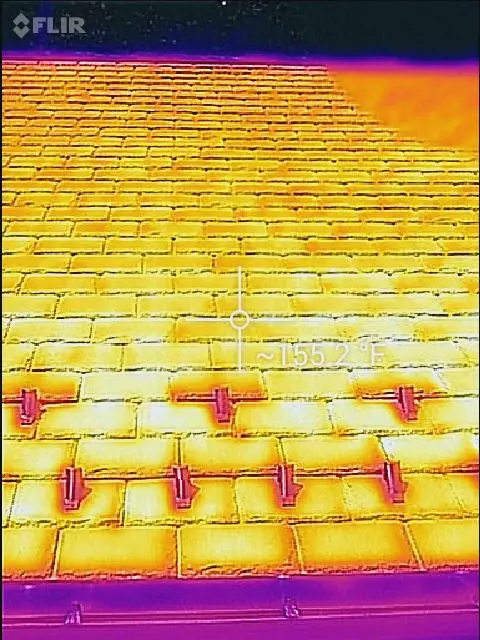
What happens to the heat? Look at this photo of what my roof temperature gets to on a summer's day:

Flir camera roof photo

Think LONG and HARD about that last question of mine.

What is happening to the heat the paper vacuums from the inside of your home?

The point I'm trying to make is be really careful of products that make incredible claims. Don't become a lab rat. Have someone else you know install it at their home and see if it really works.

That's enough for Father's Day. I intend to do some outdoor radio today and kayak for sure. I may be tempted to ram wake-boarding boats that play their music TOO LOUD.

Tim Carter
Founder - www.AsktheBuilder.com
Pre-Sale SOON - www.StainSolver.com
Field Day Next Week! - www.W3ATB.com

Do It Right, Not Over!

P.S. Answer me honestly. Do you know how to SQUARE a foundation, a wall, a patio, etc. WITHOUT using any crazy math, including algebra? I know how and share the secret HERE.

How to square a building

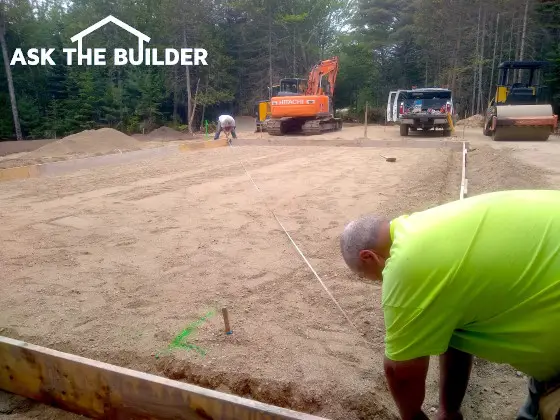
These two men are checking the diagonal measurement for the forms for a concrete slab. They want to make sure it’s square. Copyright 2021 Tim Carter

How to Square a Building

How to square a building

How to Square a Building | These two men are checking the diagonal measurement for the forms for a concrete slab. They want to make sure it’s square. Copyright 2021 Tim Carter

How to Square a Building

Last week, a 75-year-old man submitted a question on the Ask Tim page of my AsktheBuilder.com website. I get quite a few each week and answer each one. This particular question put a huge smile on my face because it screamed “ATTITUDE”.

Connie, yes it can be a name for a man, said, “I am going to attempt to build my home myself using some subs to do various work. I am going to do the footing and foundation. How do I lay out my batter boards with a string line to make sure my piers are all straight and in line?"

Can you imagine the excitement he’s feeling about starting this project? Don’t you love a positive attitude like this? To be sure it needs to be mixed with realism as to what he can do physically. I was immediately reminded of Harry Andrews who build the one-of-a-kind Loveland Castle along the banks of the Little Miami River in a suburb of Cincinnati, Ohio.

Harry set a goal in 1927 nearly a decade after serving in World War I. He decided to build the massive castle and continued to add stone after stone until his death in 1981. While Connie’s house dream is much more modest, I admire people who set goals and do their best to achieve them. We should all take a lesson from Connie and Harry!

Connie asked a few of the right questions but he didn’t touch on a few really important ones about what needs to be done when you decided to build a foundation. Let’s start to unpack the process and I’ll share some of the common pitfalls I see many professional builders make.

Why is Foundation Height Important?

The height of the foundation is perhaps one of the most important things to consider. All too often I do autopsies on water-infiltration issues homeowners suffer because the top of their house foundation is too close to the ground surrounding the house. Drive through some older neighborhoods in your city or town and it’s not uncommon to see the top of the foundation 30, or more, inches up out of the ground! Click or tap here to discover so much more about foundation height and why it's so very important.

CLICK or TAP HERE to get FREE BIDS from local foundation contractors who can get things square.

How High Should A Foundation Be Above Ground?

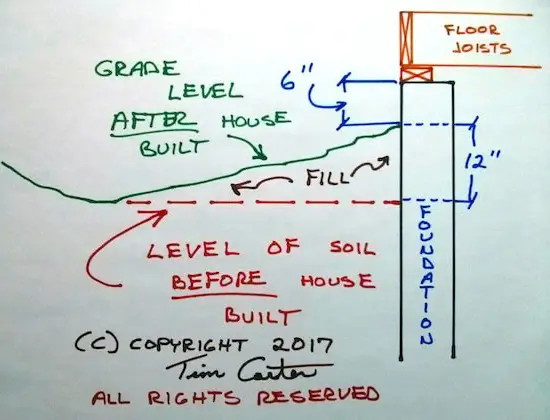
The building code, which happens to be a set of minimum standards, states that the top of the foundation must be no less than 4 or 6 inches above the ground that touches the foundation. But wait, there’s more! The ground must then slope away from the foundation a minimum of 6 inches within the first 10 feet of horizontal distance from the foundation. Confused?

foundation height above grade sketch

What this means is that your foundation should simply mimic the top of a hill where all the ground around the foundation slopes away so you have great water drainage and surface water doesn’t flow towards the house. Remember, the numbers above are minimum requirements. You can create more fall if you want.

How Do You Square a Foundation or Wall?

In my opinion, the next most important step is to make sure the foundation is square. Connie didn’t mention this, but I’m sure he’s aware of it. You were taught how to do this all those years ago in high school geometry class. Remember when you grumbled under your breath sitting at your desk saying, “When am I EVER going to use this silly formula about right triangles?” Well, today is the day.

The really amazing thing about this is you don’t need to know any math at all to get a rectangle square. After all, a rectangle is simply two identical right triangles smashed up against one another. Here’s what Connie, or you, need to do to get the batter boards or form boards for a foundation square.

The first step is to make sure the measurements of the opposites sides of each leg of the rectangle, or even a square, are the same. For example, if Connie’s house slab measures 45 feet by 28 feet, then he needs to make sure the two opposing form boards do measure 28 feet and the other two are exactly 45 feet. That’s easy to check.

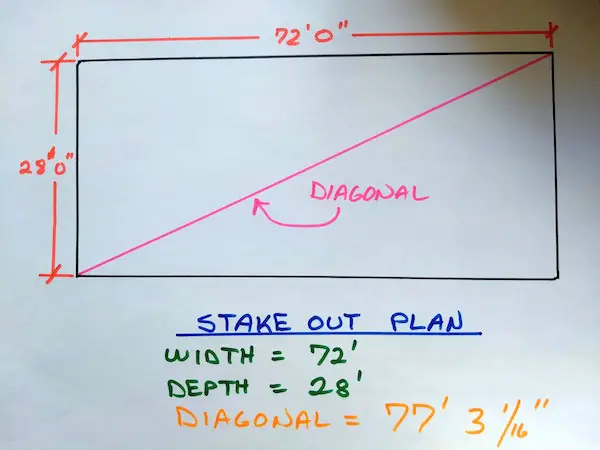
You then make sure all four sides are straight. Now you stretch a tape across the diagonals of the rectangle and see what the measurements are. If you’re lucky, they’ll measure exactly the same. This means the form is perfectly square as you’ve got two identical right triangles.

stake out plan drawing

That diagonal will be the same for the opposite two corners when the rectangle is square. Can you see you have two identical right triangles stacked on top of one another? It's best to create one of these simple drawings before you get out to the job site. Double-check the diagonal calculation. TAP THE IMAGE to get the cool calculator I use to do this.

But if the diagonal measurements are different, you need to pull one side of the forms so the one diagonal measurement shortens. Have someone hold the opposite side of the forms so they don’t move while you pull. As this happens, the short diagonal measurement will automatically lengthen. You don’t need to have a calculator or know any algebra. It’s magic! You can do the same thing to get frame walls, or decks, or anything square.

But if you do want a fantastic construction calculator that will rapidly calculate the diagonal measurement, CLICK or TAP HERE. Get any of the ones made by Calculated Industries.

construction calculator

This is a superb construction calculator. I've had tremendous success with Calculated Industries products. CLICK or TAP on the calculator to have it in your hands in days.

Connie needs to make sure the top of his foundation or piers is level. This is accomplished using a traditional builder’s transit or a newer fancy laser level.

As for getting piers in line, just stretch a mason’s string tightly across boards set away from the foundation corners. Be sure the string represents the outer face or center of the piers and you just use a level to plumb down to ensure the pier forms are where they need to be. I’ve got much more about all this in past columns on my website. Go check them out for more hidden building secrets.

Column 1410

June 13, 2021 AsktheBuilder Newsletter

Did you just subscribe to this newsletter in the last few days? Welcome aboard! This top paragraph is where I extend my gratitude for your trust. Trust is an interesting concept. I recently saw a TV commercial that got me thinking about how important it is. But more on that later in the newsletter.

You, though, might have been part of my crew for so many years you might recall when my Roofing Ripoff book debuted. It reads like a murder mystery that you can get through in less than one hour.

CLICK HERE to read the first three chapters for FREE!

roofing ripoff book cover

Remember when I was hot and bothered about my 30-year asphalt shingles that were beginning to fall apart in just nine years? Well, the cosmic tumblers aligned perfectly enabling me to interview a top official in the asphalt shingle industry.

I had to promise his identity would never be revealed. For this guarantee, he spilled the beans about why my, and your, shingles were falling apart.

But that’s not the best part. As you help me get to the bottom of the debacle, you’ll discover I was the first person in the world to discover that a wide copper strip on the top of your roof will dramatically extend the life of your shingles, assuming they’re new or in great shape.

Look at the photo below to see proof. Look really closely and tell me if you can figure out the prevailing weather direction.

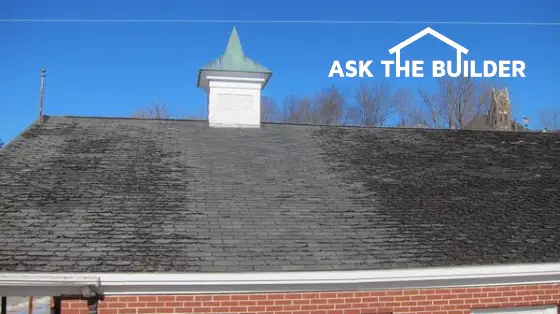
Post Office Roof
Imagine having your new asphalt shingle roof last for 40, 50 or more years. HOLY COW!

It’s all in my Roofing Ripoff book. If you’re going to be putting a new roof on soon, you really need to peruse it. Trust me, I guarantee you’ll be aghast at how you and millions of others were played.

But what do I know? I ate lunch sitting on overturned empty drywall mud buckets for 21+ years…

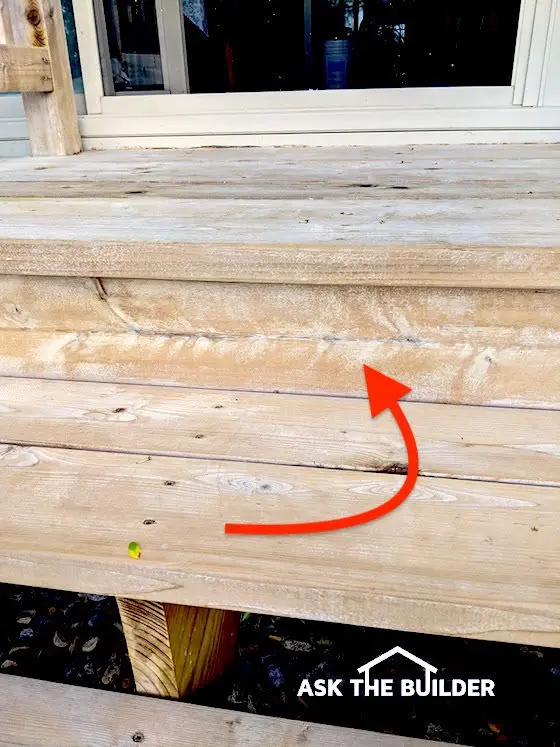
White Residue on Wood

Have you seen this residue on outdoor wood you’ve just cleaned?
white residue on cleaned wood

Do you know what it is, what causes it to appear, and how to get rid of it?

But most importantly, do you know how to make sure it NEVER COMES BACK AGAIN?

I know the answers to all those questions and more. Days ago, I decided to create a wonderful 2-page PDF file that will allow you to save all sorts of time and headaches in the future.

CLICK or TAP HERE to gain access to it.

FREE BIDS - Local Contractors

Man Shoveling
CLICK or TAP HERE to get FREE BIDS for any job inside or outside your home. You’ll get calls within an hour.

Easy Wood Fascia

Wall-mount doors are gaining in popularity. But some don’t want their home to look like a barn. Now realize, I’m not saying barns are bad!

What if you could find magic simple easy-to-install hardware like this to solve the conundrum? Look:
wood fascia brackets

CLICK or TAP HERE and then tell me what you think of this absolutely amazing invention.

While watching my latest video, you may note there appears to be a defect in the lens. For some reason, it’s not registering hair pixels on top of my head and in one scene it created some strange distortion of my upper torso. I’ve since sent the camera in for testing.

Common Sense Might Be Uncommon

About a week ago, I was watching TV and started to howl with laughter. It was a hokey huckster commercial selling this miracle product you can spray on the outside of your home to make algae and mildew disappear. I felt like I had stepped into a time machine and was standing next to a traveling snake-oil salesman’s wagon in a tiny dusty out-West town 150 years ago.

The name of the product is not important as you’ll immediately identify this commercial. If your vision is poor, you may not be able to discern that much of what you saw in the commercial was CGI - computer generated imagery. That’s what you see in many of the big-screen action movies.

In other words, what you’re seeing is FAKE. There’s lots of fake stuff out there inundating you and me each day. It’s your job to separate the wheat from the chaff. But I can help.

While trying to control my laughter, I was immediately reminded of a product that’s quite similar and has been on the market for years - Wet & Forget. Several months ago, I got an email from another home improvement website pounding their chest about how good the product is. I saved it for this newsletter.

Wet & Forget Email

This past week, I decided to dedicate my syndicated newspaper column, yes, it still runs in over 60+ papers in the USA, to the topic of how to best clean algae off siding.

I BEG YOU TO READ the column to understand why these miracle easy-to-use products don’t live up to their expectations. Peer at the product labels and my guess is you’ll discover both of these products probably contain a VERY TOXIC chemical you’d never ever ever want to spray on the outside of your home. I talk about this chemical in my latest column. CLICK or TAP HERE to read it.

I’ll leave you with this. When you see a website say that something is the BEST and then you discover it’s not, does that shake you to your core? It should. I recall the one script line in the first Spiderman movie:

With great power comes great responsibility.

Stop being played.

Stop consuming fake commercials, fake reviews, fake anything. Instead, start using your tiny gray cells and put all you are seeing and hearing to the smell test.

Who You Gonna Call?
ghostbusters logo fair use act

Bob Abel lives in hot and humid Florida. He reached out to me a few days ago with a question I get all the time. He was asking about a tankless water heater, but it could have been any product. You’ll immediately see how you could ask this question about hundreds of things:

“My wife and I will be building a home in Port St Lucie, FL. We are looking at installing a tankless water heater. The builder only installs these units on the outside of the home. I've heard that this might not be a good option because there is a history of these units "frying" in a hot-weather climate. Your thoughts?”

How might you answer this question?

Imagine you’re on a huge TV game show and you’re on stage in the game where you might win $1,000,000 if you can answer the following question:

Who do you think has the most authoritative answer to Bob’s question?

Tick tick tick tick tick - you only have 15 seconds to answer. Who is it?

Well, we know you’re not going to reach out to Bill Murray or Dan Aykroyd, right?

CLUE: Think product warranty!

The correct answer is the product manufacturer. You read the written installation instructions for each product you’re going to use to ensure it’s being installed correctly so as to not void the warranty.

There’s another nugget of information in Bob’s question. Did you pick up on it?

He said, “I’ve heard that….”

Heard it from whom? Are they an expert? Was it on some forum where clueless people babble on or speculate? Was it from some young contractor with a whopping six months total lifetime experience working with tankless water heaters?

Bottom Line: STOP being so trusting.

STOP TRUSTING everything you hear or see. Question everything for goodness sake.

Each week, I do countless autopsies on horrible homeowner problems where the ROOT CAUSE of the problem is the homeowner TRUSTED the contractor or the person wearing an apron at a big box store.

Please, STOP DOING THIS.

Use your tiny gray cells and shift them into critical-thinking gear.

Invest the time and read the written instructions from the manufacturer. If they’re not clear, then I can help you for goodness sake. I’m happy to call you on the phone.

That’s quite enough for a HOT Sunday in June.

Tim Carter
Founder - www.AsktheBuilder.com
Certified Organic Cleaner - www.StainSolver.com
DX Fun - www.W3ATB.com

Do It Right, Not Over!

P.S. What’s the best exterior house paint? What's the resin or GLUE component of the paint that’s the best? Do you know? Should you know? CLICK or TAP HERE to discover if you were right.

Clean Algae Off Siding

Clean Algae Off Siding

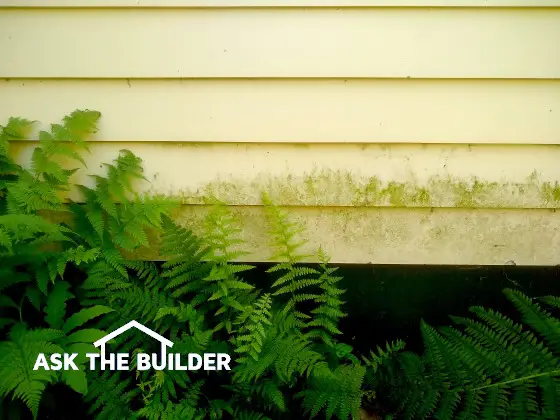
Clean Algae Off Siding | This is typical green algae on fiber cement siding. Liquid soap and Stain Solver will make the siding look like new.

Clean Algae Off Siding - Liquid Soap and Oxygen Bleach

Not a week goes by that I don’t get a question about cleaning this or that. These questions flow through the Ask Tim page on my www.AsktheBuilder.com website. As it turns out, I happen to know lots about cleaning things.

I attribute much of this to the formative years I spent working at Skyline Chili in Cincinnati, Ohio. I worked there after school during high school and most of college. I became an expert string mopper. You wouldn’t think there’s an art to moping a floor, but trust me, there is. I found out the best way to get grease off surfaces. I also washed tens of thousands of dishes, polished chrome, and discovered the magic way to get windows crystal clear.

How Do You Clean Algae?

This time of year, though, I get inundated with requests about how to clean algae from every conceivable outdoor surface. It might be green or black algae. It might be simple mildew.

Let’s start with why the algae thrive. My college major is geology, not biology, but I can tell you the algae need food and it needs water. Dust, aerosol tree sugars, biomass from soil splash, etc. are all foods that can collect on horizontal and vertical outdoor surfaces. If you deprive the algae of food, it can't grow. It's impossible to stop the water component because humidity, rain, morning dew, etc. are all beyond your control.

When Should I Clean The Algae?

It’s not much different than you and me. Knowing this, you can prevent algae growth by keeping the surfaces clean that you want to look great. Just as you probably shower each day to prevent body odor, it’s wise to wash outdoor surfaces on a regular basis. Once they start to look a little dingy or you see a very light haze of algae starting to take hold, it’s time to take action.

Should I Use a Pressure Washer?

Here’s what not to do, in my opinion. Do NOT use a pressure washer. These machines generate such high pressure that they can peel the paint off wood, they can actually erode wood fibers, and they can squirt water behind the exterior surfaces of your home where water should not be.

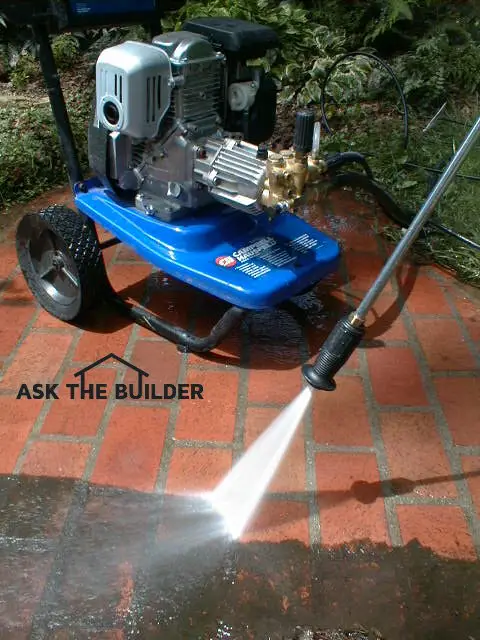
pressure washer

What is the Biggest Mistake Made Using a Pressure Washer?

The biggest mistake I see homeowners and pros make is they aim the wand up. In other words, they stand on the ground or a ladder and try to clean surfaces above their head.

I’ve got news for you. The way we build homes is we count on water coming down from the sky, not blowing up from below! Lap siding, flashings, etc. are all designed to shed water that is flowing towards the center of the earth, not shooting to outer space for goodness sake.

What Can Go Wrong Cleaning Vinyl Siding Using a Pressure Washer?

If you clean vinyl siding with a pressure washer, you might be forcing gallons of water behind it when you get next to a vertical seam in the siding, at a corner post, or next to a window or door. If you aim the water stream the wrong way towards the overlap or the trim pieces, the water can easily be blown behind the siding.

What is the Best Algae Cleaning Solution?

I’ve had fantastic success cleaning algae from just about every outdoor surface using liquid dish soap. I also like to use Stain Solver, a certified organic oxygen bleach. I also employ my favorite exterior cleaning brush. This brush is one that’s made to clean RVs. It’s got lots of bristles that are about 2.5 inches long and they’re soft. They won’t scratch automotive paint, so it’s safe to use it on your house siding, windows, and every other surface. I’d use a normal scrub brush with aggressive bristles to clean algae from any masonry surface either vertical or horizontal.

Should I Use Chlorine Bleach to Clean Off Algae?

Whatever you do, do NOT use chlorine bleach in your cleaning solution. Do not use any product that contains chlorine bleach. You can identify this by looking for its chemical name on the label: sodium hypochlorite. Chlorine bleach is toxic to all of the plants, trees, flowers, etc. around your home you want to keep safe.

I witnessed my neighbor years ago slowly poison a stunning tall maple tree. Each spring she’d pour gallons of chlorine bleach on her patio to clean off the algae. The tree shaded the patio and all the roots were under the patio stones. I warned her about this, but she treated me like I was a dolt. Oh well, the tree eventually died and she had it cut down.

Are the Easy Spray-On Cleaners Good?

I’d also caution you about purchasing these miracle products that say you just spray them on and walk away. I did a survey in my free AsktheBuilder newsletter about these products and the overwhelming response was that they’re worthless.

Common sense tells you these miracle products are too good to be true. Think about it. The way you get surfaces clean is you must mechanically agitate the surface to break the bonds of the dirt and algae.

How Do You Get Things Clean?

Here’s an example. Assume you’re filthy and sweaty. If you just jump in the shower and let the warm water cascade over you while you stood perfectly still, you’d come out of the shower dirty. Imagine what the towel would look like! You get clean because you use your hands with soap and rub your skin, then you rinse off the dirt.

The same is true when cleaning clothes. Imagine taking a load of dirty clothes and putting them in a giant stainless steel tub. Add water and soap and just let them soak for three days. Empty the water. Look at the clothes. They’ll still be dirty. Clothes get clean in your washing machine because the machine agitates them. The clothes rub against one another and this removes the dirt with the help of the soap.

Cleaning algae is easy. Just use common sense, soap, water, and the right brush!

Column 1409

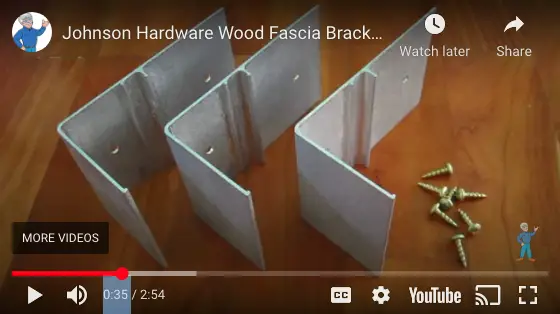
Johnson Hardware Wood Fascia Brackets

Johnson Hardware Wood Fascia Brackets

Hi, I'm Tim Carter, AsktheBuilder.com. Wall mount sliding doors are very popular. I happen to have a set in my own home. My son loves the exposed hardware but my wife, well, she prefers to have it hidden behind a sleek fascia board. My wife asked me to install a painted fascia board that matches the painted woodwork in the room. With Johnson Hardware's new Wood Fascia Brackets, I can have a happy wife and happy life!

The wood fascia brackets are ingenious and easy to work with. Once you attach the L-brackets to your fascia material, they simply snap into place on the Johnson Hardware wall-mount door hardware.

CLICK or TAP HERE to get FREE BIDS from local carpenters that can install the fascia.

The best part is you can create just about any look or design you want. You can have a painted fascia board that matches the painted woodwork in the room.

I feel it's a good idea to paint the fascia board before you install it. It's also a good idea to finish both sides and all edges of the fascia board.

You may want to have a stained fascia. I recommend staining the wood first and apply any clear finish before you attach the fascia brackets.

These wonderful fascia brackets can be attached to any wood, aluminum, or vinyl fascia.

CLICK or TAP HERE to purchase the wood fascia bracket set.

The wood fascia brackets attach to the wood with small screws that are included with the brackets. Take accurate measurements so the brackets align with the large aluminum suspension hardware that holds up the wall mount door track. Align the top of the short leg of the L-bracket with the top of the fascia board.

Once the brackets are attached to the fascia, tilt the bottom of the fascia board in towards the wall and engage the wall-mount hardware. Then rotate the top of the fascia towards the wall until the top of the bracket snaps into place. It's so easy!

I love how we're able to cover our wall mount door hardware with a simple custom-made fascia that transformed this space. Johnson Hardware has hit a home run with the wood fascia brackets in my opinion. Order yours now! I'm Tim Carter, AsktheBuilder.com.

This column was featured in the June 13, 2021 AsktheBuilder Newsletter.

June 6, 2021 AsktheBuilder Newsletter

Greetings! I’m sure glad you’re here! You just might be my newest subscriber. This is where I lay out the Welcome Mat for you and everyone else who became part of my virtual family in the past week.

You, though, might have been around here for so long you remember those amazing interior retractable window SCREENS I installed in my last house.
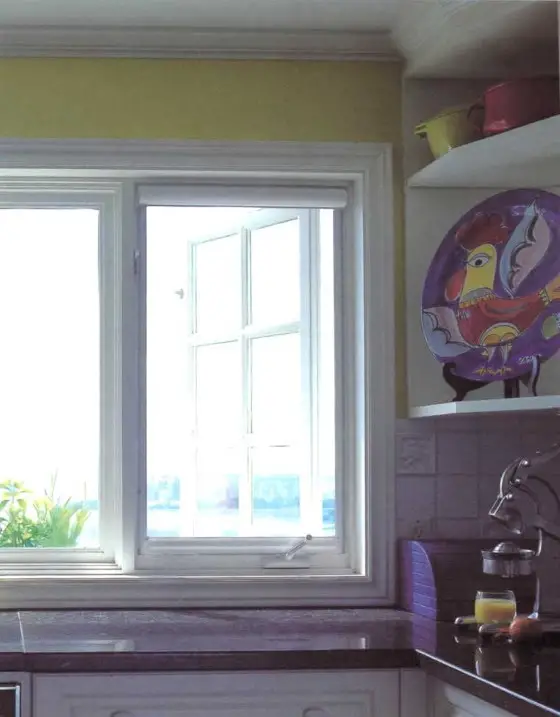
window in kitchen with screen

Who wants to futz around with those awkward giant screens that tumble out of the frames, etc. and BLOCK your view if you don’t take them out in the winter?

Come spring you have to put them back in the frames possibly tearing the screening and raising the stress level in your home.

CLICK or TAP HERE and behold an excellent solution to window screen issues!

Father’s Day Loot

Father’s Day is in two weeks. Do you need an idea for a gift that will be truly appreciated? Look no further than the following pages on my website:

Mechanix Durahide and Material 4X Gloves - WOWZA!

Coast PX20 Dual-COLOR Flashlight

Cool WATERPROOF Electric ARC Lighter - Life-Saving Gift!

Travel Chess Set for Dad on a Park Bench

Klein Thermal Imager!!!! STOP Energy Waste

FREE BIDS - Local Contractors

Man Shoveling

CLICK or TAP HERE or Mr. Shovel Boy above to get FREE BIDS for any job inside or outside your home. You’ll get calls within an hour. Have you noticed how Shovel Boy never tires? That was me when I was 23. Not so much now!

Lazy Days of Summer

Now that summer has unofficially arrived as of last Monday, I normally back way off on the content in these newsletters.

Why?

I want to be outdoors enjoying the wonderful summer weather here in the northern Hemisphere. I’m lucky enough to live in central New Hampshire where people from all over the world come to vacation. Look for yourself at what they get to see.

The first photo is looking south from Cannon Mountain. The second photo is a typical lake scene here in central New Hampshire.

 tim carter pointing to happiness

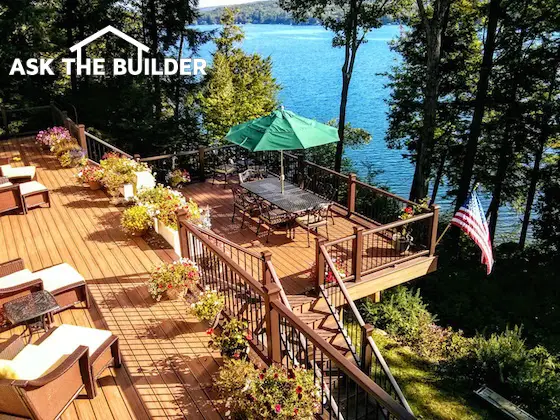
deck overlooking lake winnisquam, nh

My guess is you want to spend more time recreating outdoors instead of stuffing home improvement tips into your tiny gray cells!

Look below to see one of my favorite outdoor summer and fall activities.

tim carter and dave benson
I’ve become very active again in outdoor radio now that the snow and black flies are gone. I go to different state parks and state forests here in New Hampshire. Once there, I set up my small radio that allows me to communicate with other radio operators using Morse code.

This radio transmits using the same amount of energy the night light in your bathroom consumes. Can you believe a radio signal only needs that tiny amount of energy to travel thousands of miles?

I’ve participated in The Parks on the Air activity since it started in 2017. In the past two years, it’s surpassed critical mass. There are thousands of operators active in the program and when I go out to operate, I can almost be assured of making 20 or 30 contacts in just 30 minutes.

It’s scads of fun and more so if you have friends tag along or conscript someone who's willing to log for you. Afterwards, we almost always hunt for a purveyor of flavored frozen milk and cream.

CLICK or TAP HERE to read about my latest adventure earlier this past week. You’ll get to see a short video of a radio pileup.

What’s that? Think of a grade school classroom where half the room is trying to show the teacher how smart they are. Look in the right column, once you're at my radio blog for a list of other recent adventures.

Plumbing Plans & Plumbing Phone Coaching

Lately, I’ve been getting an increasing number of orders from folks who are in need of a plumbing permit. I’ve been a master plumber since 1981.

I’m one of the few people, maybe the only one online, who will draw the much-needed isometric drawing you need to get your permit. CLICK or TAP HERE to see what services I offer. You’ll see I do gas-line drawings as well as those to properly size water lines.

Yesterday, I helped Guy in TN size his water line that extends from a 3/4-inch meter 1000 feet to feed two houses. What size do you think that pipe needs to be? I can help you with that answer and it’s bigger than you think. The issue is two different situations might require two different pipe sizes. It’s all about elevation.

Moments ago while creating this newsletter, I called Joseph out in San Diego, CA. He’s an architect who’s installing a very trendy small bathroom in part of an unused garage.

Joe's dealing with a difficult situation with a drain pipe that's only 12 inches under the slab twenty feet away. I told him over the phone how he can legally flat-vent the drain pipes so he doesn’t have to raise the floor. Joseph was quite happy to hear this news!

Bottom Line: I do a BOATLOAD of phone consults about plumbing and any other issue with your home.

That’s enough for a Sunday. Have a great week working on your tan.

Thanks to all who responded to last week’s Memorial Day newsletter by sharing your stories of valor and your own hopes to preserve the Republic. We surely don’t want to waste those hundreds of thousands of gallons of blood that have been shed to defend the US Constitution.

Tim Carter
Founder - www.AsktheBuilder.com
Get CLEAN - www.StainSolver.com
Cookie Crumble Contest Today: www.W3ATB.com

Do It Right, Not Over!

P.S. Do you know the right way to install new blacktop? I’m talking about making sure the edges don’t crack off. CLICK or TAP HERE to see if you know what to do.